
 한국어
한국어 English
 日本語
日本語 中文(简体)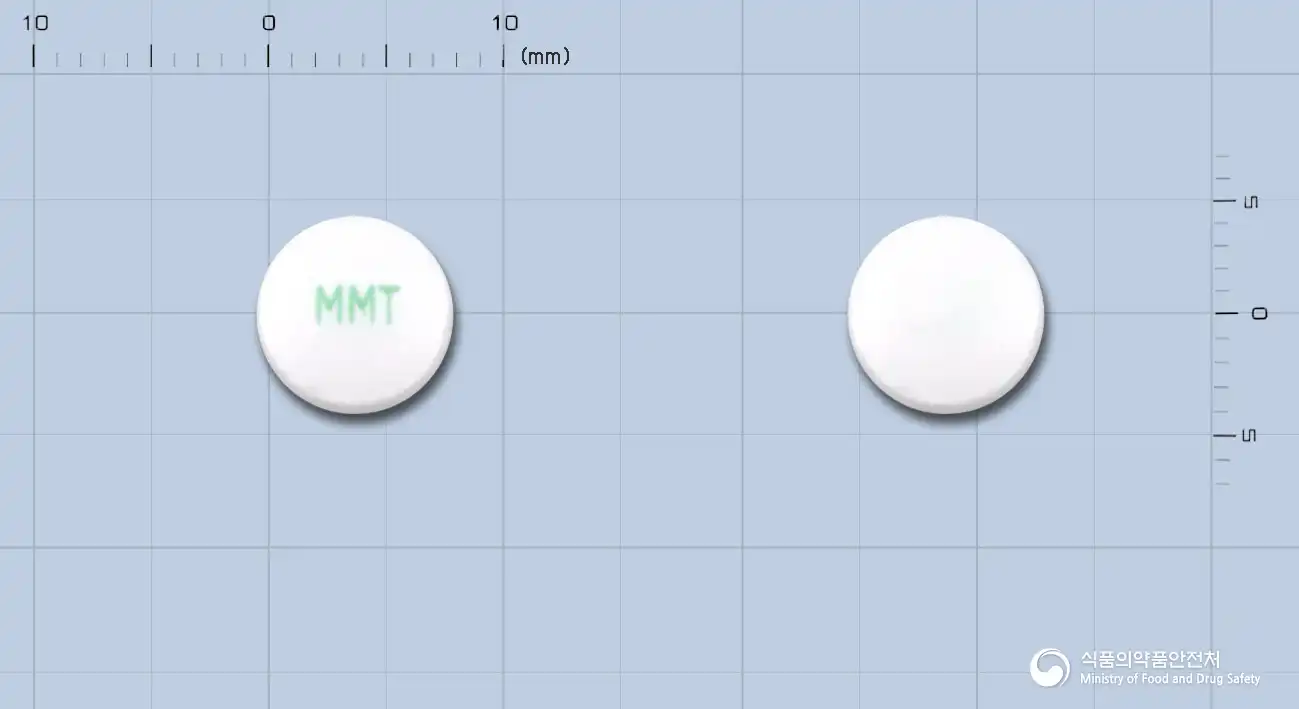
Summary
- Main use
- Prevention and treatment effects for osteoporosis
- Who takes it
- Adults
- Adult dose
- Take 1 tablet once a day in the morning at least 30 minutes before eating or drinking, with a sufficient amount of water (170-230 milliliters). Other beverages or foods containing mineral water may decrease the absorption of alendronate. Also, simultaneous intake within 30 minutes may reduce absorption in the body and decrease effectiveness.
Ingredients
- Manufacturer
- (주)유유제약
Efficacy & effects
Prevention and treatment effects for osteoporosis
- Osteoporosis
View approved original textHide original text
This medication is used for osteoporosis, which is a condition where bones are weakened and at higher risk of fracture.
How to take
Adult dose
Take 1 tablet once a day in the morning at least 30 minutes before eating or drinking, with a sufficient amount of water (170-230 milliliters). Other beverages or foods containing mineral water may decrease the absorption of alendronate. Also, simultaneous intake within 30 minutes may reduce absorption in the body and decrease effectiveness.
Precautions
This medication contains sodium alendronate, which can irritate the gastrointestinal mucosa. Caution is required as esophagitis, esophageal ulcers, and esophageal erosion may occur during use. After taking, it is important to swallow with a sufficient amount of water while sitting or standing, and it is crucial not to lie down immediately after taking it. If symptoms such as difficulty swallowing, pain while swallowing, pain behind the sternum, or heartburn occur, stop taking it immediately and consult a doctor. This medication should not be administered to patients with esophageal discharge disorders such as esophageal stricture or achalasia, those who are hypersensitive to sodium alendronate or calcitriol, patients with hypocalcemia, or patients with diseases related to hypercalcemia. Caution must be taken concerning interactions with food or other medications during use, especially calcium supplements or antacids that may inhibit the absorption of this medication, so take them at least 30 minutes apart. Additionally, this medication may cause musculoskeletal adverse reactions such as bone, joint, and muscle pain, and rarely, severe pain may make it difficult to perform activities, so inform a doctor if symptoms occur. Due to the calcitriol component, symptoms of hypercalcemia may appear, so dietary control and attention to calcium intake are important; regular testing of serum calcium levels should be conducted. If pregnant or breastfeeding, caution in the use of this medication is warranted as it may affect the fetus or infant, and should be used after consultation with a doctor. Elderly or patients with decreased kidney function require special attention when taking this medication, and it is not recommended for patients with severely impaired kidney function. Patients undergoing invasive procedures such as dental surgery are at risk for osteonecrosis of the jaw and should inform their healthcare providers to establish a management plan. In the case of overdose, hypocalcemia, gastrointestinal disturbances, and other issues may occur, requiring immediate medical attention for proper treatment. This medication should be stored out of reach of children and should not be transferred to another container for safety.
Side effects and when to seek care immediately
Serious side effects
Hives, severe swelling (edema), chest tightness, difficulty breathing, cold sweat, pallor, severe rash with high fever, blisters, skin peeling, pain in oral/ocular mucosa, shortness of breath or difficulty breathing, asthma attacks, respiratory distress accompanied by cough and fever, yellowing of skin or eyes (jaundice), extreme fatigue, sudden and very severe headache, thunderclap headache, seizures, confusion, visual disturbances, paralysis, urination
Mild side effects
- Abdominal pain
- nausea
- dyspepsia
- diarrhea
- constipation
- vomiting
- musculoskeletal pain
- myalgia
- back pain
- cystitis
Show 29 moreCollapse
- difficulty urinating
- conjunctivitis
- itching
- rash
- increased sputum
- cough
- rhinitis
- pharyngitis
- palpitations
- insomnia
- depression
- dizziness
- pain
- headache
- chest pain
- flatulence
- acid reflux
- esophagitis
- esophageal erosion
- esophageal ulcers
- difficulty swallowing
- abdominal distension
- gastritis
- gastric ulcers
- muscle cramps
- taste disturbances
- dizziness
- black stools
- epigastric discomfort
Not everyone experiences these, and they can vary from person to person.
Storage
This medication should be stored in a tightly sealed container to protect it from air and moisture. It is important to maintain a storage temperature between 1 and 30 degrees Celsius at room temperature.
Appearance and packaging
Appearance
White round enteric-coated tablets
Package unit
30 tablets (10 tablets/PTPX3), 100 tablets/bottle
Questions about this medicine
No questions yet.
For anything that needs medical judgment, consult a doctor or pharmacist.