
 한국어
 English
 日本語
 中文(简体)
Dosage form image
Viewing nowTiram Injection (Tiropramide Hydrochloride)
Tiropramide Hydrochloride 16.67mg
Injections · Prescription medication
Shinpoong Pharmaceutical Co., Ltd.
MFDS item code 200000021 · Notified 2000.04.14 · Insurance code 648503791
Relief of abdominal cramps and pain (cholelithiasis, etc.) and acute spasmodic abdominal pain (abdominal colic, etc.)
This medication is used for various conditions associated with acute spastic abdominal pain. For example, it helps relieve pain caused by spasms of the liver and bile ducts, abdominal pain from various causes, and pain occurring in the kidneys or ureters. It is also effective for abdominal cramps and pain resulting from gastrointestinal motility disorders, pain due to cholelithiasis and cholecystitis, and discomfort caused by adhesions that may occur post-surgery. It is used to improve a wide range of abdominal pain and cramping symptoms.
Adults: Administer 50mg (3ml) of tiropamide hydrochloride per dose by intramuscular or intravenous injection. A repeat dose may be administered after 1 hour if necessary. Adjust the dose appropriately according to age and symptoms.
This medication should not be used in patients with gastrointestinal obstruction, abnormally distended intestines, or severe liver dysfunction. Patients with allergic reactions to this medication should also not be administered this drug. For patients with glaucoma or benign prostatic hyperplasia, this medication does not act directly as an anticholinergic, but it should be used with caution. When using this medication, side effects such as dry mouth, nausea, vomiting, and constipation may occur, so caution is advised. Additionally, if allergic symptoms such as itching or skin rash occur, use should be discontinued immediately. Patients taking antihypertensive medications should be careful as excessive use of this drug may lower blood pressure too much. For pregnant women, while no significant issues have been found in animal studies, it should only be used under the supervision of a physician when absolutely necessary. When administering intravenously to patients with low blood pressure, it should be injected slowly for safety. Finally, care must be taken when opening this medication's ampoule as glass fragments may be mixed in, especially when used by children or the elderly, to prevent glass from entering.
Not everyone experiences these, and they can vary from person to person.
This medication is sensitive to light and should be stored in a container that does not allow light in. Additionally, the medication should be stored at room temperature, maintaining a temperature between 1 degree and 30 degrees Celsius. This helps to maintain the medication's effectiveness for a longer period.
Injection in a brown ampoule containing a colorless, transparent liquid
3 milliliters/ampoule x 50
Even with the same ingredient, strength, dosage form and how it is taken can differ.
Tiropramide Hydrochloride 16.67mg
Injections · Prescription medication
Shinpoong Pharmaceutical Co., Ltd.
Tiropramide Hydrochloride 50mg
Injections · Prescription medication
Daewoong Pharmaceutical Co., Ltd.

Tiropramide Hydrochloride 100mg
Tablet · Prescription medication
Daewoong Pharmaceutical Co., Ltd.
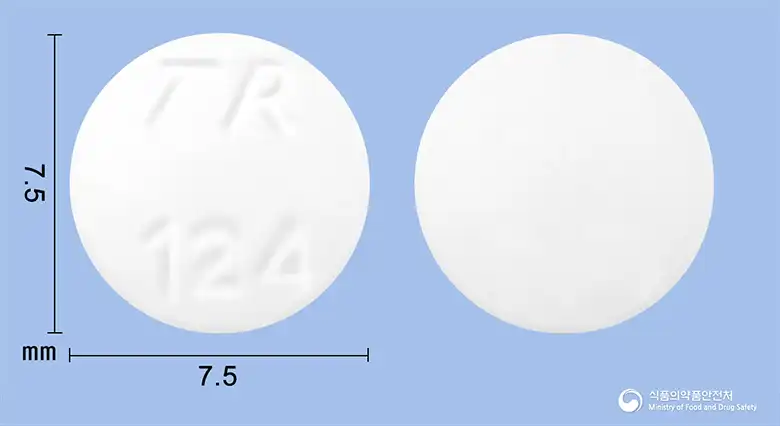
Tiropramide Hydrochloride 100mg
Tablet · Prescription medication
Kyungdong Pharmaceutical Co., Ltd.
Tiropramide Hydrochloride 50mg
Prescription medication
Kyung Dong Pharmaceutical Co., Ltd.
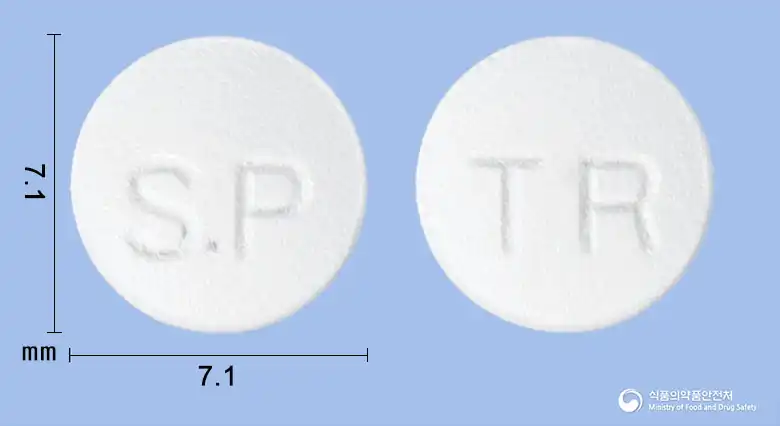
Tiropramide Hydrochloride 100mg
Tablet · Prescription medication
Sinpoong Pharmaceutical Co., Ltd.
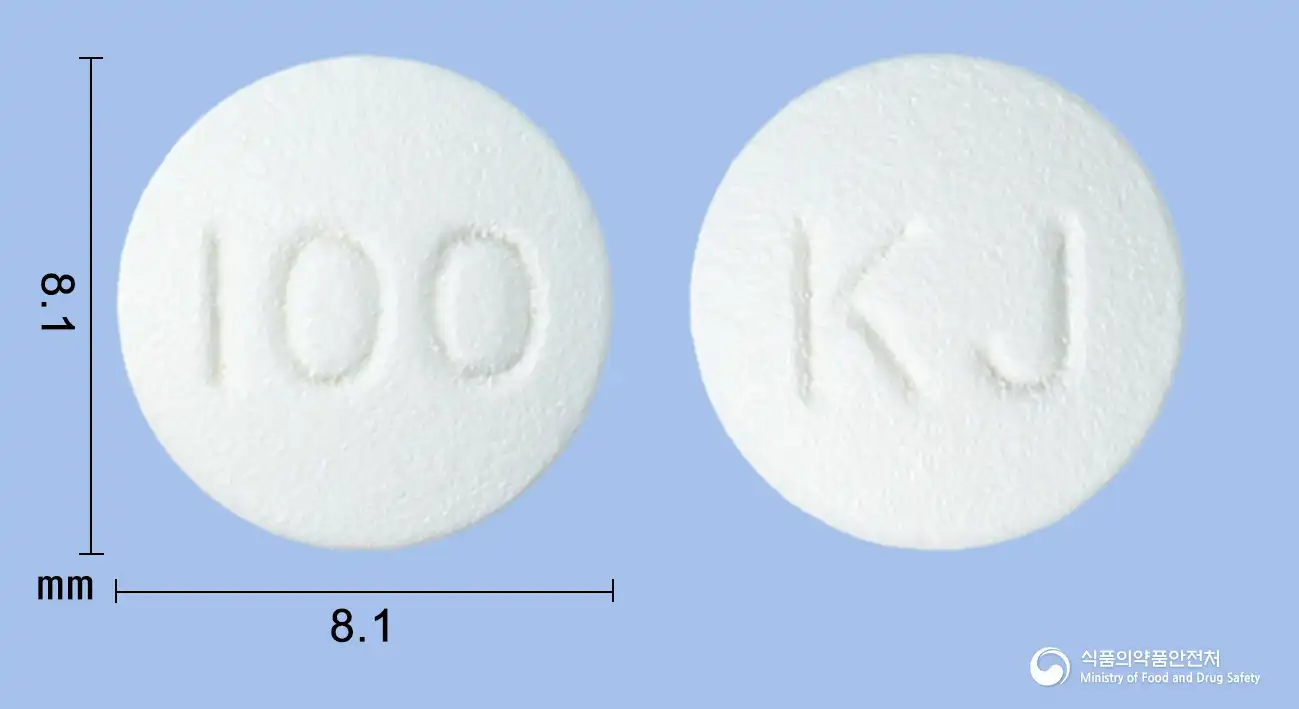
Tiropramide Hydrochloride 100mg
Tablet · Prescription medication
International Pharmaceutical Co., Ltd.
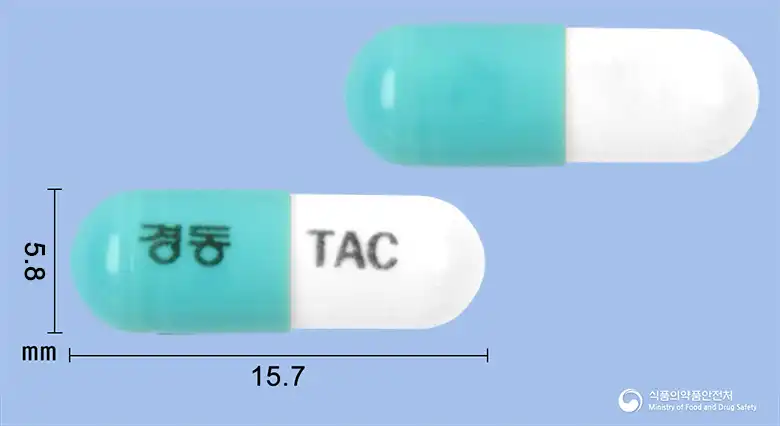
Tiropramide Hydrochloride 100mg
Hard capsule · Prescription medication
Kyungdong Pharmaceutical Co., Ltd.
Even with the same ingredient, the dose and directions can differ by strength and dosage form. Talk to a doctor or pharmacist before switching from a medication you are already taking.
No questions yet.
For anything that needs medical judgment, consult a doctor or pharmacist.
This drug information is based on data provided by the Korea Ministry of Food and Drug Safety.
Consult a doctor or pharmacist for accurate dosage, administration, and usage instructions.