
 한국어
 English
 日本語
 中文(简体)
 Viewing now
Lansone Capsule (Lansoprazole Granules)
Lansoprazole Granules 370mg
Hard capsule · Prescription medication
Cheil Pharmaceutical Co., Ltd.
MFDS item code 199907311 · Approved 1999.12.30 · Insurance code 645400190
Treatment and prevention of ulcers and Helicobacter pylori infection, gastroesophageal reflux disease, and pathological gastric acid hypersecretion
This medication is used for the short-term treatment of active duodenal ulcers and active gastric ulcers. It is also effective in preventing the recurrence of duodenal ulcers through eradication of Helicobacter pylori and as maintenance therapy after treatment. It helps in the treatment of gastric ulcers caused by the use of non-steroidal anti-inflammatory drugs (NSAIDs) and reduces the risk of occurrence. It is also used for the short-term treatment and maintenance therapy for gastroesophageal reflux disease and erosive esophagitis. Lastly, it is used to treat pathological hypersecretion states such as Zollinger-Ellison syndrome. Overall, it is used for the treatment and prevention of various gastrointestinal disorders.
This medicine should be taken before meals. For patients who have difficulty swallowing the medicine, open the capsule, mix its contents with a small amount (60 mL) of orange juice or tomato juice, and administer immediately. To ensure that the entire dose is taken, rinse the glass with twice as much juice or more and drink immediately. Do not chew or crush the contents after opening the capsule. 1. Short-term treatment of active duodenal ulcers: Administer lansoprazole 15 mg orally once daily for 4 weeks. 2. Short-term treatment of active benign gastric ulcers: Administer lansoprazole 30 mg orally once daily for 8 weeks. 3. Eradication of Helicobacter pylori to prevent recurrence of duodenal ulcers 1) Administer lansoprazole 30 mg with clarithromycin 250 ∼ 500 mg and amoxicillin 1,000 mg twice daily (every 12 hours) for 7 days. Treatment may be continued for up to 14 days if needed. 2) Administer lansoprazole 30 mg with amoxicillin 1,000 mg three times daily (every 8 hours) for 14 days. 4. Maintenance therapy after treatment of duodenal ulcers: Administer lansoprazole 15 mg orally once daily. The comparative clinical trials did not exceed 12 months. 5. Treatment of NSAID-induced gastric ulcers: Administer lansoprazole 30 mg orally once daily for 8 weeks. The comparative clinical trials did not exceed 8 weeks. 6. Reduction of the risk of NSAID-induced gastric ulcers: Administer lansoprazole 15 mg orally once daily for 12 weeks. The comparative clinical trials did not exceed 12 weeks. 7. Short-term treatment of symptoms associated with gastroesophageal reflux disease Administer lansoprazole 15 mg orally once daily for 8 weeks. 8. Short-term treatment of erosive reflux esophagitis: Administer lansoprazole 30 mg orally once daily for 8 weeks. 9. Maintenance therapy after treatment of erosive reflux esophagitis: Administer lansoprazole 15 mg orally once daily. 10. Pathological hypersecretory conditions, including Zollinger-Ellison syndrome The dosage of lansoprazole for pathological hypersecretory conditions varies by patient. Treatment is usually initiated in adults at 60 mg once daily. The dose should be adjusted according to the patient's needs and may be continued for as long as it is clinically effective. Doses of 90 mg per administration up to twice daily have been used. If more than 120 mg is administered per day, the dose should be divided. Since clearance of this medicine is reduced in elderly patients, dose adjustment is required. Do not exceed a daily dose of 30 mg. Use with caution, including dose adjustment, in patients with hepatic impairment, since metabolism and excretion of this medicine may be delayed.
Children and adolescents aged 12 ∼ 17 years — Short-term treatment of symptoms associated with non-erosive gastroesophageal reflux disease: 15 mg once daily for 8 weeks Children and adolescents aged 12 ∼ 17 years — Short-term treatment of erosive reflux esophagitis: 30 mg once daily for 8 weeks Children aged 1 ∼ 11 years, 30 kg or less — Short-term treatment of symptoms associated with gastroesophageal reflux disease and erosive reflux esophagitis: 15 mg once daily for 12 weeks Children aged 1 ∼ 11 years, over 30 kg — Short-term treatment of symptoms associated with gastroesophageal reflux disease and erosive reflux esophagitis: 30 mg once daily for 12 weeks
This medication should not be used by patients who have a known allergy to any of its components or have experienced hypersensitivity to similar drugs in the past. Pregnant or breastfeeding women should avoid taking this medication for safety reasons. Patients with impaired liver function or elderly patients should use this medication with caution, and dosage adjustments may be necessary. If severe allergic reactions or symptoms such as skin rashes, difficulty breathing occur during treatment, discontinue use immediately and consult a healthcare professional. Long-term use may lead to nutritional deficiencies such as vitamin B12 deficiency or hypomagnesemia, requiring regular monitoring. This medication suppresses gastric acid secretion, which may increase the risk of certain bacterial infections; thus, patients should inform healthcare professionals if diarrhea or abdominal pain persists. As there may be interactions with other medications, it is essential to inform healthcare professionals of any other medications currently in use. Care should be taken when used with HIV medications, antibiotics, anticoagulants, and some drugs should not be co-administered. The safety of this medication in children has not been sufficiently established, so use should be cautious and follow expert guidance when necessary. In case of overdose, there is no specific antidote, so the patient should visit the hospital immediately for appropriate treatment. Store this medication in a place out of reach of children and maintain its original packaging condition.
Anaphylaxis, anaphylactic shock, angioedema, bronchospasm, acute interstitial nephritis, urticaria, generalized rash, facial edema, dyspnea, shock, pancytopenia, agranulocytosis, hemolytic anemia, granulocytopenia, thrombocytopenia, anemia, jaundice, elevated AST, elevated ALT, toxic liver dysfunction, toxic epidermal necrolysis, Stevens-Johnson syndrome, DRESS syndrome, interstitial pneumonia, fever, cough, abnormal lung sounds, interstitial nephritis, acute renal failure, membranous colitis, hematochezia, abdominal pain, frequent diarrhea, headache, diarrhea, abdominal distension, allergic reaction, back pain, weakness, candidiasis, neoplasm, chills, chest pain, edema, fever, flu-like symptoms, halitosis, infection, malaise, neck stiffness, pelvic pain, angina pectoris, arrhythmia, bradycardia, tachycardia, cerebrovascular accident, cerebral infarction, hypertension, hypotension, migraine, myocardial infarction, palpitations, vasodilation, syncope, asthma, bronchitis, increased cough, epistaxis, hemoptysis, hiccups, pneumonia, upper respiratory infection, laryngeal tumor, pulmonary fibrosis, pharyngitis, pleural disorder, respiratory disorder, rhinitis, sinusitis, wheezing, acne, hair loss, pruritus, rash, urticaria, contact dermatitis, dry skin, nail disorders, skin cancer, skin disease, sweating, abnormal vision, amblyopia, blepharitis, cataract, conjunctivitis, dry eye, ear disorders, eye disorders, glaucoma, olfactory disturbance, photophobia, retinal degeneration, taste loss, blurred vision, deafness, ocular pain, otitis media, taste distortion, tinnitus, visual field constriction, urinary disorders, renal pain, penile disorders, testicular disorders, urethral pain, polyuria, frequency of urination, urinary retention, menstrual irregularities, chest tenderness, chest expansion, gynecomastia, diabetes, hematuria, erectile dysfunction, nephrolithiasis, abdominal pain, hepatotoxicity, vomiting, pancreatitis, taste abnormalities, aplastic anemia, leukopenia, thrombotic thrombocytopenic purpura, eosinophilia, hypomagnesemia, Clostridium difficile associated diarrhea, fracture, myositis, erythema multiforme, speech disorder, urinary retention, elevated AST, elevated ALP, elevated LDH, elevated γ-GTP, weakness, hyponatremia, increased total cholesterol, decreased total cholesterol, tongue paralysis, lip paralysis, limb paralysis, constipation, dizziness, abdominal pain, drowsiness, insomnia, paralysis, depressed mood
Not everyone experiences these, and they can vary from person to person.
This medication may be sensitive to air or moisture, so it should be stored in a tightly sealed container. The recommended storage temperature is room temperature between 1 to 30 degrees Celsius. This will help maintain the effectiveness of the medication for a longer time.
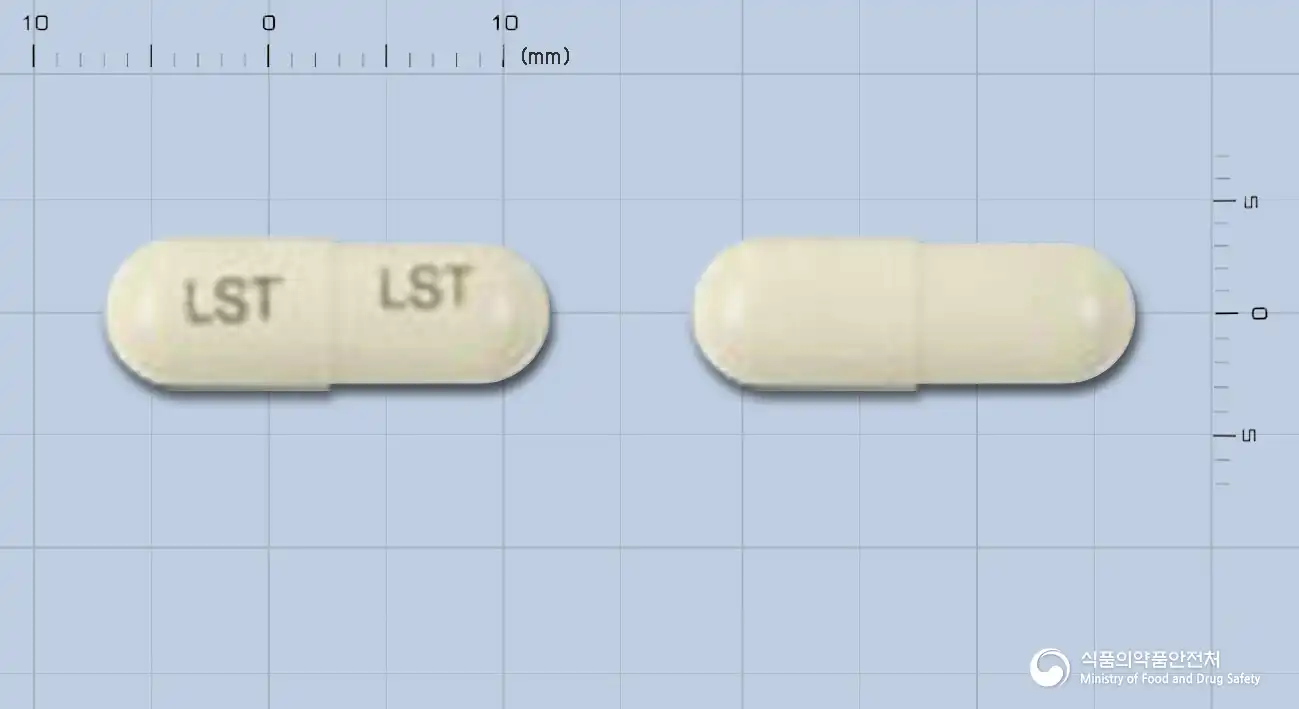
This medicine is a hard capsule filled with white granules that are white to light brown in color.
28 capsules (7 capsules/PTP x 4)
Even with the same ingredient, strength, dosage form and how it is taken can differ.
Viewing nowLansoprazole Granules 370mg
Hard capsule · Prescription medication
Cheil Pharmaceutical Co., Ltd.
Lansoprazole Granules 353mg
Hard capsule · Prescription medication
International Pharmaceutical Co., Ltd.
Lansoprazole Granules 185mg
Hard capsule · Prescription medication
Jeil Pharmaceutical Co., Ltd.
Lansoprazole Granules 353mg
Hard capsule · Prescription medication
PharmGen Science Co., Ltd.
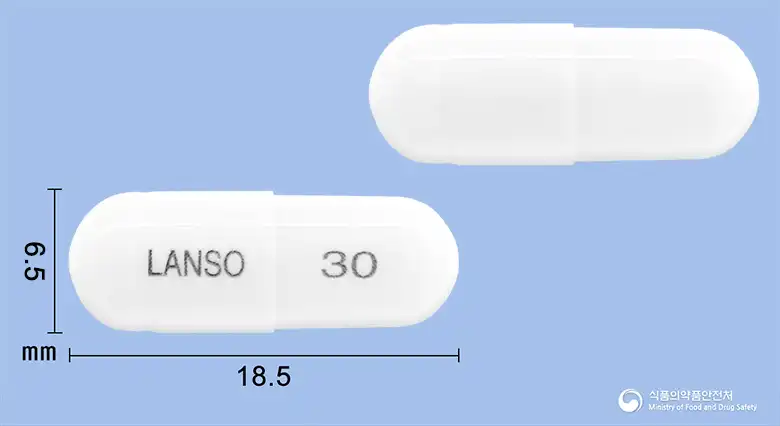
Lansoprazole Granules 353mg
Hard capsule · Prescription medication
Unimed Pharmaceutical Co., Ltd.
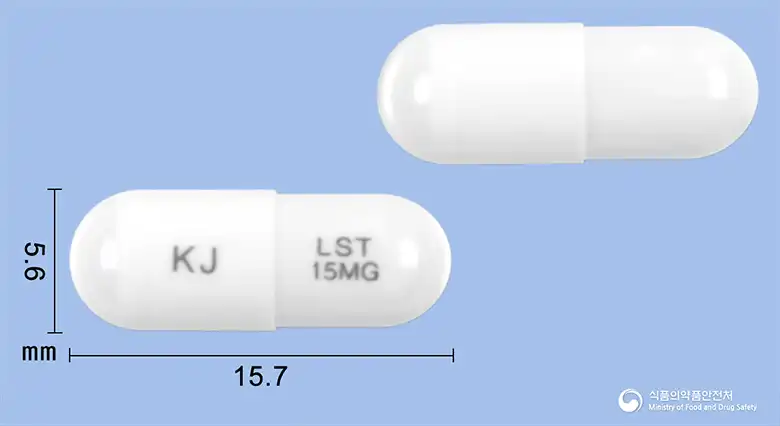
Lansoprazole Granules 176.5mg
Hard capsule · Prescription medication
Kukje Pharmaceutical Co., Ltd.
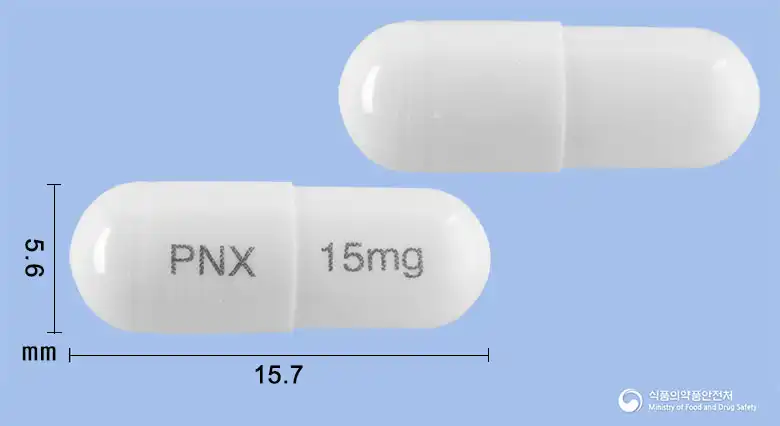
Lansoprazole Granules 176.5mg
Hard capsule · Prescription medication
Korea PMG Pharmaceuticals Co., Ltd.
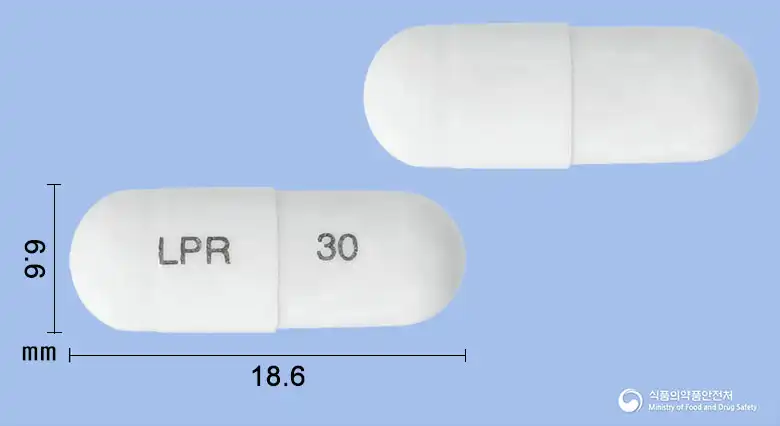
Lansoprazole Granules 353mg
Hard capsule · Prescription medication
Daewoong Bio Co., Ltd.
Even with the same ingredient, the dose and directions can differ by strength and dosage form. Talk to a doctor or pharmacist before switching from a medication you are already taking.
No questions yet.
For anything that needs medical judgment, consult a doctor or pharmacist.
This drug information is based on data provided by the Korea Ministry of Food and Drug Safety.
Consult a doctor or pharmacist for accurate dosage, administration, and usage instructions.