
 한국어
 English
 日本語
 中文(简体)
Summary
- Main use
- Partial replacement therapy for adrenocortical insufficiency and salt-losing adrenogenital syndrome
- Who takes it
- Adults
- Adult dose
- The dosage should be determined according to the severity of the disease and the patient's response. The patient should be monitored continuously, as dosage adjustment is essential if there are signs such as improvement or worsening of the disease or stress (surgery, infection, trauma). 1. Addison's disease: This medicine should be used in combination with a glucocorticoid such as hydrocortisone or cortisone to normalize adrenal function as replacement therapy while minimizing the risk of adverse effects. The usual dose is 0.1mg daily as fludrocortisone acetate, and the dose may be adjusted from 0.1mg 3 times a week to 0.2mg daily. If transient hypertension occurs during treatment, reduce the dose to 0.05mg daily. It is preferable to administer this medicine in combination with cortisone (10-37.5mg daily in divided doses) or hydrocortisone (10-30mg daily in divided doses). 2. Salt-losing adrenogenital syndrome: The recommended dose is 0.1-0.2mg daily as this medicine.
Ingredients
- Importer
- Samil Pharm. Co., Ltd.
Efficacy & effects
Partial replacement therapy for adrenocortical insufficiency and salt-losing adrenogenital syndrome
- Addison's disease
- primary adrenal insufficiency
- secondary adrenal insufficiency
- adrenal crisis due to salt loss
View approved original textHide original text
Provides partial replacement therapy for primary and secondary adrenal insufficiency related to Addison's disease and adrenal crisis due to salt loss. This medication helps to balance hormones in patients with impaired adrenal function, alleviating symptoms and normalizing bodily functions. Therefore, it is effectively used in the treatment of these diseases.
How to take
Adult dose
The dosage should be determined according to the severity of the disease and the patient's response. The patient should be monitored continuously, as dosage adjustment is essential if there are signs such as improvement or worsening of the disease or stress (surgery, infection, trauma). 1. Addison's disease: This medicine should be used in combination with a glucocorticoid such as hydrocortisone or cortisone to normalize adrenal function as replacement therapy while minimizing the risk of adverse effects. The usual dose is 0.1mg daily as fludrocortisone acetate, and the dose may be adjusted from 0.1mg 3 times a week to 0.2mg daily. If transient hypertension occurs during treatment, reduce the dose to 0.05mg daily. It is preferable to administer this medicine in combination with cortisone (10-37.5mg daily in divided doses) or hydrocortisone (10-30mg daily in divided doses). 2. Salt-losing adrenogenital syndrome: The recommended dose is 0.1-0.2mg daily as this medicine.
Precautions
This medication should not be used by patients with certain infections or those allergic to this medication. Additionally, patients with genetic lactose intolerance or glucose-galactose malabsorption should not take this medication. Patients with conditions such as hypertension, edema, psychiatric disorders, tuberculosis, peptic ulcer, cataracts, glaucoma, and other diseases should use this medication cautiously, and it should be administered under the physician's judgment as needed. This medication may suppress immune function, increasing the risk of worsening infections, and caution is also required for patients with diabetes, osteoporosis, renal failure, heart failure, and hypothyroidism. Long-term use may lead to side effects such as fluid retention, hypertension, muscle weakness, osteoporosis, peptic ulcers, skin changes, psychiatric disorders, and vision problems, so regular check-ups are necessary. Blood pressure and blood electrolyte levels should be checked frequently, salt intake should be limited, and potassium supplementation may be necessary. This medication may lower resistance to infections, so appropriate treatment is needed immediately if infections occur, and live vaccinations should be avoided. Additionally, sudden discontinuation of this medication may cause serious symptoms such as adrenal insufficiency, so the dosage should be gradually reduced. This medication may interact with various drugs, so if you are taking other medications, you should consult a doctor or pharmacist. Women who are pregnant or may become pregnant should use this medication only when absolutely necessary, as it may affect the fetus, and it is advisable to stop use while breastfeeding. In children and adolescents, growth retardation may occur, so it should be administered carefully at the minimum effective dose with close monitoring. Elderly patients are at higher risk for side effects, so careful administration and regular status checks are necessary. This medication should be stored at room temperature, and unused medication should not be refrigerated but discarded.
Side effects
Loss of appetite, convulsions, diarrhea, headache, muscle atrophy, myasthenia gravis, overdose, syncope, altered taste, hallucinations, sodium fluid retention, congestive heart failure, potassium loss, hypokalemic alkalosis, hypertension, edema, cardiomegaly, muscle weakness, steroid myopathy, muscle mass reduction, osteoporosis, spinal compression fracture, avascular necrosis of the femoral and humeral epiphysis, pathological fracture of the iliac bone, idiopathic fractures, myalgia, arthralgia, hyperacidity, peptic ulcer, pancreatitis, abdominal bloating, ulcerative esophagitis, gastric pain, heartburn, thirst, increased appetite, nausea, vomiting, delayed wound healing, thin and fragile skin, contusions, petechiae, purpura, facial flushing, increased sweating, subcutaneous fat atrophy, purpura, telangiectasia, pigmentation of skin and nails, hirsutism, acneiform rash, suppression of response to skin tests, hair loss, subcutaneous hemorrhage, lipodystrophy, itching, intracranial pressure elevation accompanied by papilledema after treatment, dizziness, severe mental disorders, menstrual irregularity, Cushing's syndrome, growth suppression in children, impaired glucose tolerance, emergence of latent diabetes, increased requirement for insulin or oral hypoglycemic agents, blurred vision, posterior capsule cataract, increased intraocular pressure, glaucoma, exophthalmos, central serous chorioretinopathy, hyperglycemia, diabetes, negative nitrogen balance due to protein catabolism, fatty liver, buffalo hump, allergic skin rash, maculopapular rash, urticaria, leukocytosis, necrotizing vasculitis, thrombophlebitis, exacerbation or masking of infections, insomnia, anaphylactic reaction, fever, fatigue, steroid-induced nephropathy, weight gain, increased sperm count and motility
Not everyone experiences these, and they can vary from person to person.
Storage
This medication should be stored in a cool temperature between 2-8 degrees Celsius to maintain freshness and effectiveness. It is also important to keep it in a sealed container to prevent air or moisture from entering.
Appearance and packaging
Appearance
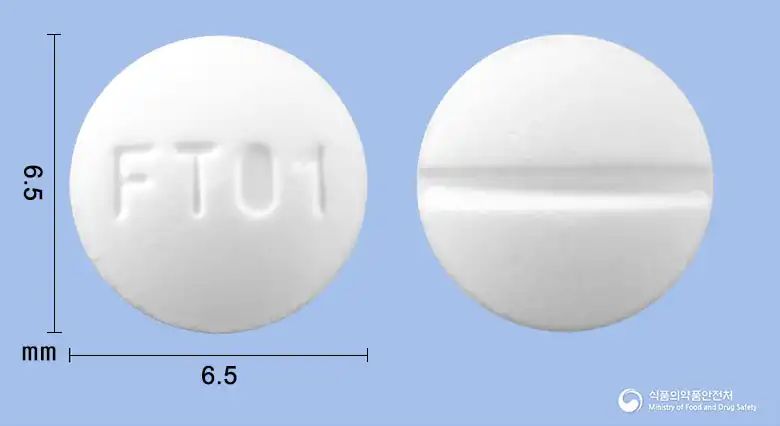
White, biconvex, round tablets
Package unit
100 tablets/bottle
Questions about this medicine
No questions yet.
For anything that needs medical judgment, consult a doctor or pharmacist.