
 한국어
 English
 日本語
 中文(简体)
Summary
- Main use
- Acute treatment of migraine with or without aura
- Who takes it
- Adults
- Adult dose
- This medicine should not be taken for the prevention of migraine. ○ Adults: Administer 2. 5 mg of zolmitriptan orally once at the onset of a migraine attack. If symptoms persist or recur within 24 hours, one additional dose may be effective. The second dose should be taken 2 hours after the initial dose. If migraine is not relieved by 2.5 mg of zolmitriptan, take 5 mg for subsequent migraine attacks. If migraine recurs, do not exceed a total of 10 mg of zolmitriptan within 24 hours. The effect begins within 1 hour of taking this medicine. Taking this medicine as early as possible at the onset of a migraine attack is effective; however, it provides equivalent efficacy if taken at any time during the attack. ○ Patients with hepatic impairment: Since metabolism is reduced in patients with hepatic impairment, use a reduced dose with caution in patients with moderate or severe hepatic impairment, and do not exceed a maximum dose of 5 mg in 24 hours.
Ingredients
- Importer
- SK Chemicals Co., Ltd.
Efficacy & effects
Acute treatment of migraine with or without aura
- Aura symptoms
- migraine
View approved original textHide original text
This medication is used to treat acute attacks of migraine, with or without aura. It quickly alleviates symptoms of acute migraine and helps patients return to their daily lives. It is particularly effective when taken at the onset of a migraine, as it reduces the severity of symptoms and shortens their duration. Additionally, this medication helps relieve symptoms such as nausea and vomiting that can accompany headaches, not just pain. When used safely, it can reduce the discomfort caused by migraines and improve the quality of life. It is widely used for the acute treatment of migraines.
How to take
Adult dose
This medicine should not be taken for the prevention of migraine. ○ Adults: Administer 2. 5 mg of zolmitriptan orally once at the onset of a migraine attack. If symptoms persist or recur within 24 hours, one additional dose may be effective. The second dose should be taken 2 hours after the initial dose. If migraine is not relieved by 2.5 mg of zolmitriptan, take 5 mg for subsequent migraine attacks. If migraine recurs, do not exceed a total of 10 mg of zolmitriptan within 24 hours. The effect begins within 1 hour of taking this medicine. Taking this medicine as early as possible at the onset of a migraine attack is effective; however, it provides equivalent efficacy if taken at any time during the attack. ○ Patients with hepatic impairment: Since metabolism is reduced in patients with hepatic impairment, use a reduced dose with caution in patients with moderate or severe hepatic impairment, and do not exceed a maximum dose of 5 mg in 24 hours.
Precautions
This medication should not be used in certain patients. For example, it should not be administered to patients who are allergic to this medication or its components, or those with severe hypertension, heart disease, or a history of stroke. Furthermore, children under 18 years old or patients with hereditary lactose intolerance should not take this medication. Patients with severe liver impairment or at risk for cerebrovascular disease, those with a history of seizures or convulsions, and pregnant or breastfeeding women should use this medication with caution. When taking this medication, symptoms such as drowsiness, dizziness, and headaches may occur, and in rare cases, cardiac-related abnormalities or allergic reactions may develop, so careful observation is necessary. It should only be used in patients confirmed to have migraines, and individuals at risk for cardiovascular disease should undergo heart examinations first. Additionally, caution should be exercised when taking this medication with other serotonergic agents, as serious side effects may occur. In cases of pregnancy or breastfeeding, the safety of this medicine has not been established; therefore, it must be administered cautiously according to a physician's judgment, and breastfeeding should be avoided for 24 hours after dosing. In the case of overdose, there is no specific antidote, so medical assistance should be sought immediately for appropriate treatment. This medication should be stored out of reach of children in a cool place.
Side effects
Anaphylaxis, anaphylactic reaction, sensory paralysis, dizziness, headache, hypersensitivity, drowsiness, warmth sensation, perceptual abnormalities, sensory abnormalities, palpitations, tachycardia, temporary elevation of blood pressure, coronary artery spasm, arrhythmia, angina, symptoms similar to myocardial infarction, abdominal pain, dry mouth, nausea, vomiting, dysphagia, hemorrhagic diarrhea, gastrointestinal infarction, necrosis, gastrointestinal ischemia, ischemic colitis, splenic infarction, angioedema, urticaria, weakness, myalgia, polyuria, frequent urination, urgency, fatigue, seizures, generalized weakness, esophageal heaviness, throat heaviness, limb heaviness, chest heaviness, tightness, pressure, pain, swelling, syncope, constipation, anxiety, restlessness, agitation, fever, coordination disorders, diarrhea
Not everyone experiences these, and they can vary from person to person.
Storage
This medication may be sensitive to air or moisture, so it must be stored in a tightly sealed container. The ideal storage temperature is between 1 and 25 degrees Celsius, which helps maintain the effectiveness of the medication for a long time.
Appearance and packaging
Appearance
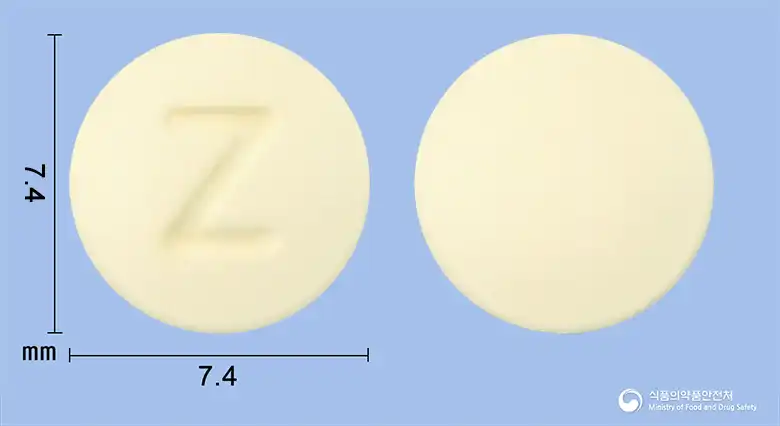
Round yellow film-coated tablets
Package unit
3 tablets (3 tablets/PTP x 1)
Questions about this medicine
No questions yet.
For anything that needs medical judgment, consult a doctor or pharmacist.