
 한국어
 English
 日本語
 中文(简体)
Summary
- Main use
- Treatment of advanced prostate cancer
- Who takes it
- Adults
- Adult dose
- Administer 280~420 mg of estramustine phosphate orally twice daily. This medication should be administered continuously; however, if no effect is seen within 3~4 weeks of starting treatment, discontinue administration. If effective, administer a maintenance dose of 560 mg daily. Take with water at least 1 hour before or 2 hours after a meal, and do not take with milk or dairy products. Do not take at the same time as calcium preparations or antacids. When taking these products, take them at least 1 hour before or 2 hours after this medication.
Ingredients
- Importer
- Pfizer Pharmaceuticals Korea Limited
Efficacy & effects
Treatment of advanced prostate cancer
- Metastatic prostate carcinoma
View approved original textHide original text
This medication is used for the treatment of metastatic prostate carcinoma.
How to take
Adult dose
Administer 280~420 mg of estramustine phosphate orally twice daily. This medication should be administered continuously; however, if no effect is seen within 3~4 weeks of starting treatment, discontinue administration. If effective, administer a maintenance dose of 560 mg daily. Take with water at least 1 hour before or 2 hours after a meal, and do not take with milk or dairy products. Do not take at the same time as calcium preparations or antacids. When taking these products, take them at least 1 hour before or 2 hours after this medication.
Precautions
This medication should not be administered to certain patients. First, patients with allergic reactions to this medication, its components, estrogens, or nitrogen mustard may be at risk if used. Additionally, patients with severely impaired liver function, thrombotic disorders such as thrombosis, cerebral thrombosis, pulmonary embolism, severe cardiovascular diseases, and severe blood-related diseases should also not be given this medication. Patients with peptic ulcers and children should not use this medication. There are also patients who require caution when using this medication. Patients with heart disease, epilepsy, migraines, or impaired kidney function should use this medication carefully. Furthermore, patients with moderate to severe suppression of bone marrow function, cerebrovascular diseases or congestive heart failure, diabetes, hypertension, liver or kidney diseases, and hypercalcemia should also be careful when administering this medication. Patients with hypercalcemia should have their blood tests, liver function tests, and serum calcium levels checked regularly. This medication can cause various side effects. The most common side effects include gynecomastia, nausea or vomiting, fluid retention, and edema. Serious side effects reported include thrombosis, myocardial ischemia, congestive heart failure, and angioedema. In addition, various symptoms such as anemia, leukopenia, hypersensitivity reactions, loss of appetite, depression, headache, hypertension, pulmonary embolism, liver function abnormalities, skin rashes, muscle weakness, erectile dysfunction, and perineal pain may occur, and if abnormal symptoms appear, one should consult a doctor immediately. When using this medication, liver function and blood status should be checked frequently to confirm if there are abnormalities. If necessary, the dosage may be reduced, or administration may be discontinued. Patients with reproductive potential should take caution as this medication may affect reproductive function. As blood pressure may rise, regular blood pressure monitoring is recommended, and contraception is advised due to potential mutagenicity. This medication may have reduced absorption and hence, diminished effectiveness if taken with milk or dairy products, antacids, or calcium supplements, so they should not be taken together. Additionally, caution should be exercised when taken with ACE inhibitors, as the risk of angioedema may increase. Elderly patients may have diminished physical function, so their condition should be closely monitored when using this medication. In case of overdose, there is no specific antidote, and treatment should be symptomatic. If blood levels drop to dangerous levels, blood transfusion may be necessary. Liver function should also be checked periodically. This medication should be stored safely out of reach of children and kept in its original container to prevent misuse or deterioration of quality.
Side effects
- Gynecomastia
- nausea
- vomiting
- fluid retention
- edema
- embolism
- myocardial ischemia
- congestive heart failure
- angioedema
- anemia
Show 41 moreCollapse
- leukopenia
- thrombocytopenia
- leukocytosis
- hypersensitivity reaction
- loss of appetite
- hypoproteinemia
- polydipsia
- altered mental status
- depression
- decreased libido
- cerebral infarction
- somnolence
- headache
- cerebral thrombosis
- myocardial infarction
- myocardial ischemia
- angina
- palpitations
- thrombophlebitis
- hypertension
- pulmonary embolism
- dyspnea
- pleural effusion
- diarrhea
- dyspepsia
- abdominal pain
- liver dysfunction
- jaundice
- allergic dermatitis
- rash
- itching
- muscle weakness
- erectile dysfunction
- perineal pain
- genital pain
- chest pain
- malaise
- fever
- fatigue
- increased blood urea
- increased blood triglycerides
Not everyone experiences these, and they can vary from person to person.
Storage
This medication is sensitive to light, so it should be stored in a dark container that prevents light exposure. Additionally, to maintain the medication’s effectiveness, it is important to store it in a cool place between 1 and 25 degrees Celsius.
Appearance and packaging
Appearance
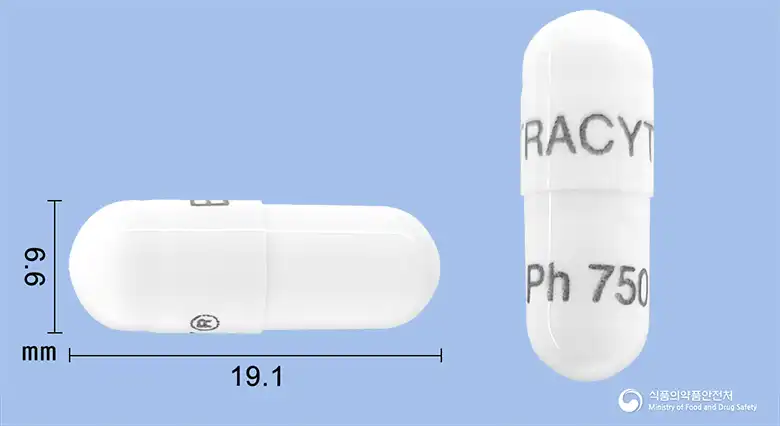
It is an opaque hard capsule containing a grayish-white powder.
Package unit
30 capsules/bottle
Questions about this medicine
No questions yet.
For anything that needs medical judgment, consult a doctor or pharmacist.