
 한국어
 English
 日本語
 中文(简体)
 Viewing now
Tracinon Tablet 2 mg (Triamcinolone)
Triamcinolone 2mg
Tablet · Prescription medication
Chodang Pharmaceutical Industry Co., Ltd.
MFDS item code 199903340 · Notified 1999.06.25 · Insurance code 670701090
Treatment of allergic and inflammatory diseases, systemic diseases (including endocrine and hematologic disorders), and surgery-related conditions
This medication is used for endocrine disorders such as adrenal cortical insufficiency and thyroid diseases, a variety of connective tissue diseases including rheumatic fever, bronchial asthma, and neurological diseases like myelitis or multiple sclerosis. It is also effective for kidney diseases such as nephrotic syndrome and blood disorders including purpura and acquired hemolytic anemia. Additionally, it can be utilized in the treatment of gastrointestinal inflammation, severe infections, idiopathic hypoglycemia, various skin conditions including alopecia areata, several ophthalmic disorders, surgical complications, and gynecological diseases. This medication helps in treating a wide range of conditions and is used to improve health.
Adults: Administer 8 ~ 16 mg of triamcinolone orally per day in 3 ~ 4 divided doses (as symptoms improve, reduce the dose by 2 mg every 2 ~ 3 days to the minimum effective maintenance dose).
This medication should not be used in patients with known allergies or hypersensitivity to certain components. Moreover, patients with infections or systemic fungal infections that lack effective antimicrobial agents should avoid this medication due to the risk of worsening infection caused by its immunosuppressive effects. It is also recommended to avoid using this medication in patients with herpes simplex, herpes zoster, varicella, or herpes keratitis due to the risk of exacerbating infections. This medication contains lactose, therefore patients with lactose intolerance or related genetic issues should refrain from taking it. Careful use of this medication is necessary in patients with specific conditions. For example, patients with cataracts, hypertension, electrolyte imbalances, thrombosis, those who have recently undergone surgery, myocardial infarction, peptic ulcers, mental disorders, osteoporosis, glaucoma, kidney failure, liver diseases, and elderly patients should be administered under strict medical supervision due to the risk of side effects or worsening conditions. This medication can suppress immune function and raise the risk of infections, so it is important for patients with infections or diabetes to regularly check their condition. During treatment, special attention should be paid to infections such as varicella or measles. Medical history and vaccination status should be verified, and prompt medical attention should be sought if an infection is suspected. Long-term use may cause adrenal insufficiency, and sudden discontinuation may result in withdrawal symptoms; therefore, it is important to taper off the medication gradually, and re-administration might be necessary if required. This medication may interact with other drugs, so dosage adjustments and caution are needed when taken with barbiturates, anticonvulsants, antibiotics, diuretics, and antihypertensives. During pregnancy, it may affect the fetus, so it should only be used when absolutely necessary, and it is advisable to avoid it while breastfeeding. In pediatric patients, side effects such as growth retardation may occur, so it must be administered cautiously at the minimum effective dose, and caution is also necessary in elderly patients due to higher risks of infections, osteoporosis, and hypertension.
Not everyone experiences these, and they can vary from person to person.
This medication should be stored in a tightly sealed container that prevents air from entering and kept at room temperature between 1 to 30 degrees Celsius. Proper storage helps maintain the medication's effectiveness.
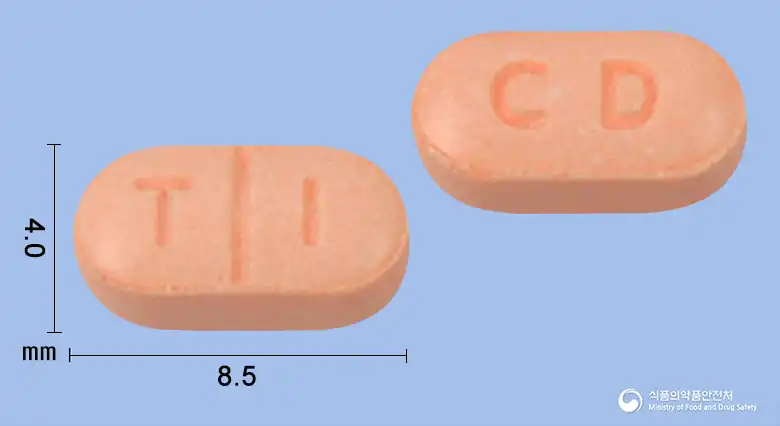
For domestic use: yellow oval tablets For export: yellow round tablets
1000 tablets/bottle
Even with the same ingredient, strength, dosage form and how it is taken can differ.
Viewing nowTriamcinolone 2mg
Tablet · Prescription medication
Chodang Pharmaceutical Industry Co., Ltd.
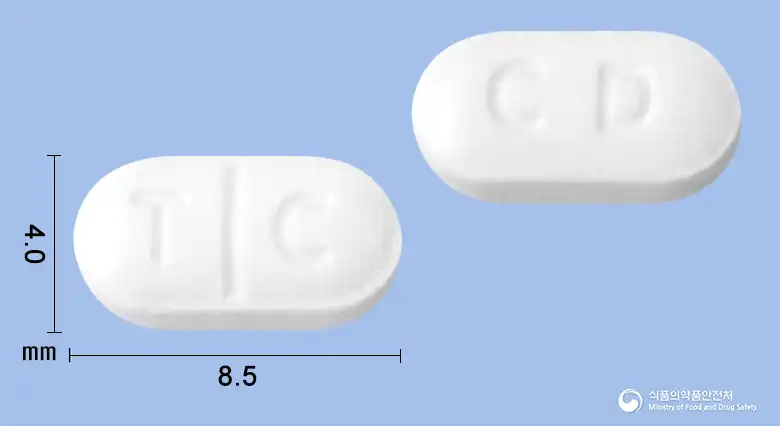
Triamcinolone 4mg
Tablet · Prescription medication
Chodang Pharmaceutical Industry Co., Ltd.
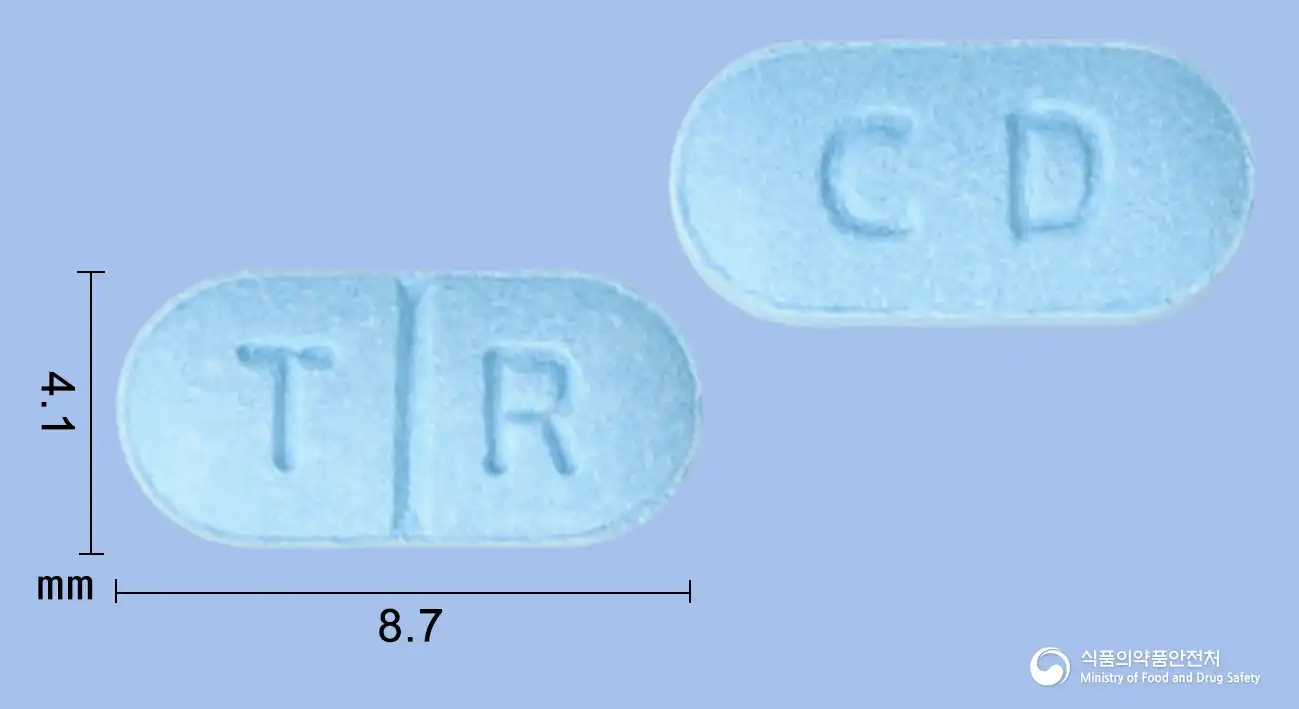
Triamcinolone 1mg
Tablet · Prescription medication
Chodang Pharmaceutical Industry Co., Ltd.
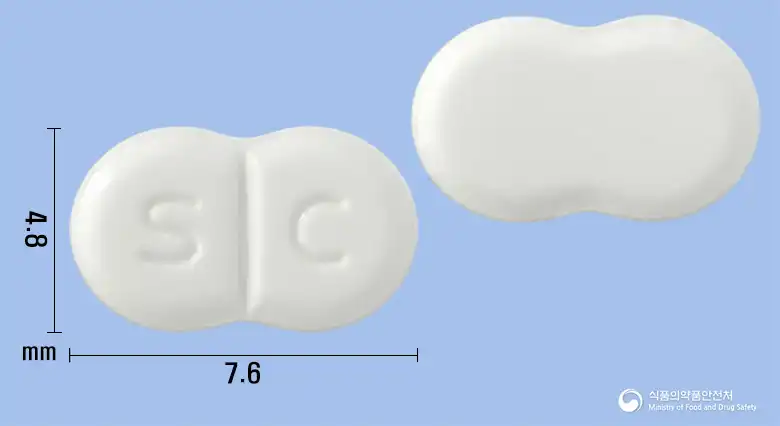
Triamcinolone 4mg
Tablet · Prescription medication
SK Chemicals Co., Ltd.
Even with the same ingredient, the dose and directions can differ by strength and dosage form. Talk to a doctor or pharmacist before switching from a medication you are already taking.
No questions yet.
For anything that needs medical judgment, consult a doctor or pharmacist.
This drug information is based on data provided by the Korea Ministry of Food and Drug Safety.
Consult a doctor or pharmacist for accurate dosage, administration, and usage instructions.