
 한국어
한국어 English
 日本語
日本語 中文(简体)
 Viewing now
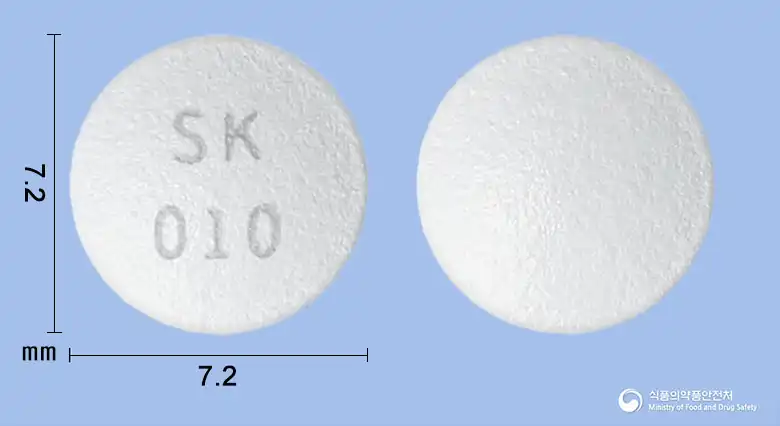
Omed Tablet 10 mg (Omeprazole)
Omeprazole 10mg
Tablet · Prescription medication
SK Chemicals Co., Ltd.
MFDS item code 199902308 · Notified 1999.10.20 · Insurance code 644701850
Improvement of symptoms of gastric ulcers and reflux esophagitis, and prevention of ulcer recurrence
This medication is used for the short-term treatment of gastric ulcers and duodenal ulcers. It also helps in the treatment of symptoms of reflux esophagitis and gastroesophageal reflux disease (GERD) such as heartburn and regurgitation. It is effective as maintenance therapy for severe reflux esophagitis and difficult-to-treat peptic ulcers. The treatment of Zollinger-Ellison syndrome is also applicable, and it is used in antibiotic combination therapy for the prevention of duodenal ulcer recurrence caused by Helicobacter pylori infection. Additionally, it is effective for the treatment of gastric and duodenal ulcers or erosions caused by non-steroidal anti-inflammatory drugs (NSAIDs) and for the prevention of gastrointestinal diseases in patients who take these medications long-term. Lastly, it helps prevent relapse of reflux esophagitis.
Administer 20 mg orally once daily. Treatment duration varies from 2 to 8 weeks depending on symptoms, and dose increase or extension of treatment duration is possible if necessary. In specific cases (Zollinger-Ellison syndrome), administer 60 mg orally once daily, and if more than 80 mg is administered, divide into two doses daily. In antibiotic combination therapy, administer 20 mg or 40 mg once or twice daily. NSAID related ulcers.
This medication should not be administered to certain patients. For example, patients allergic to any component of this medication or those with a malignant tumor possibility in gastric ulcers should not use this medication, as it may mask symptoms, leading to delayed diagnosis in cancer patients. Additionally, concomitant administration with medications containing Atazanavir or Lopinavir is prohibited. Patients with impaired hepatic function or the elderly should be cautious when using this medication. Dosage should be limited for patients with severely impaired liver function. Several side effects may occur while taking this medication. Common neurological symptoms such as headache, drowsiness, dizziness may occur, and liver enzyme levels may elevate due to liver dysfunction. Gastrointestinal symptoms such as diarrhea, constipation, nausea, abdominal pain may appear, and skin rash or itching, and in severe cases, serious skin reactions such as Stevens-Johnson syndrome may occur. Rarely, various adverse reactions such as blood disorders, muscle pain, gynecomastia, and hypomagnesemia have been reported. Long-term use of this medication may mask symptoms of malignant tumors such as gastric cancer; thus, examinations are necessary if weight loss, recurrent vomiting, or hematemesis occur. Regular testing is recommended for long-term use exceeding one year, and caution should be exercised as the risk of fractures may increase. Hypomagnesemia may occur, requiring periodic checks of magnesium levels, and supplementation therapy may be necessary when needed. This medication may interact with other drugs; therefore, be sure to inform your healthcare provider of any other medications you are taking. Special caution is needed when used with warfarin, diazepam, cyclosporine, methotrexate, etc. Co-administration with Atazanavir is prohibited. Women who are pregnant or may become pregnant should carefully weigh the risks and benefits when using this medication, and it is advisable that breastfeeding women either avoid this medication or discontinue breastfeeding. Safety in children has not been established. In cases of overdose, symptoms such as vomiting, diarrhea, headache, confusion can occur, but they are generally temporary, and severe consequences are rarely reported. This medication must be kept out of the reach of children and should not be transferred to another container; the cap of the container should be tightly closed after use.
Not everyone experiences these, and they can vary from person to person.
This medication should be stored in a tightly closed container to prevent exposure to air or moisture. It is important to maintain a storage temperature between 1 degree and 30 degrees Celsius (room temperature). Proper storage will help maintain the medication's effectiveness and safety over time.
Round enteric-coated tablets in pale gray color
30 tablets/bottle, 500 tablets/bottle
Even with the same ingredient, strength, dosage form and how it is taken can differ.
Viewing nowOmeprazole 10mg
Tablet · Prescription medication
SK Chemicals Co., Ltd.
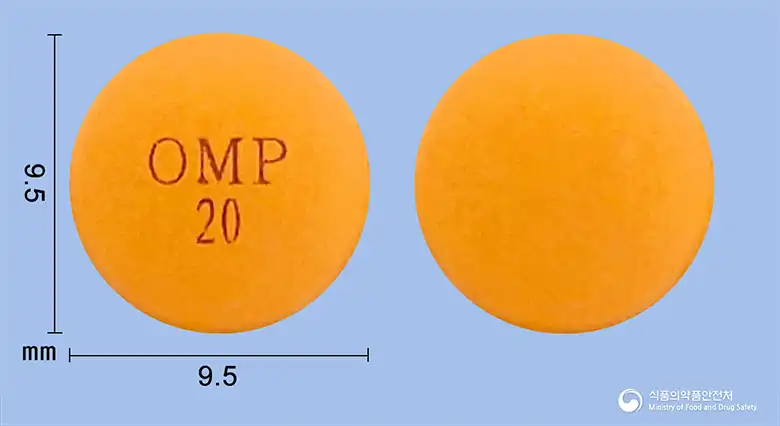
Omeprazole 20mg
Tablet · Prescription medication
(Stock Company) Chongkundang
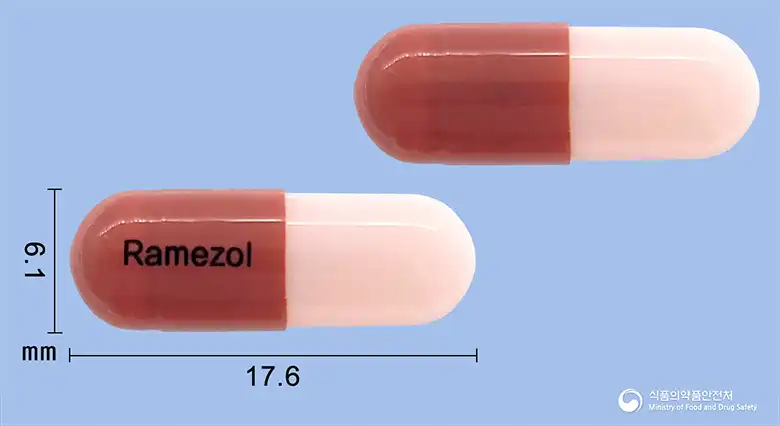
Omeprazole 20mg
Hard capsule · Prescription medication
Hanmi Pharmaceutical Co., Ltd.
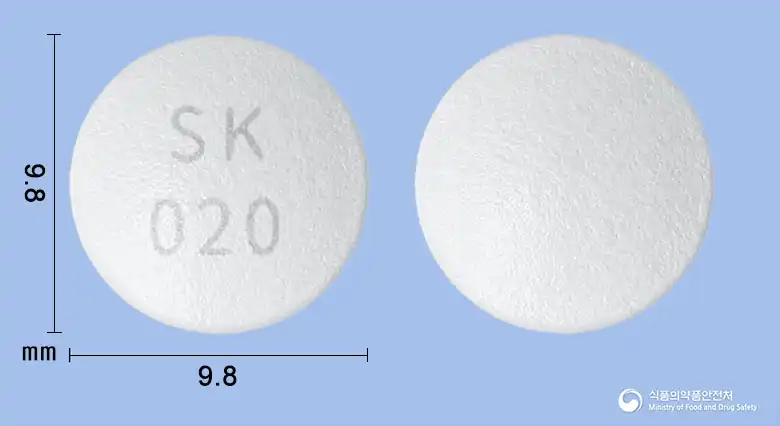
Omeprazole 20mg
Tablet · Prescription medication
SK Chemicals Co., Ltd.
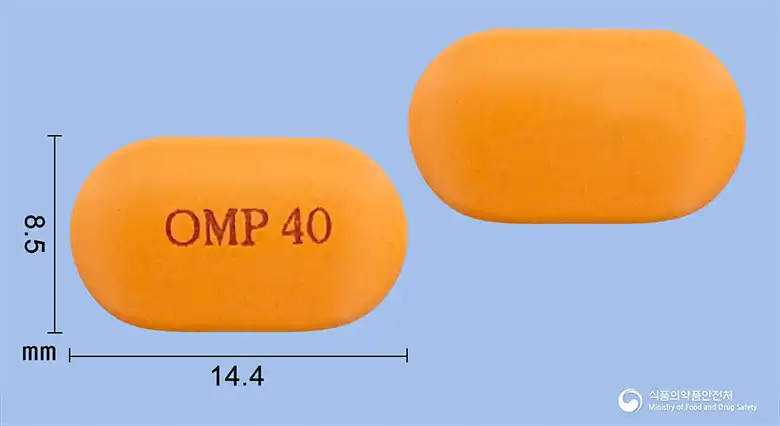
Omeprazole 40mg
Tablet · Prescription medication
Jongkundang Co., Ltd.
Even with the same ingredient, the dose and directions can differ by strength and dosage form. Talk to a doctor or pharmacist before switching from a medication you are already taking.
No questions yet.
For anything that needs medical judgment, consult a doctor or pharmacist.
This drug information is based on data provided by the Korea Ministry of Food and Drug Safety.
Consult a doctor or pharmacist for accurate dosage, administration, and usage instructions.