
 한국어
 English
 日本語
 中文(简体)
 Viewing now
Orphils Extended Release 600 mg (Sodium Valproate)
Sodium Valproate 600mg
Tablet · Prescription medication
Bukwang Pharmaceutical Co., Ltd.
MFDS item code 199901651 · Approved 1999.03.25 · Insurance code 642201720
Prevention and treatment of epilepsy (absence seizures, partial seizures, etc.) and related personality and behavioral disorders
This medication is used to treat various types of seizures caused by epilepsy, including absence seizures (petit mal seizures), partial seizures (focal seizures), complex partial seizures, and mixed seizures. It is also effective in the prevention and treatment of personality or behavioral disorders associated with epilepsy. It helps reduce the frequency and symptoms of seizures to improve the patient's quality of life.
Adults: The initial dose of sodium valproate is 5-10㎎ per ㎏ of body weight, administered orally. Increase the dose by 5㎎ every 4-7 days. The adult maintenance dose is 20㎎ per ㎏ of body weight per day. Adjust the dose as appropriate according to age and symptoms.
The daily dose for children is 20-30㎎ per ㎏ of body weight.
This medication requires special caution in pregnant women or women who may become pregnant, and it should not be used if preventive measures against pregnancy are not strictly followed. This medication can cause severe damage to the liver and pancreas, so regular liver function tests should be conducted, especially in children and patients with a history of liver disease. During use, mental health conditions such as suicidal thoughts or behaviors, depression should be closely monitored, and if any abnormal signs occur, immediate consultation with healthcare professionals is necessary. This medication may interact with other drugs, so it is essential to inform healthcare professionals about any other medications being taken, especially since the effectiveness may be reduced when used with estrogen-containing hormonal contraceptives. The medication should not be crushed or chewed but taken whole with water, and if symptoms such as diarrhea or gastrointestinal abnormalities occur, medical consultation is advised. This medication has a central nervous system depressant effect, which may cause drowsiness or dizziness, therefore driving or operating hazardous machinery should be avoided. Children, the elderly, and patients with renal impairment may require dose adjustments and monitoring, and sudden discontinuation of the medication may exacerbate seizures; tapering off should be done gradually. In case of overdose, symptoms such as coma, sedation, and muscle weakness may occur, requiring immediate emergency treatment. This medication may pose a risk of congenital malformations or neurodevelopmental disorders during pregnancy, so consultation with healthcare professionals is essential for those who are planning to become pregnant or are pregnant. For those who are nursing, it should be carefully considered that this medication may be excreted in breast milk; the necessity for treatment should be weighed against breastfeeding. Regular blood tests, liver function tests, and mental health assessments are necessary during the course of this medication, and any abnormal symptoms should be reported immediately to healthcare professionals.
Changes in liver function test results, severe liver damage, increased frequency of seizures, altered consciousness, drowsiness, transient coma, cognitive impairment, symptoms of dementia, Parkinson's disease, orthostatic microtremors, drowsiness, sedative effects, tremors, ataxia, headache, confusion, convulsions, hypersensitivity, hallucinations, dizziness, insomnia, anxiety, visual disturbances, nystagmus, diplopia, inability to maintain fixed positions, phenomenon of seeing spots in front of the eyes, speech disorders, sensory changes, excessive salivation, coma, hyperammonemia, consciousness disorders, emotional confusion, depression, psychosis, aggression, hyperactivity, behavioral dementia, increased appetite, abnormal weight gain, abdominal pain, loss of appetite, discomfort in the stomach, constipation, stomatitis, nausea, abdominal pain, vomiting, diarrhea, pancreatitis, irregular menstruation, secondary amenorrhea, polycystic ovary syndrome, hypertrophy of the breast, galactorrhea, hyperandrogenemia, thyroid dysfunction, hair loss, hair discoloration, curly hair, skin rash, erythema multiforme, mucocutaneous syndrome, toxic epidermal necrolysis, erythrodermic rash, myasthenia, decreased fibrinogen, decreased coagulation factor VIII, prolonged bleeding time, hyperglycinemia, anemia, macrocytosis, pancytopenia, leukopenia, thrombocytopenia, hemolytic anemia, macrocytic anemia, granulocytopenia, eosinophilia, decreased platelet aggregation, lymphocytopenia, neutropenia, petechiae, contusions, hematoma formation, genuine bleeding, pure red cell aplasia, bone marrow failure, hearing loss, tinnitus, interstitial nephritis, nocturnal enuresis, Fanconi syndrome, hyperinsulinemia, decreased IGFBP-I, hypothermia, hyponatremia, syndrome of inappropriate antidiuretic hormone secretion, allergic reactions, angioedema, DRESS syndrome, erythematous lupus, vasculitis, allergy reactions, cerebral atrophy, dementia, hematuria, thirst, fatigue, nasal bleeding, generalized edema, localized edema, weight loss, weight gain
Not everyone experiences these, and they can vary from person to person.
This medication should be stored in a tightly sealed container to prevent exposure to air and kept at room temperature between 1 to 30 degrees Celsius. Proper storage will help maintain the effectiveness of the medication for a longer time.
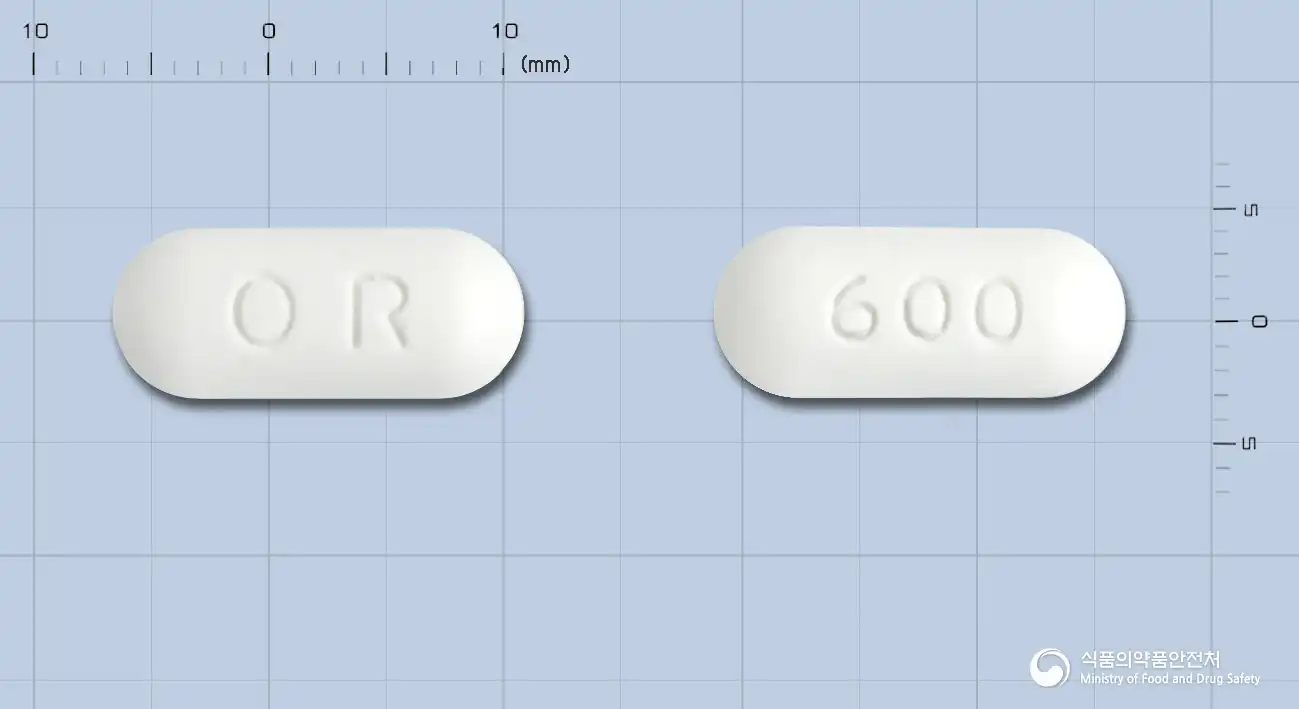
White, oval-shaped film-coated extended release tablet
30 tablets, 500 tablets/bottle
Even with the same ingredient, strength, dosage form and how it is taken can differ.
Viewing nowSodium Valproate 600mg
Tablet · Prescription medication
Bukwang Pharmaceutical Co., Ltd.
Sodium Valproate 200mg
Prescription medication
Samjin Pharmaceutical Co., Ltd.
Sodium Valproate 300mg
Tablet · Prescription medication
BooKwang Pharmaceuticals Co., Ltd.
Sodium Valproate 300mg
Tablet · Prescription medication
Hwa In Pharmaceutical Co., Ltd.
Sodium Valproate 400mg
Injections · Prescription medication
Samjin Pharmaceutical Co., Ltd.
Sodium Valproate 150mg
Tablet · Prescription medication
Bukwang Pharmaceuticals Co., Ltd.
Sodium Valproate 100mg
Injections · Prescription medication
BooKwang Pharmaceutical Co., Ltd.
Sodium Valproate 6000mg
Prescription medication
Bukwang Pharmaceutical Co., Ltd.
Even with the same ingredient, the dose and directions can differ by strength and dosage form. Talk to a doctor or pharmacist before switching from a medication you are already taking.
No questions yet.
For anything that needs medical judgment, consult a doctor or pharmacist.
This drug information is based on data provided by the Korea Ministry of Food and Drug Safety.
Consult a doctor or pharmacist for accurate dosage, administration, and usage instructions.