
 한국어
한국어 English
 日本語
日本語 中文(简体)
 Viewing nowCombination
Unizime Tablets
Magnesium Aluminometasilicate 40mg · Sodium Bicarbonate 50mg +6 more
Tablet · OTC medication · Combination
Donggu Bio Pharmaceutical Co., Ltd.
MFDS item code 199901332 · Notified 1999.11.23
Improvement of symptoms related to hyperacidity and heartburn, etc.
This medication helps alleviate several symptoms associated with peptic ulcers. It relieves heartburn and discomfort in the upper abdomen caused by excess stomach acid, reduces feelings of fullness, nausea, and vomiting related to indigestion, and improves uncomfortable symptoms such as abdominal pain and belching, aiding digestive function. Through these effects, it helps alleviate discomfort in patients' daily lives and contributes to symptom relief.
For adults, take 2 tablets per dose, 3 times a day after each meal.
This medication should not be used by patients undergoing dialysis treatment. Additionally, it contains lactose, so individuals with genetic issues such as galactose intolerance, lactase deficiency, or glucose-galactose malabsorption should also avoid taking it. Patients who have had allergic reactions, are taking other medications, have kidney or liver problems, or are receiving treatment from a physician should use it with caution. Those with high blood pressure, elderly patients, and those with heart or kidney problems or swelling should consult their physician or pharmacist before taking it. If symptoms such as decreased urine output, severe swelling of the face or limbs, heaviness in the eyelids, stiffness in the hands, elevated blood pressure, or headache occur after taking the medication, discontinue use immediately and consult a specialist. Long-term use of this medication may lead to side effects such as hypokalemia, elevated blood pressure, fluid retention, and swelling, so blood potassium levels should be regularly monitored. If symptoms such as muscle weakness, limb cramps, or paralysis appear, stop taking the medication and consult healthcare personnel. The risk of side effects increases when taken with potassium-containing preparations, licorice components, or certain diuretics, so caution is needed. If you experience allergic symptoms, drowsiness, dizziness, malaise, headaches, constipation, or dry mouth, discontinue use and inform a specialist. It is essential to adhere strictly to the prescribed dosage and frequency, and if symptoms do not improve after taking it for more than 2 weeks, consult a physician or pharmacist. Long-term use should be avoided, and individuals with a history of kidney disease should consult a specialist before use. It is advisable not to take this medication concurrently with gastrointestinal pain relievers or antispasmodics. Children under the age of 15, as well as pregnant or breastfeeding women, should not take this medication. When storing, keep it out of the reach of children, avoid direct sunlight, and store in a cool, dry place. Furthermore, it is crucial not to transfer it to another container to maintain its quality.
Not everyone experiences these, and they can vary from person to person.
Do not take this medication with gastrointestinal analgesics or antispasmodics. Consult a physician or pharmacist when taking with potassium-containing preparations, loop diuretics (such as furosemide, ethacrynic acid), or thiazide diuretics (such as trichlormethiazide).
Caution is needed when taking this medication with preparations that contain licorice or glycyrrhizic acid or its salts.
This medication is sensitive to light; therefore, it should be stored in a container protected from light. Additionally, it is important to store it in a sealed container to avoid contact with air. The storage temperature should be maintained between 1°C and 30°C to ensure the medication's effectiveness.
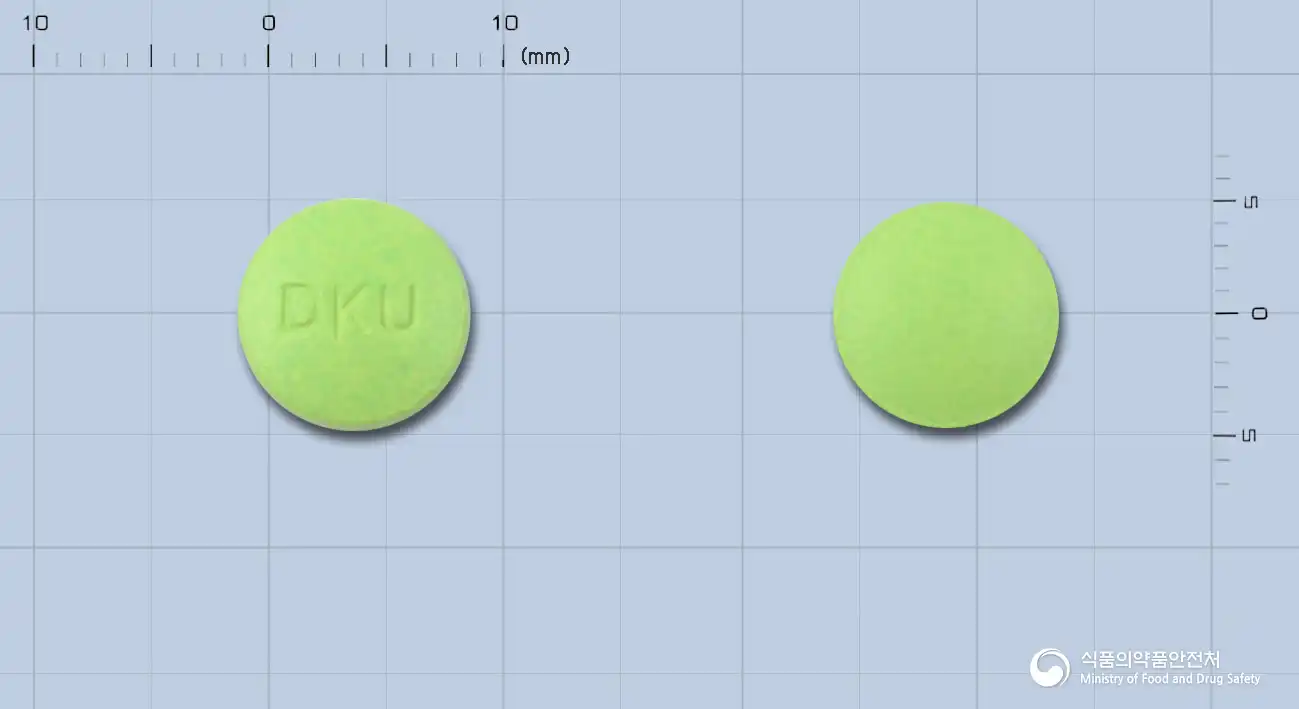
Green to light green round film-coated tablets
500 tablets/bottle
Even with the same ingredient, strength, dosage form and how it is taken can differ.
Viewing nowCombinationMagnesium Aluminometasilicate 40mg · Sodium Bicarbonate 50mg +6 more
Tablet · OTC medication · Combination
Donggu Bio Pharmaceutical Co., Ltd.
 Combination
Magnesium Aluminometasilicate 40mg · Sodium Bicarbonate 50mg +6 more
Tablet · OTC medication · Combination
Myungmoon Pharmaceutical Co., Ltd.
Trimebutine Maleate 100mg · Diastase·Protease·Cellulase 40mg +6 more
OTC medication · Combination
Hyundai Pharmaceutical Co., Ltd.
Even with the same ingredient, the dose and directions can differ by strength and dosage form. Talk to a doctor or pharmacist before switching from a medication you are already taking.
No questions yet.
For anything that needs medical judgment, consult a doctor or pharmacist.
This drug information is based on data provided by the Korea Ministry of Food and Drug Safety.
Consult a doctor or pharmacist for accurate dosage, administration, and usage instructions.