
 한국어
 English
 日本語
 中文(简体)
 Viewing now
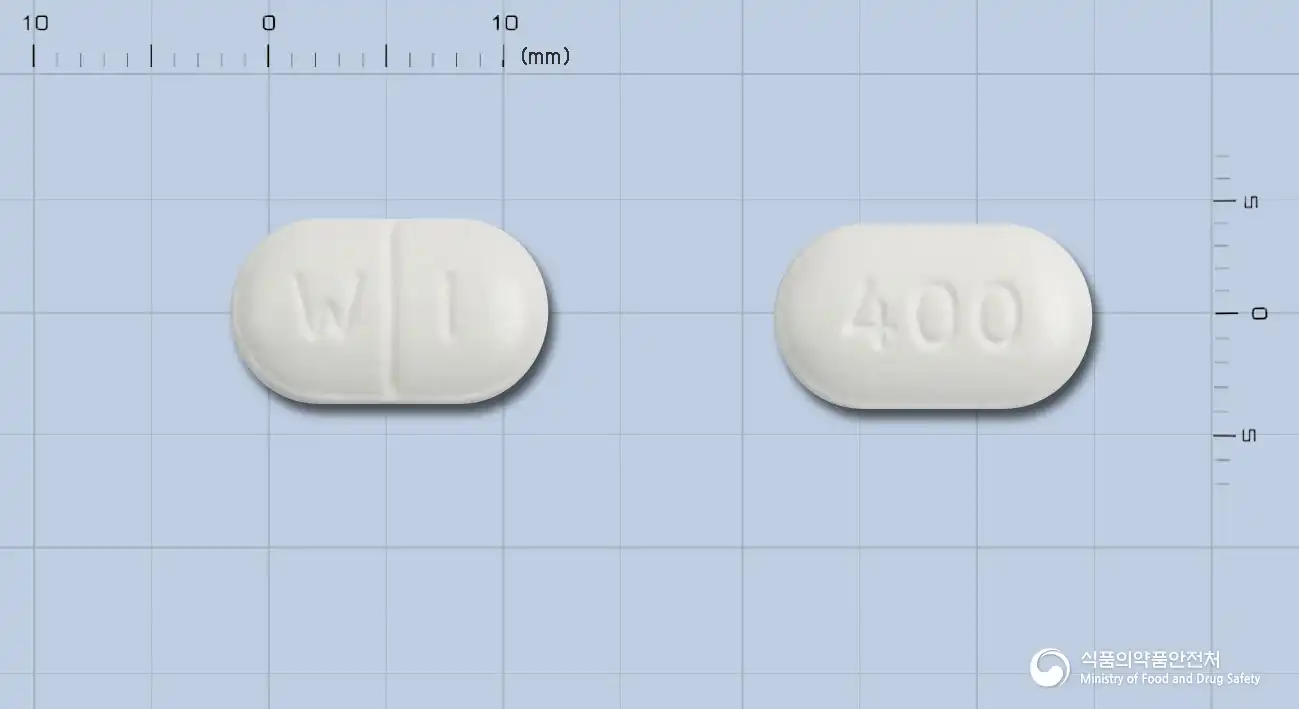
Toserak 400 mg (Unmodified Etodolac)
Etodolac Micronized 400mg
Tablet · Prescription medication
Hanin Pharmaceutical Co., Ltd.
MFDS item code 199901211 · Notified 1999.03.27 · Insurance code 657200780
Treatment of joint disorders (such as rheumatoid arthritis) and relief of pain (such as postoperative pain)
This medication is used for the relief of pain associated with chronic joint diseases such as rheumatoid arthritis, osteoarthritis (degenerative joint disease), and ankylosing spondylitis, as well as pain that occurs after surgery, trauma, or tooth extraction.
Acute symptoms: Adults: Administer etodolac 200-400 mg orally 3-4 times daily (every 6-8 hours). Chronic symptoms: Administer an initial dose of 800-1200 mg daily orally in 2-4 divided doses, followed by a maintenance dose of 600-1200 mg daily orally in 2-4 divided doses. Do not exceed 1200 mg per day. The dose may be adjusted as appropriate according to age and symptoms.
Patients who regularly consume more than three glasses of alcohol daily should consult a physician or pharmacist before taking this medication, as there is a higher risk of gastrointestinal bleeding. This medication may increase the risk of cardiovascular disease and could lead to serious cardiovascular problems such as myocardial infarction or stroke, so patients with a history of cardiovascular disease or risk factors should be particularly cautious. This medication can cause serious gastrointestinal side effects such as gastrointestinal bleeding, ulcers, and perforation; therefore, elderly patients or those with a history of gastrointestinal disorders should use it with caution. Patients with a history of peptic ulcers or bleeding, those allergic to the components of this medication, or those who have had hypersensitivity reactions to aspirin or other nonsteroidal anti-inflammatory drugs should not take this medication. Patients with progressive kidney disease or impaired liver function should closely monitor kidney and liver function while using this medication, and patients with hypotension, heart failure, or fluid retention also need to be cautious. During treatment, various side effects such as nausea, diarrhea, abdominal pain, headache, drowsiness, skin rash, swelling, and respiratory difficulty may occur; thus, if unusual symptoms arise, medical consultation should be sought immediately. It is preferable to take this medication at the minimum dosage and for the shortest duration possible, especially for patients with reduced kidney function, liver dysfunction, hypertension, or heart failure. Pregnant women, especially in late pregnancy, should avoid taking this medication as it may harm the fetus, and breastfeeding mothers should also consult a doctor before use as it may affect the baby through breast milk. Interactions may occur when taken with other medications, so patients taking ACE inhibitors, aspirin, diuretics, warfarin, methotrexate, etc., should inform their healthcare provider. In cases of overdose, symptoms such as gastrointestinal bleeding, drowsiness, vomiting, increased blood pressure, and acute renal failure may occur; there is no specific antidote, so patients should seek appropriate treatment at a medical institution immediately. This medication should be kept out of reach of children, and it is important to avoid transferring it to another container to maintain safety and quality.
Gastrointestinal bleeding, ulcer, perforation, nausea, diarrhea, upper abdominal pain, anorexia, hepatitis, jaundice, belching, elevated liver enzymes, heartburn, dyspepsia, bloating, abdominal pain, gastrointestinal cramps, abdominal gas accumulation, constipation, gastritis, bloody stools, thirst, dry mouth, ulcerative stomatitis, black tongue syndrome, vomiting, esophagitis with stricture or pyloric spasms, colitis, ischemic or ulcerative colitis, colonic ulcer, membrane colitis, pancreatitis, headache, dizziness, drowsiness, insomnia, neuroasthenia, anxiety, depression, asthenia, lethargy, somnolence, paralysis, coma, sensory abnormalities, confusion, itching, rash, angioedema, sweating, urticaria, vesicular rash, cutaneous vasculitis with purpura, Stevens-Johnson syndrome, hyperpigmentation, erythema multiforme, hair loss, skin desquamation, maculopapular rash, photophobia, nipple necrosis, chills, fever, fatigue, weakness, malaise, allergic reaction, anaphylactic reaction, infections, dysuria, frequent urination, renal failure, kidney dysfunction, papillary necrosis, cystitis, hematuria, leucorrhea, kidney stones, interstitial nephritis, irregular uterine bleeding, blurred vision, lifespan, tinnitus, photophobia, transient visual disturbance, conjunctivitis, hearing loss, taste disturbance, hypotension, hypertension, congestive heart failure, flushing, tachycardia, palpitations, syncope, vasculitis, petechiae, anemia, thrombocytopenia, prolonged bleeding time, agranulocytosis, hemolytic anemia, leukopenia, neutropenia, pancytopenia, arrhythmia, myocardial infarction, fluid retention, cerebrovascular accident, asthma, bronchitis, dyspnea, pharyngitis, rhinitis, sinusitis, venous thrombophlebitis, edema, increased serum creatinine, weight change, hyperglycemia, drowsiness, phenomenon, non-cardiac chest pain, upper abdominal pain, respiratory depression, coma
Not everyone experiences these, and they can vary from person to person.
This medication should be stored in a tightly closed container to prevent air or moisture from entering. It is also safe to store it at room temperature, between 1 to 30 degrees Celsius, not too hot or too cold.
White oblong film-coated tablet
30 tablets/bottle, 100 tablets/bottle
Even with the same ingredient, strength, dosage form and how it is taken can differ.
Viewing nowEtodolac Micronized 400mg
Tablet · Prescription medication
Hanin Pharmaceutical Co., Ltd.
Etodolac Micronized
Prescription medication
Geonil Pharmaceutical Co., Ltd.
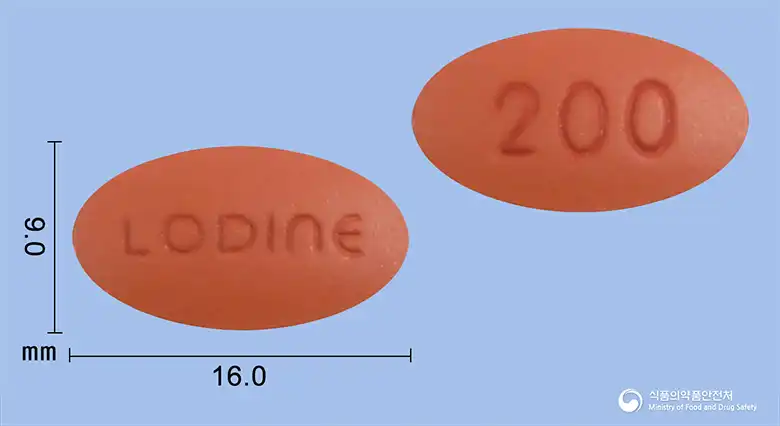
Etodolac Micronized 200mg
Tablet · Prescription medication
Kunil Pharmaceutical Co., Ltd.
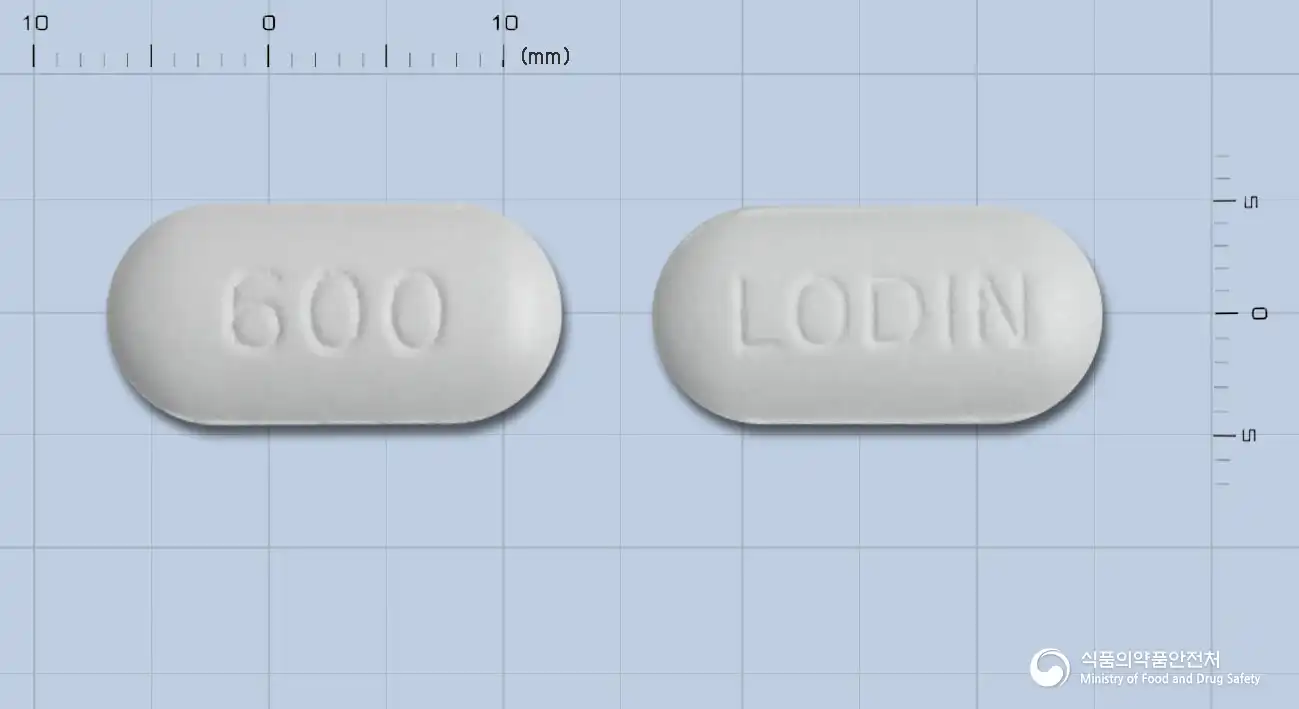
Etodolac Micronized 600mg
Tablet · Prescription medication
Gunil Pharmaceutical Co., Ltd.
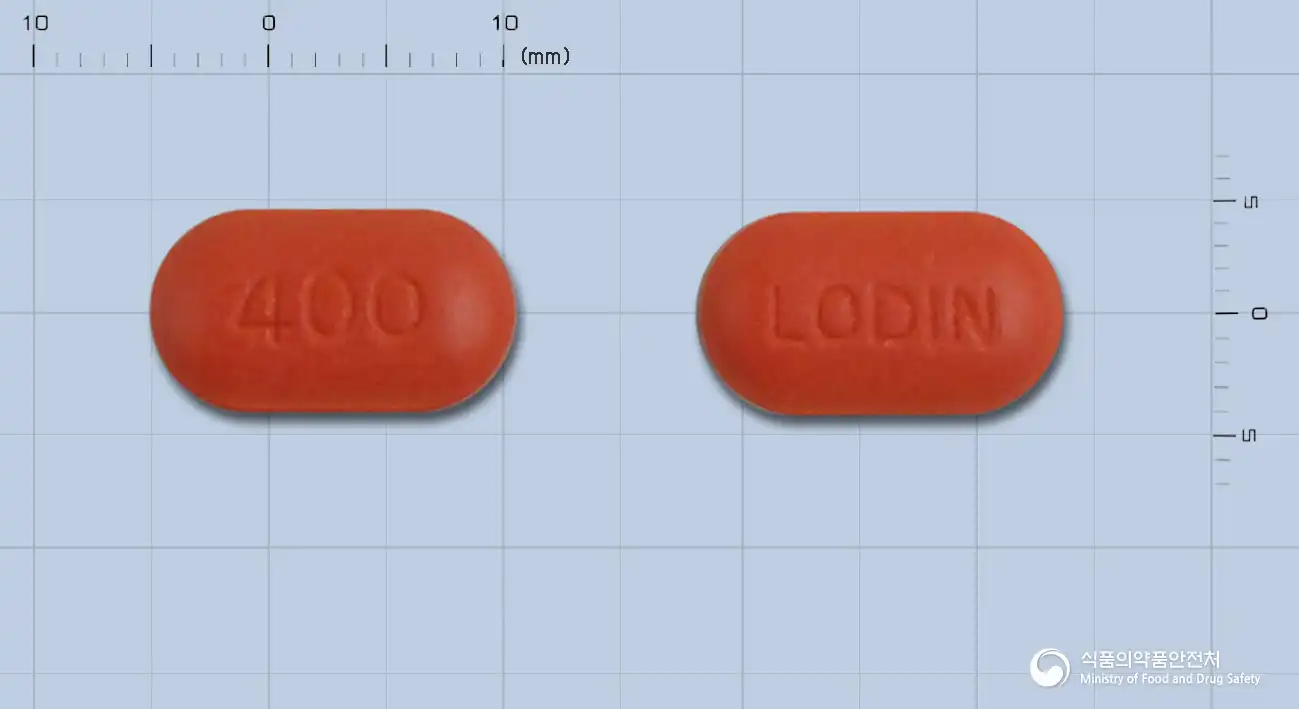
Etodolac Micronized 400mg
Tablet · Prescription medication
Geonil Pharmaceutical Co., Ltd.
Etodolac Micronized 200mg
Tablet · Prescription medication
Yuhan Corporation Co., Ltd.
Etodolac Micronized 200mg
Prescription medication
Huons Life Science Co., Ltd.
Even with the same ingredient, the dose and directions can differ by strength and dosage form. Talk to a doctor or pharmacist before switching from a medication you are already taking.
No questions yet.
For anything that needs medical judgment, consult a doctor or pharmacist.
This drug information is based on data provided by the Korea Ministry of Food and Drug Safety.
Consult a doctor or pharmacist for accurate dosage, administration, and usage instructions.