한국어
 English
 日本語
 中文(简体)
 Viewing now
Glucobai Tablet 50 mg (Acarbose)
Acarbose 50mg
Tablet · Prescription medication
Hana Pharm Co., Ltd.
MFDS item code 199900925 · Approved 1999.12.23 · Insurance code 652100050
Improvement of postprandial hyperglycemia in diabetes mellitus
This medication helps improve postprandial blood sugar spikes in patients with diabetes. It is particularly used in cases where dietary and exercise therapies are being implemented but sufficient blood sugar control is difficult. Additionally, it is effective even when used alongside oral hypoglycemic agents or insulin therapy in situations where blood sugar control is still insufficient. This support helps patients manage their blood sugar and contributes to the prevention of complications. This drug is used safely and effectively to improve postprandial hyperglycemia.
Because efficacy and tolerability vary among patients, the physician must determine the dose according to the patient's condition. The usual dosage is as follows. Initial: Adults—administer acarbose 50mg orally 3 times daily before meals. Next step: Administer this medicine 100mg 3 times daily before meals. The dose may be increased after 4-8 weeks and may be increased further if the patient's clinical response remains inadequate. If adverse effects worsen despite strict adherence to dietary therapy, the dose should not be increased and should be reduced if necessary. The average daily dose for adults is 300mg. If considered necessary, the dose may be increased to 200mg per administration, up to 3 times daily.
This medication helps control postprandial blood sugar spikes by slowing down the digestion of carbohydrates. However, it should not be taken by individuals who are allergic to this drug or those with severe liver or kidney diseases. It is also advisable not to use it for patients with severe infections, before and after surgeries, or those with serious traumas. The safety of this medication has not been sufficiently confirmed for children under 18 or women who are pregnant or breastfeeding, so it should be avoided in those cases. When taken with other hypoglycemic agents, there is a risk of hypoglycemia, so it should be started cautiously at a low dose initially. During use, gastrointestinal symptoms such as abdominal distension, increased flatulence, diarrhea, and abdominal pain may occur, and if symptoms are severe, it is advisable to consult with a doctor. Liver function may be adversely affected, so liver enzyme levels should be routinely checked for 6 to 12 months after starting the medication. Rarely, side effects such as skin rash or itching, headache, dizziness may occur, and if these symptoms arise, it is important to stop taking the medication immediately and consult with a healthcare professional. As this medication prevents the breakdown of sugar, if hypoglycemic symptoms appear, it is important to consume glucose instead of sugar. It should be taken right before meals or at the beginning of meals for the best effect. Additionally, during medication, blood sugar levels should be regularly checked, and treatment progress should be closely monitored. Overdose may result in abdominal distension or diarrhea, so adhering to the prescribed dose is important. This drug may interact with other medications; therefore, it is essential to inform healthcare providers about any other medications being taken. Finally, children, the elderly, and pregnant women should always consult professionals before taking this medication.
Not everyone experiences these, and they can vary from person to person.
This medication should be stored in a closed container that protects it from air and humidity, preferably in a cool place below 25 degrees Celsius. Storing it this way helps maintain the medication's effectiveness for a longer period.
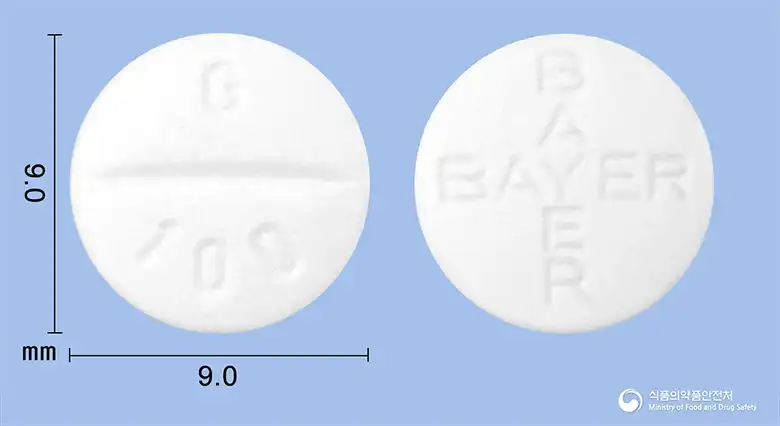
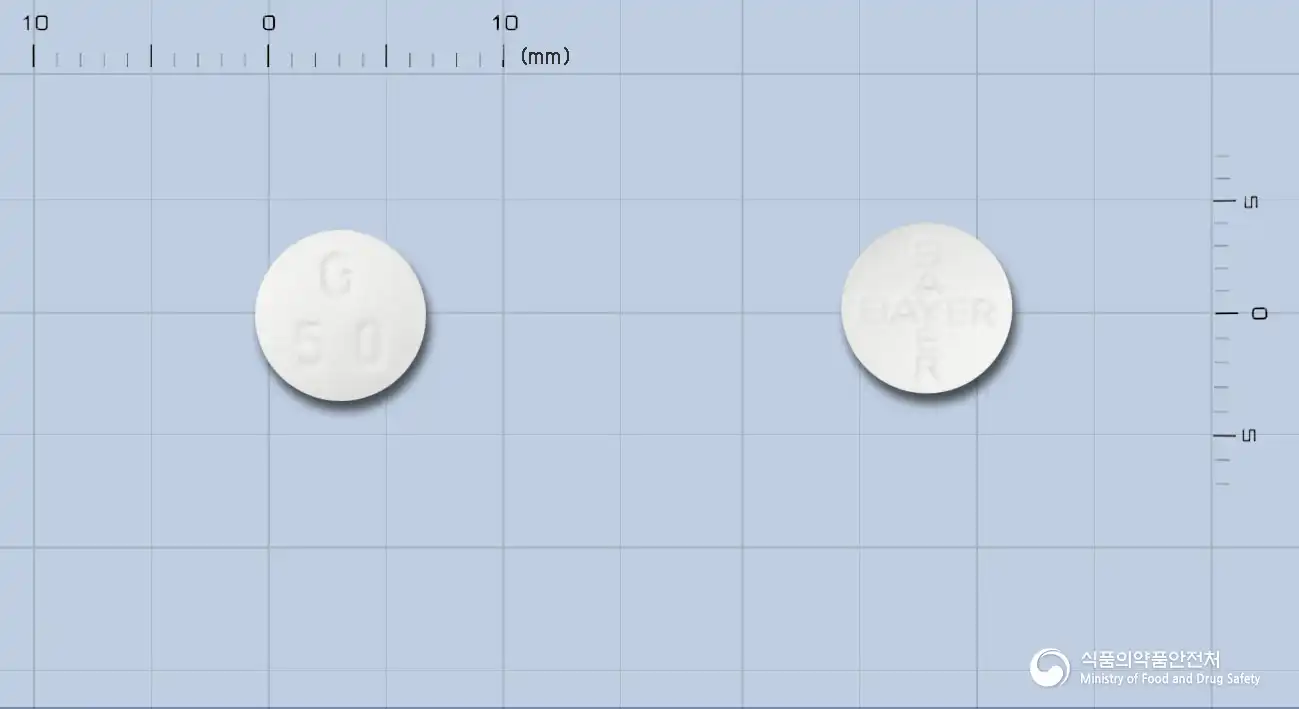
White or pale yellow round tablet
90 tablets/PTP
Even with the same ingredient, strength, dosage form and how it is taken can differ.
Even with the same ingredient, the dose and directions can differ by strength and dosage form. Talk to a doctor or pharmacist before switching from a medication you are already taking.
No questions yet.
For anything that needs medical judgment, consult a doctor or pharmacist.
This drug information is based on data provided by the Korea Ministry of Food and Drug Safety.
Consult a doctor or pharmacist for accurate dosage, administration, and usage instructions.