한국어
 English
 日本語
 中文(简体)
 Viewing now
Glucobai 100 mg (Acarbose)
Acarbose 100mg
Tablet · Prescription medication
HanDoc Co., Ltd.
MFDS item code 199900924 · Approved 1999.12.23 · Insurance code 652100060
Improvement of postprandial hyperglycemia in diabetes mellitus
This medication is used in patients with diabetes who have difficulty controlling blood sugar despite following a meal plan and exercise program. Furthermore, it also helps when blood sugar remains inadequately controlled even while receiving oral hypoglycemic agents or insulin therapy. It is effective in improving the rise in blood sugar after meals. This medication is used to assist in glucose control and reduce the risk of complications in such cases.
Because efficacy and tolerability vary among patients, the physician must determine the dose according to the patient's condition. The usual dosage is as follows. Initial: Adults—administer acarbose 50mg orally 3 times daily before meals. Next step: Administer this medicine 100mg 3 times daily before meals. The dose may be increased after 4-8 weeks and may be increased further if the patient's clinical response remains inadequate. If adverse effects worsen despite strict adherence to dietary therapy, the dose should not be increased and should be reduced if necessary. The average daily dose for adults is 300mg. If considered necessary, the dose may be increased to 200mg per administration, up to 3 times daily.
This medication helps to slow the digestion of carbohydrates, thereby moderating postprandial blood sugar spikes. However, those who have had an allergic reaction to any component of this medication should not take it. Individuals with very poor liver function or severe liver cirrhosis, as well as those with severe renal impairment, should not use this medication. Furthermore, it is not administered to patients in a state of severe ketoacidosis or diabetic coma, as well as before and after major surgeries or in those with severe infections or trauma. Patients with significant gastrointestinal disorders, intestinal obstruction, or inflammatory bowel disease who may experience worsened symptoms due to increased intestinal gas should also avoid this medication. Children and adolescents under 18 years of age, pregnant women or those who may become pregnant, and nursing mothers should also refrain from taking this medication for safety reasons. Those taking other hypoglycemic agents may have an increased risk of hypoglycemia; hence, it is essential to start with a very low dose and use it with caution. Care should also be exercised for individuals with gastrointestinal disorders or older adults, as they may experience gastrointestinal symptoms such as abdominal bloating, increased flatulence, and diarrhea while taking this medication. This medication can affect liver function, so regular liver function tests should be conducted for 6 to 12 months after starting the medication. In the event of hypoglycemia, it is best to consume glucose instead of sugar, and in severe cases of hypoglycemia, immediate medical attention should be sought. This medication is most effective when taken just before or with meals, and it is important to continue with dietary and exercise regimens. During treatment, patients should regularly monitor their blood sugar levels to check treatment efficacy and for potential side effects. In cases of overdose, abdominal bloating and diarrhea may occur, so caution is advised, and for 4 to 6 hours after overdose, it is advisable to avoid foods or drinks containing carbohydrates. This medication may interact with certain drugs, so if taking other medications, it is crucial to consult a doctor or pharmacist. Finally, this medication should be kept out of reach of children, and it is safest not to transfer it to other containers.
Not everyone experiences these, and they can vary from person to person.
This medication should be stored in a tightly sealed container to protect it from air and moisture, and it is best to keep it in a cool place below 25 degrees Celsius.
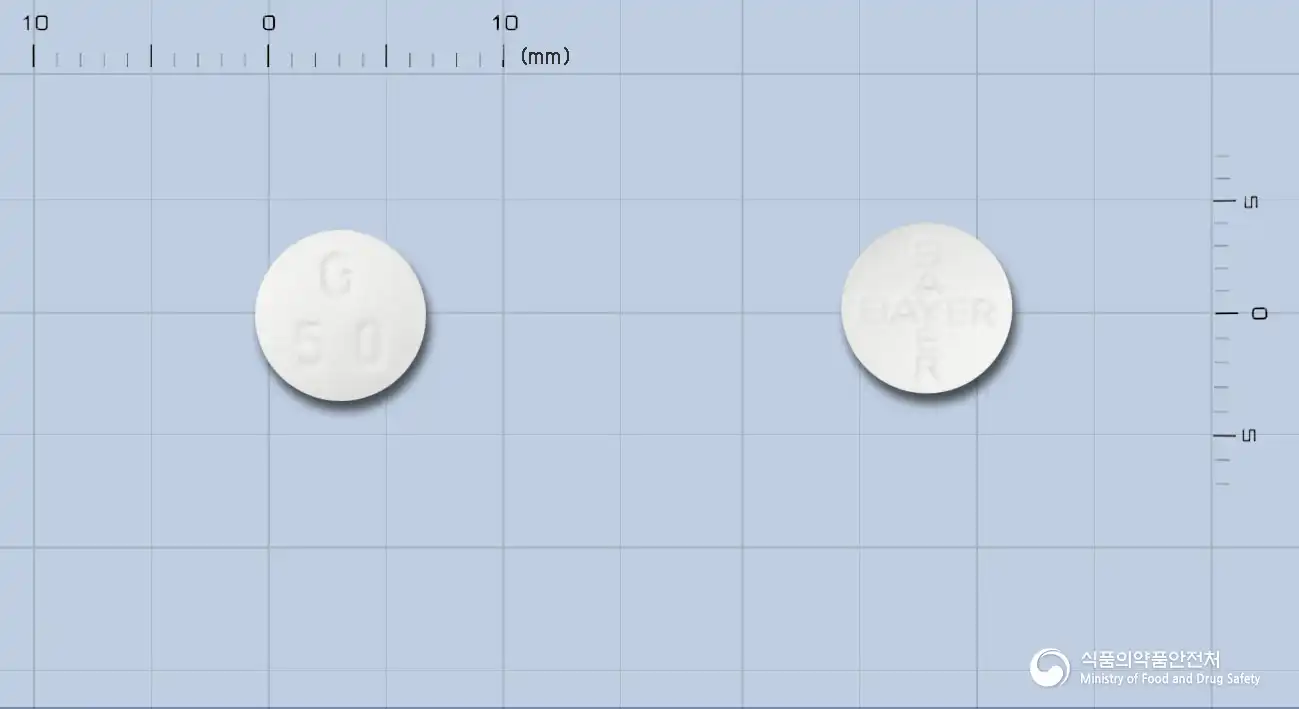
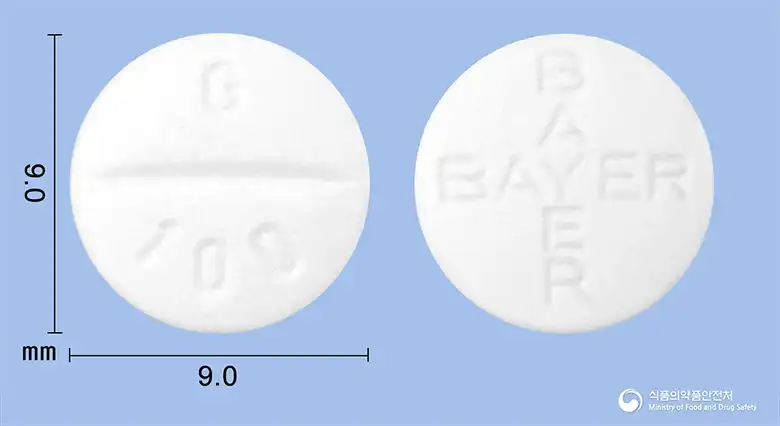
White or light yellow round tablet
90 tablets/PTP
Even with the same ingredient, strength, dosage form and how it is taken can differ.
Even with the same ingredient, the dose and directions can differ by strength and dosage form. Talk to a doctor or pharmacist before switching from a medication you are already taking.
No questions yet.
For anything that needs medical judgment, consult a doctor or pharmacist.
This drug information is based on data provided by the Korea Ministry of Food and Drug Safety.
Consult a doctor or pharmacist for accurate dosage, administration, and usage instructions.