
 한국어
 English
 日本語
 中文(简体)
 Viewing now
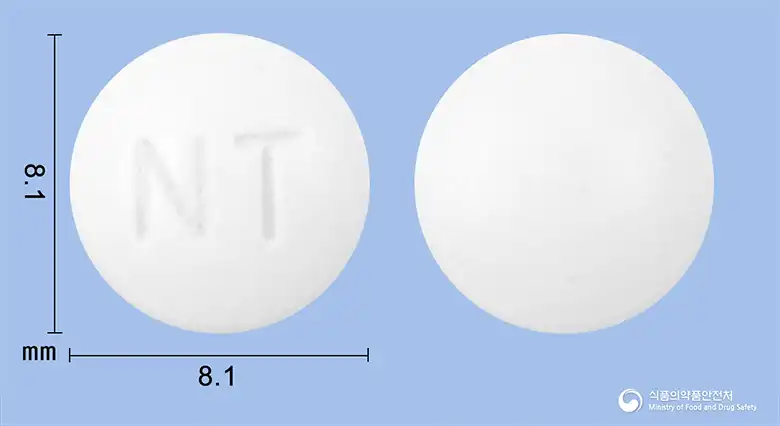
NATRI-X Sustained Release Tablets (Indapamide)
Indapamide 1.5mg
Tablet · Prescription medication
Youngjin Pharmaceutical Co., Ltd.
MFDS item code 199900835 · Approved 1999.01.22 · Insurance code 642400040
Treatment of essential hypertension
Essential hypertension refers to a condition where blood pressure is persistently high without a specific cause. This medication effectively stabilizes blood pressure and reduces the burden on blood vessels, protecting heart and vascular health. By managing essential hypertension, the risk of complications can be lowered. Thus, this medication is used for the treatment of essential hypertension.
Take 1 tablet in the morning. Taking a higher dose does not enhance the antihypertensive effect and only increases the diuretic effect; therefore, adhere to the dose. Swallow this medicine whole without chewing or splitting it.
This medication should not be used in patients with severely impaired kidney function or those who do not produce urine at all. It should not be administered to patients with severely disrupted electrolyte balance or hypersensitivity to this medication. Caution is also needed for patients with recent cerebrovascular damage or severe liver dysfunction. This medication contains lactose and is not suitable for patients with lactose intolerance. When using this medication, it should be administered carefully to elderly patients with cirrhosis or heart disease, or patients with liver disease. Special caution is necessary for patients with severe diarrhea or vomiting, hypercalcemia, or gout. Additionally, caution is required for patients taking certain medications or those who have undergone sympathetic nerve resection surgery. Allergic reactions such as hypersensitivity may manifest as the most common side effect of this medication. Hypokalemia, due to low potassium levels in the blood, may occur frequently, thus regular blood tests are needed. Hypokalemia can cause muscle weakness or cardiac arrhythmias, requiring particular caution. It is safer to start this medication at a low dose and gradually increase it, and adequate fluid intake and monitoring are needed to prevent dehydration or electrolyte imbalance. Patients with impaired liver function may need to discontinue use of this medication due to the risk of progressing to hepatic coma. Moreover, this medication may react sensitively to sunlight, so precautions against ultraviolet rays should be taken while using it. Regular monitoring of blood pressure and electrolyte levels is important, especially for the elderly and patients with cirrhosis, who should be checked more frequently. This medication may interact with various drugs, so if taking other medications, it is essential to consult a physician or pharmacist. Particular caution is needed when combined with heart medications, antihypertensives, antidiabetics, and gout medications. It is recommended to avoid using this medication during pregnancy, and it may also pass into breast milk, so administration should be avoided or breastfeeding should be stopped. Safety for children and adolescents has not been established, so use should be cautious. Elderly patients should adjust the dosage according to kidney function, and careful observation is required due to the risk of rapid blood pressure drops or thrombosis due to blood concentration. In cases of overdose, electrolyte abnormalities and dehydration symptoms may occur, necessitating immediate treatment at a healthcare facility. This medication should be stored out of reach of children, kept away from moisture, and tablets should be swallowed whole without chewing or breaking.
Allergy, asthma reaction, papular rash, hypokalemia, hyponatremia, hypochloremia, hypomagnesemia, hypercalcemia, dizziness, fatigue, headache, paresthesia, syncope, myopia, blurred vision, vision impairment, acute angle-closure glaucoma, choroidal effusion, arrhythmia, polymorphic ventricular tachycardia, hypotension, vomiting, nausea, constipation, thirst, pancreatitis, abnormal liver function, hepatic encephalopathy, hepatitis, hypersensitivity reaction, purpura, angioedema, urticaria, toxic epidermal necrolysis, Stevens-Johnson syndrome, acute disseminated erythematous lupus exacerbation, photosensitivity reaction, renal failure, muscle cramps, muscle weakness, myalgia, rhabdomyolysis, erectile dysfunction, QT prolongation on ECG, increased blood glucose, elevated serum uric acid, increased liver enzyme levels, nausea, hypotension, convulsions, dizziness, drowsiness, confusion, polyuria, nocturia
Not everyone experiences these, and they can vary from person to person.
This medication should be stored at room temperature between 15 and 25 degrees Celsius, paying attention to prevent moisture. It is also important to store it in a tightly sealed container to prevent air exposure.
White, round, sustained-release coated tablets
30 tablets/bottle, 300 tablets/bottle
Even with the same ingredient, strength, dosage form and how it is taken can differ.
Viewing nowIndapamide 1.5mg
Tablet · Prescription medication
Youngjin Pharmaceutical Co., Ltd.
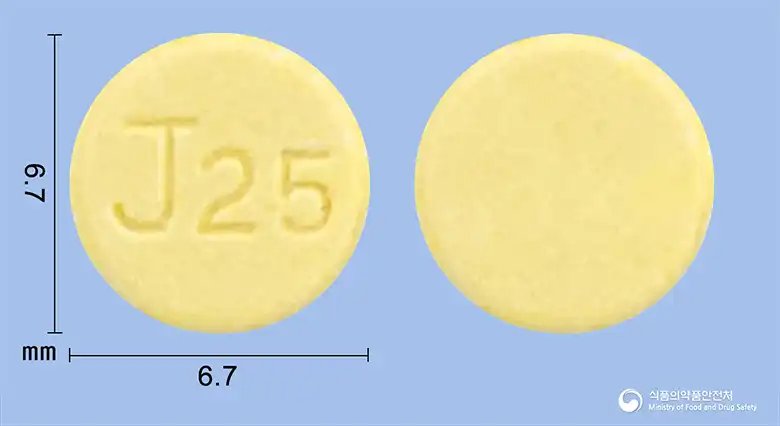
Indapamide 2.5mg
Tablet · Prescription medication
Jinyang Pharmaceutical Co., Ltd.

Indapamide 1.5mg
Tablet · Prescription medication
Korea Servier Co., Ltd.
Even with the same ingredient, the dose and directions can differ by strength and dosage form. Talk to a doctor or pharmacist before switching from a medication you are already taking.
No questions yet.
For anything that needs medical judgment, consult a doctor or pharmacist.
This drug information is based on data provided by the Korea Ministry of Food and Drug Safety.
Consult a doctor or pharmacist for accurate dosage, administration, and usage instructions.