
 한국어
한국어 English
 日本語
日本語 中文(简体)
Dosage form image
Viewing nowCombinationSeulgidam Liquid 50 Milligrams
Ursodeoxycholic Acid 50mg · Thiamine Nitrate 10mg +1 more
OTC medication · Combination
Samsung Pharmaceutical Co., Ltd.
MFDS item code 199900221 · Notified 1999.06.21
Improvement of chronic liver disease and liver function disorders (physical fatigue, general malaise, etc.)
This medication helps improve liver function damaged due to chronic liver disease. It also alleviates symptoms such as physical fatigue and general malaise caused by liver dysfunction, helping patients regain vitality in their daily lives. It is used as an effective treatment to maintain liver health and improve symptoms.
For capsules: 1 capsule per dose, 3 doses per day. For tablets: 1 tablet per dose, 3 doses per day. For gel: 1 packet per dose, 3 doses per day. For liquid: 1 bottle per dose, 3 doses per day.
This medication should not be taken by individuals with severe bile duct obstruction, acute hepatitis, or allergies to this drug or its ingredients. Women who are pregnant or potentially pregnant, as well as those who are breastfeeding, should also avoid this medication. It should not be used in children due to reports from animal studies indicating potential harm to the fetus. Individuals with inflammatory bowel diseases such as Crohn's disease, patients with radiolucent calcified gallstones, non-functional gallbladder patients, and acute cholecystitis patients should not take this medication. Those with kidney disease and patients with acute gastric or duodenal ulcers should avoid this medication as it may irritate the mucosa and exacerbate symptoms. During the use of this drug, caution is needed if taking medications such as tolbutamide (a diabetes treatment) due to the risk of enhanced effects. Medications such as cholestyramine, colestipol, medicinal charcoal, and antacids containing magnesium or aluminum hydroxide may interfere with the absorption of this drug, so they should not be taken together. Additionally, it is advisable not to take this drug in combination with medications that reduce cholesterol in the bile or blood, or medications that may cause liver damage. Individuals with severe pancreatic diseases or cholelithiasis must consult a doctor or pharmacist before taking this medication. If digestive symptoms such as diarrhea, nausea, vomiting, abdominal pain, constipation, heartburn, or discomfort in the upper abdomen occur during treatment, discontinuation is necessary and a specialist should be consulted. If allergic reactions such as itching or rash occur, immediate discontinuation and consultation are required. Discontinuation and consultation with a doctor should occur if symptoms such as general malaise, dizziness, calcification of the gallstones, elevated liver enzyme levels, or leukopenia arise. Furthermore, if symptoms such as fever, cough, or difficulty breathing are associated with suspected interstitial pneumonia, the medication should be discontinued immediately and medical attention sought. This medication must be taken according to the prescribed dosage and regimen, and immediate consultation with a specialist is necessary if adverse reactions occur. When storing, keep it in a safe place out of the reach of children, and do not transfer the medication to another container. Store the medication in its original container and tightly close the lid to maintain the drug's quality and prevent misuse.
Difficulty breathing (symptoms of interstitial pneumonia)
Not everyone experiences these, and they can vary from person to person.
This medication may interact with oral antidiabetic agents (tolbutamide), cholestyramine, colestipol, medicinal charcoal, and antacids containing magnesium and aluminum hydroxide. Additionally, caution is needed when taken with medications that reduce cholesterol in bile (estrogen-containing oral contraceptives) or medications that reduce blood cholesterol (clofibrate).
This medication may be sensitive to light, so it should be stored in a tightly sealed container that blocks light. Additionally, it is best to store the medication at room temperature between 1°C and 30°C. By doing so, the effectiveness of the medication can be preserved for a longer period.
Transparent yellow liquid
100 milliliters / bottle
Even with the same ingredient, strength, dosage form and how it is taken can differ.
Ursodeoxycholic Acid 50mg · Thiamine Nitrate 10mg +1 more
OTC medication · Combination
Samsung Pharmaceutical Co., Ltd.
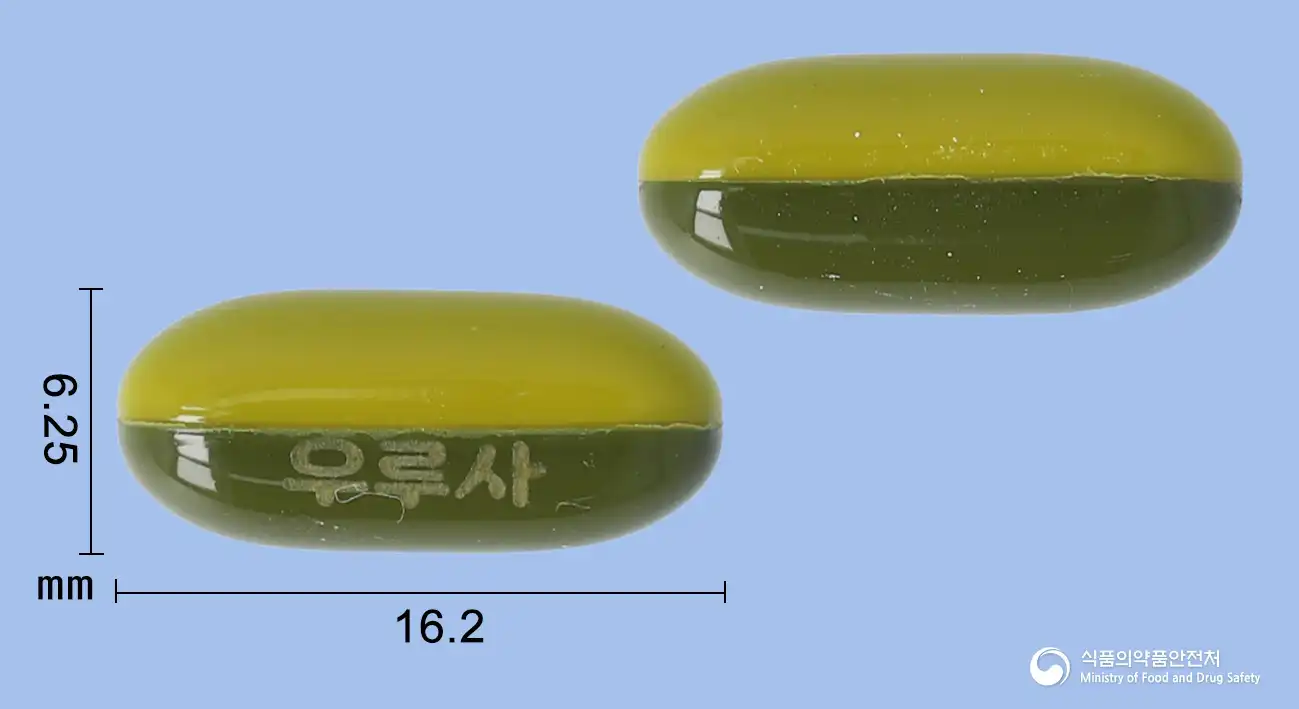 Combination
Ursodeoxycholic Acid 50mg · Thiamine Nitrate 10mg +1 more
Soft capsule · OTC medication · Combination
DAEWOONG PHARMACEUTICAL CO., LTD.
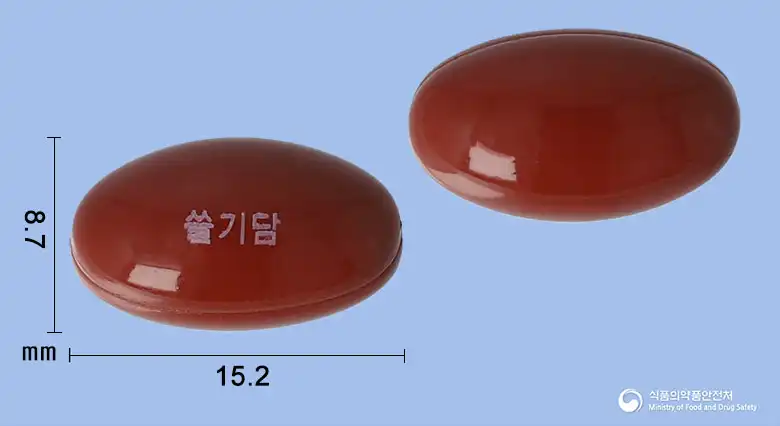 Combination
Ursodeoxycholic Acid 50mg · Thiamine Nitrate 10mg +1 more
Soft capsule · OTC medication · Combination
Samsung Pharmaceutical Co., Ltd.
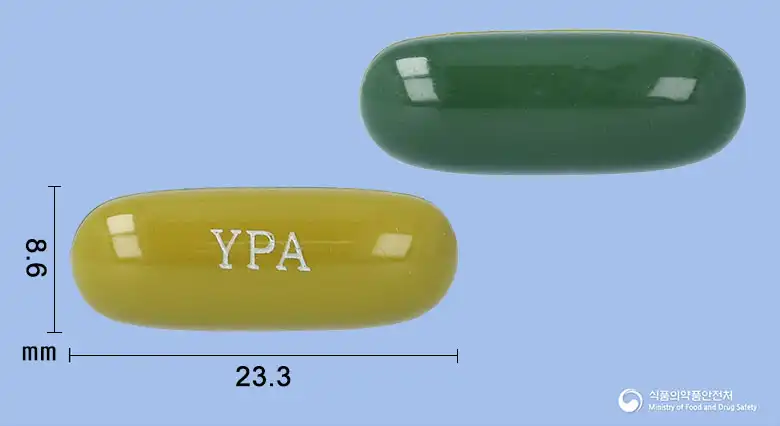 Combination
Ursodeoxycholic Acid 50mg · Thiamine Nitrate 10mg +1 more
Soft capsule · OTC medication · Combination
Youngpyung Pharmaceutical Co., Ltd.
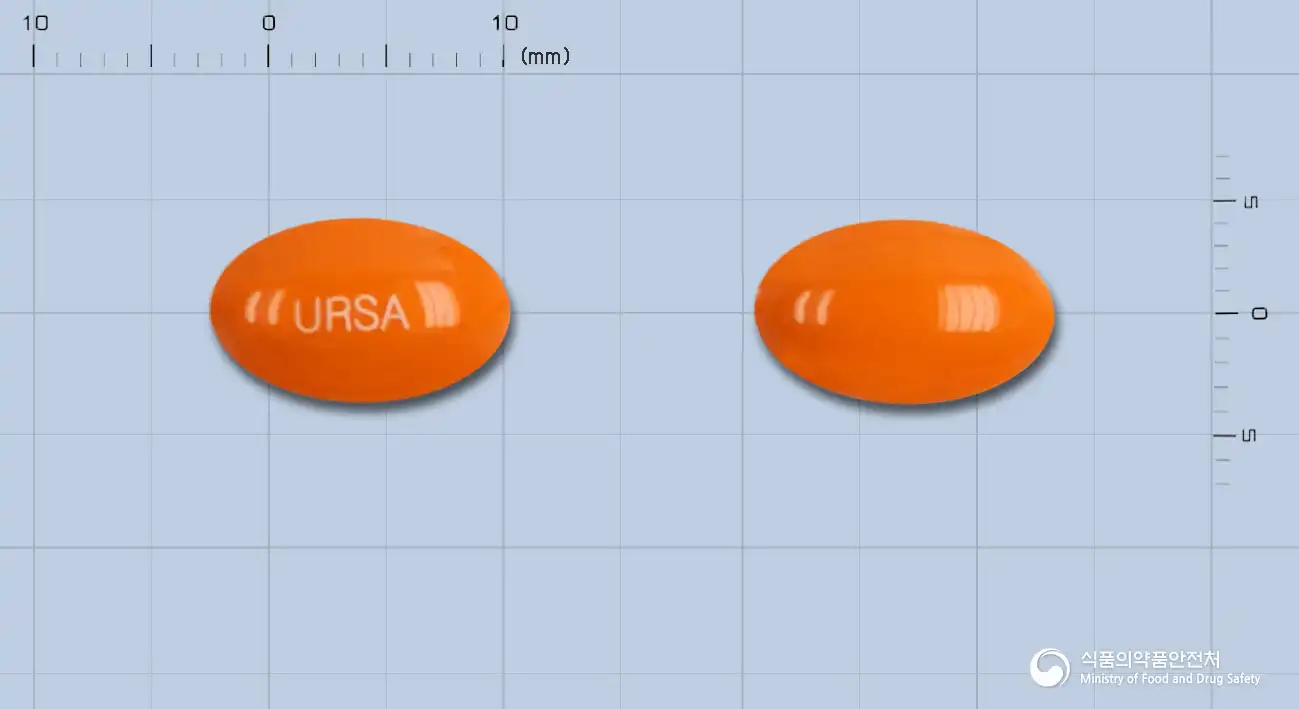 Combination
Ursodeoxycholic Acid 50mg · Thiamine Nitrate 10mg +1 more
Soft capsule · OTC medication · Combination
Daewoong Bio Co., Ltd.
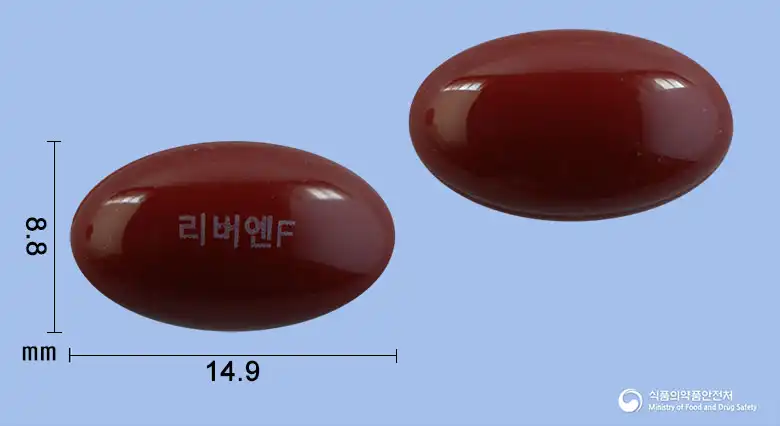 Combination
Ursodeoxycholic Acid 50mg · Thiamine Nitrate 10mg +1 more
Soft capsule · OTC medication · Combination
Seohung Co., Ltd.
Ursodeoxycholic Acid 50mg · Thiamine Nitrate 10mg +1 more
Soft capsule · OTC medication · Combination
Yuhan Corporation
Ursodeoxycholic Acid 50mg · Thiamine Nitrate 10mg +1 more
Solution · OTC medication · Combination
Dongwha Pharmaceutical Co., Ltd.
Even with the same ingredient, the dose and directions can differ by strength and dosage form. Talk to a doctor or pharmacist before switching from a medication you are already taking.
No questions yet.
For anything that needs medical judgment, consult a doctor or pharmacist.
This drug information is based on data provided by the Korea Ministry of Food and Drug Safety.
Consult a doctor or pharmacist for accurate dosage, administration, and usage instructions.