
 한국어
한국어 English
 日本語
日本語 中文(简体)
 Viewing now
Zitram XL Extended-Release Tablet 200 mg (Tramadol Hydrochloride)
Tramadol Hydrochloride 200mg
Tablet · Prescription medication
Korea Mundipharma Co., Ltd.
MFDS item code 199806741 · Approved 1998.12.05 · Insurance code 678000150
Relief of severe and moderate acute chronic pain (cancer, post-diagnostic and surgical)
This medication is used for severe and moderate acute chronic pain, particularly pain associated with various types of cancer and pain occurring after diagnosis or surgery.
Adults and children over 12 years old typically receive 150 mg of tramadol hydrochloride once daily. If sufficient pain relief is not achieved, the dosage may be increased. This medication should be administered with a 24-hour interval and swallowed whole without chewing. Gradually increasing the dosage is recommended to minimize temporary side effects. Unless indicated otherwise, do not exceed 400 mg of tramadol hydrochloride daily.
Caution is necessary as this medication may cause seizures if taken in excess of the recommended dose. Patients with a history of epilepsy or risk of seizures should use this medication only when absolutely necessary. Long-term use may lead to psychological and physical dependence, so patients with a history of drug abuse or dependence should be managed strictly for short periods. Additionally, concomitant use of this medication with central nervous system depressants such as sedatives, alcohol, or benzodiazepines can result in the risk of severe sedation, respiratory depression, hypotension, or coma, so great caution is necessary during co-administration. In patients with specific genotypes, metabolism may accelerate leading to increased toxic risk; thus, dosage adjustment or alternative medications should be considered in consultation with healthcare professionals. This medication should not be administered to children under 12 years old or to patients under 18 years of age who have undergone tonsillectomy or adenoidectomy. Patients with risk factors for sleep apnea or hypoxemia should regularly monitor for symptom worsening while on this medication, and dosage should be reduced or discontinued if necessary. This medication should not be used in cases of acute alcohol intoxication, central nervous system drug overdose, severe respiratory depression, head injury, or in patients taking MAO inhibitors. Pregnant and breastfeeding women should not take this medication, especially nursing mothers, as the drug may pass into breast milk and pose risks to the infant. Drowsiness and dizziness may occur during this treatment; therefore, driving or operating dangerous machinery should be avoided. Long-term use may result in tolerance requiring higher doses, and abrupt discontinuation may cause withdrawal symptoms, so it should be tapered. Furthermore, this medication can interact with several other drugs, thus informing healthcare professionals about other medications being taken is essential. In cases of overdose, severe respiratory depression and seizures may occur, requiring immediate emergency care, and an antidote such as naloxone may be necessary. Finally, store this medication out of the reach of children, and keep it in its original container to prevent misuse or quality deterioration.
Seizures, hives, severe swelling (edema), chest tightness, difficulty breathing, cold sweat, pallor, severe allergic reactions, severe skin reactions (including Stevens-Johnson syndrome), convulsions, anaphylaxis, respiratory depression, severe breathing difficulties, asthma attacks, respiratory issues, liver abnormalities (elevated liver enzymes, jaundice-like symptoms), sudden and very severe headaches, altered consciousness, visual disturbances, paralysis, serious neurological symptoms.
Not everyone experiences these, and they can vary from person to person.
This medication should be stored in a tightly sealed container to prevent exposure to air and moisture, and it is best kept at room temperature between 1 and 30 degrees Celsius. Storing it this way will help maintain the drug's effectiveness and prevent degradation.
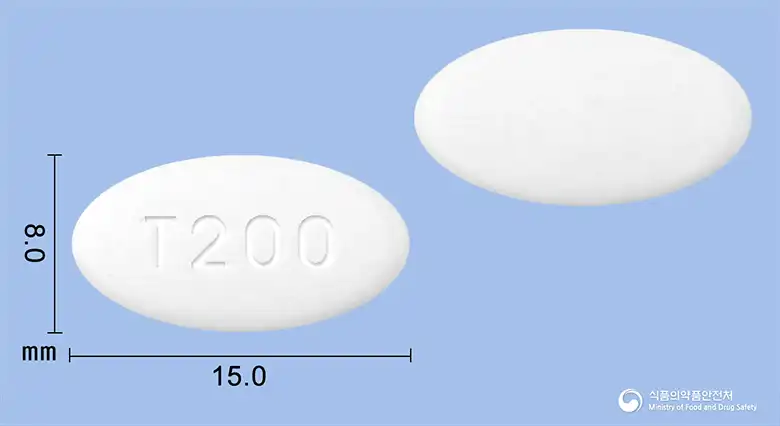
White film-coated oval extended-release tablet
30 tablets/bottle
Even with the same ingredient, strength, dosage form and how it is taken can differ.
Viewing nowTramadol Hydrochloride 200mg
Tablet · Prescription medication
Korea Mundipharma Co., Ltd.
Tramadol Hydrochloride 50mg
Prescription medication
(Yuhan Corporation)

Tramadol Hydrochloride 50mg
Hard capsule · Prescription medication
Yuhan Corporation
Tramadol Hydrochloride 50mg
Injections · Prescription medication
Hanol BioPharma Co., Ltd.
Tramadol Hydrochloride 50mg
Prescription medication
Il Sung IS Co., Ltd.
Tramadol Hydrochloride 100mg
Prescription medication
Il Sung IS Co., Ltd.
Tramadol Hydrochloride 50mg
Prescription medication
Ilseong IS Co., Ltd.
Tramadol Hydrochloride 50mg
Injections · Prescription medication
Donggwang Pharmaceutical Co., Ltd.
Even with the same ingredient, the dose and directions can differ by strength and dosage form. Talk to a doctor or pharmacist before switching from a medication you are already taking.
No questions yet.
For anything that needs medical judgment, consult a doctor or pharmacist.
This drug information is based on data provided by the Korea Ministry of Food and Drug Safety.
Consult a doctor or pharmacist for accurate dosage, administration, and usage instructions.