
 한국어
 English
 日本語
 中文(简体)
Dosage form image
Viewing nowNicotine El TTS 10 (Nicotine)
Nicotine 17.5mg
Patch · OTC medication
GP Therapeutics Korea Co., Ltd.
MFDS item code 199806462 · Notified 1998.04.30
Smoking cessation aid
This medication is used as an adjunct therapy to help with smoking cessation. It assists in alleviating withdrawal symptoms caused by smoking, thus increasing the success rate of quitting. Regular use supports a desire to quit and helps maintain effective cessation. Therefore, this medication is very useful for individuals planning and working to quit smoking.
Adults: Apply 1 patch once daily to a hairless area of the body (such as the inner arm or buttock), changing the application site every day. Nicotinell TTS 30 is generally for smokers who smoke more than 20 cigarettes a day, and Nicotinell TTS 20 is for smokers who smoke up to 20 cigarettes a day. Nicotinell TTS 10 is used in the final step to reduce nicotine replacement. The following schedule is generally used. - Heavy smokers: Start with Nicotinell TTS 30, followed by Nicotinell TTS 20, and then Nicotinell TTS 10, using each for 4 weeks. - Moderate smokers: Use Nicotinell TTS 20 for 8 weeks, followed by Nicotinell TTS 10 for 4 weeks. Treatment should not exceed 3 months. If smoking cessation is not successful after 3 months of treatment, discontinue treatment for the time being and then try smoking cessation treatment again.
This medication should only be used by patients who are determined to quit smoking, and smoking during use may have harmful effects on the heart and blood vessels. Individuals with allergies to any components of this medication, those with chronic skin conditions, those with cardiac or cerebrovascular diseases, pregnant women, nursing mothers, children and adolescents under 18 years of age, non-smokers, and those who smoke temporarily should not use this medication. In particular, pregnant women should consult a doctor before use, even if they have failed to quit smoking, as nicotine may affect the fetus, and it is safer not to use this medication while breastfeeding. Patients with gastritis or gastric ulcers, cardiac diseases, reduced kidney or liver function, diabetes, or thyroid dysfunction should consult a doctor or pharmacist before using this medication. If any unusual symptoms such as dizziness, headaches, skin rashes, itching, chest pain appear while using this medication, immediate discontinuation should be considered, and consultation with a healthcare professional is advised. Using multiple patches simultaneously or storing the medication where children can access it can result in serious poisoning symptoms, so caution is advised. Additionally, since this medication contains a high concentration of nicotine, it can be very dangerous for children, so it must be stored out of reach of children, away from direct sunlight, and in a cool, dry place. Before undergoing MRI examinations, the patch applied to the skin must be removed, and the medication should not be transferred to another container. Lastly, if this medication is used while taking other medications, consultation with a doctor is necessary to be aware of potential drug interactions.
Dizziness, headache, sleep disorders, decreased concentration, fatigue, anxiety, irritability, increased appetite, erythema, itching, edema, burning sensation, vesicles, skin rash, constriction, infiltration, restlessness, hyperesthesia, insomnia, abnormal dreams, movement disorders, attention deficit, daytime drowsiness, emotional instability, hypersensitivity, depression, confusion, tremors, palpitations, hypertension, flushing, chest pain, shortness of breath, arrhythmia, cough, upper respiratory infection, nausea, abdominal pain, indigestion, vomiting, constipation, diarrhea, abdominal distension, dry mouth, sweating, pain and discomfort at the application site, skin depigmentation, dermatitis, myalgia, arthritis, asthenia, arthralgia, muscle spasms, low back pain, urticaria, rash, angioedema, anaphylactic reaction, pallor, sweating, excessive salivation, nausea, abdominal cramps, auditory and visual disturbances, mental confusion, muscle weakness, neurological response disorders, hypotension, weak and irregular pulse, circulatory failure, convulsions, collapse, shortness of breath
Not everyone experiences these, and they can vary from person to person.
This medication may interact with paracetamol, caffeine, imipramine, oxazepam, pentazocine, propranolol, theophylline, warfarin, estrogen, lignocaine, phenacetin, insulin, adrenergic antagonists (such as prazosin, labetalol), flecainide, adrenergic agonists (such as isoprenaline, phenylephrine), propoxyphene, furosemide diuretics, H2 antagonists, beta-blockers, tacrine, clozapine, and ropinirole when used together.
This medication should be stored in a tightly sealed container to protect it from exposure to air or moisture. Additionally, it is best to store the medication at room temperature between 1°C and 30°C. Proper storage helps maintain the efficacy and safety of the medication.
A round patch with a diameter of 36 mm featuring a brownish supporting layer on top and a yellow release membrane on the bottom
7 patches per pack
Even with the same ingredient, strength, dosage form and how it is taken can differ.
Nicotine 17.5mg
Patch · OTC medication
GP Therapeutics Korea Co., Ltd.
Nicotine 14mg
OTC medication
Samyang Biopharm Co., Ltd.
Nicotine 28mg
OTC medication
Samyang Biopharm Co., Ltd.
Nicotine 42mg
OTC medication
Samyang Biopharm Co., Ltd.
Nicotine 35mg
Patch · OTC medication
GP Therapeutics Korea Co., Ltd.
Nicotine 52.5mg
Patch · OTC medication
G-P Therapeutics Korea Co., Ltd.
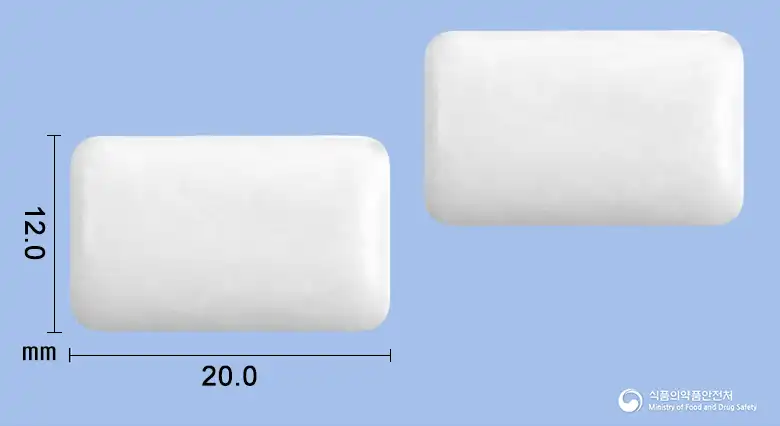
Nicotine 2mg
OTC medication
GPT Therapeutics Korea Co., Ltd.
Nicotine
OTC medication
Sae Han Pharmaceutical Co., Ltd.
Even with the same ingredient, the dose and directions can differ by strength and dosage form. Talk to a doctor or pharmacist before switching from a medication you are already taking.
No questions yet.
For anything that needs medical judgment, consult a doctor or pharmacist.
This drug information is based on data provided by the Korea Ministry of Food and Drug Safety.
Consult a doctor or pharmacist for accurate dosage, administration, and usage instructions.