
 한국어
한국어 English
 日本語
日本語 中文(简体)
 Viewing now
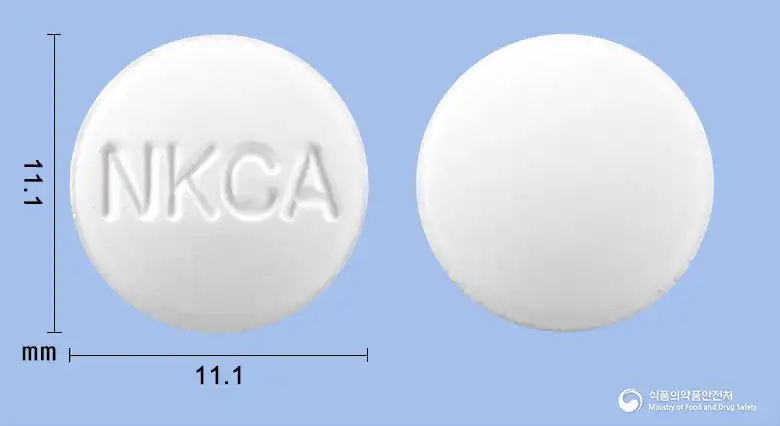
Nexpam Calcium Carbonate Tablet (Precipitated Calcium Carbonate)
Precipitated Calcium Carbonate 500mg
Tablet · OTC medication
Nexpam Korea Co., Ltd.
MFDS item code 199804362 · Notified 1998.11.20 · Insurance code 662500360
Efficacy for gastric and duodenal ulcers and gastritis (antacid effect, symptom relief) and calcium supplementation effect
This medication acts as an antacid to relieve symptoms such as gastric and duodenal ulcers, gastritis, and heartburn caused by excessive gastric acid. Additionally, it helps maintain bone health through calcium supplementation. Therefore, it is effectively used for gastrointestinal disorders and calcium deficiency issues.
1. For gastric and duodenal ulcers, gastritis, and excessive gastric acid: Administer calcium carbonate at 1-5g orally, divided into 3-4 doses per day. 2. For calcium supplementation: Administer 1.5-3g orally, divided into 1-2 doses per day. Adjust as appropriate based on age and symptoms.
This drug should not exceed 7.5 grams per day. Patients with severe hypercalcemia or hypercalciuria, patients with hyperparathyroidism or hypothyroidism, patients with severe renal failure, and patients with achlorhydria should not use this medication. Also, as it contains lactose, patients with lactose intolerance or certain genetic metabolic disorders should not take this drug. Patients with poor kidney function or problems with heart or lung function, constipated individuals, and those taking other medications should use this drug carefully. Gastrointestinal symptoms such as nausea, constipation, or diarrhea may occur during use, and, rarely, excessive gastric acid secretion may happen. Taking high doses can lead to elevated blood calcium levels or alkaline blood symptoms. Long-term or excessive use may increase the risk of kidney stones or urinary stones. Hypersensitivity reactions, such as itching, may also occur, so caution is advised. Be sure to adhere to the prescribed dosage, and when administering to children, it should be done under the supervision of a guardian. If symptoms do not improve after taking it for more than two weeks, discontinue use and consult a doctor or pharmacist. This medication can interfere with the absorption of tetracycline antibiotics, so it is advisable not to take them together. Additionally, this medication may alter the gastrointestinal environment, affecting the absorption or excretion of other drugs, so caution is advised. Taking it frequently with milk may lead to milk-alkali syndrome such as hypercalcemia, so watch for symptoms and discontinue use if abnormalities occur. Caution is necessary when taken with vitamin D or diuretics as it may increase blood calcium levels.
Not everyone experiences these, and they can vary from person to person.
Do not take this medication with tetracycline antibiotics. Consult a doctor or pharmacist if taking vitamin D, thiazide diuretics, or other medications.
This medication may cause milk-alkali syndrome (hypercalcemia, hypernitrogenemia, alkalosis, etc.) when taken with large amounts of milk. Consult a doctor or pharmacist.
This medication should be stored in a tightly sealed container to prevent air and moisture ingress, preferably at room temperature between 1°C and 30°C. Proper storage will help maintain the drug's efficacy and prevent deterioration.
White round tablet
1000 tablets/bottle, 500 tablets/bottle
Even with the same ingredient, strength, dosage form and how it is taken can differ.
Viewing nowPrecipitated Calcium Carbonate 500mg
Tablet · OTC medication
Nexpam Korea Co., Ltd.
Precipitated Calcium Carbonate 750mg
Tablet · OTC medication
Korea Hyutecs Pharmaceutical Co., Ltd.
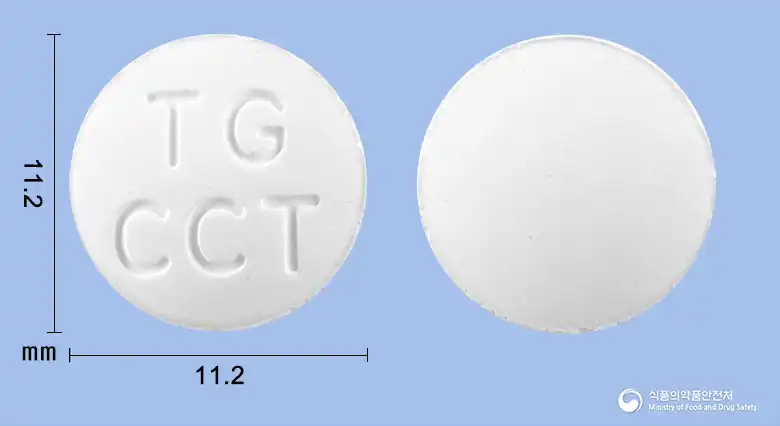
Precipitated Calcium Carbonate 500mg
Tablet · OTC medication
Taegeuk Pharmaceutical Co., Ltd.
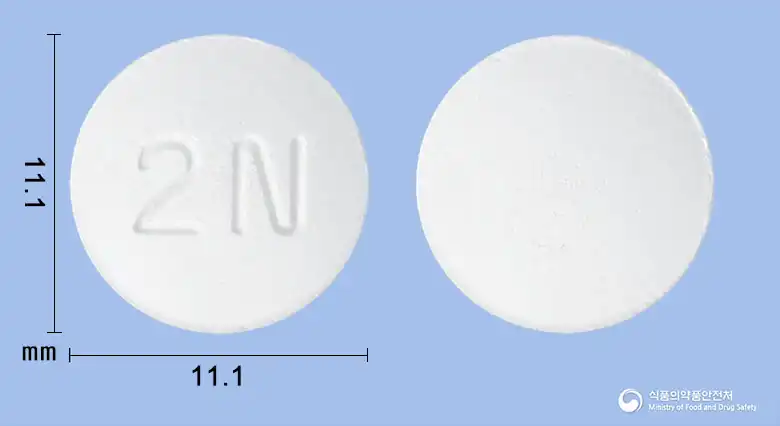
Precipitated Calcium Carbonate 500mg
Tablet · OTC medication
Eden Pharma Co., Ltd.
Even with the same ingredient, the dose and directions can differ by strength and dosage form. Talk to a doctor or pharmacist before switching from a medication you are already taking.
No questions yet.
For anything that needs medical judgment, consult a doctor or pharmacist.
This drug information is based on data provided by the Korea Ministry of Food and Drug Safety.
Consult a doctor or pharmacist for accurate dosage, administration, and usage instructions.