
 한국어
한국어 English
 日本語
日本語 中文(简体)
 Viewing now
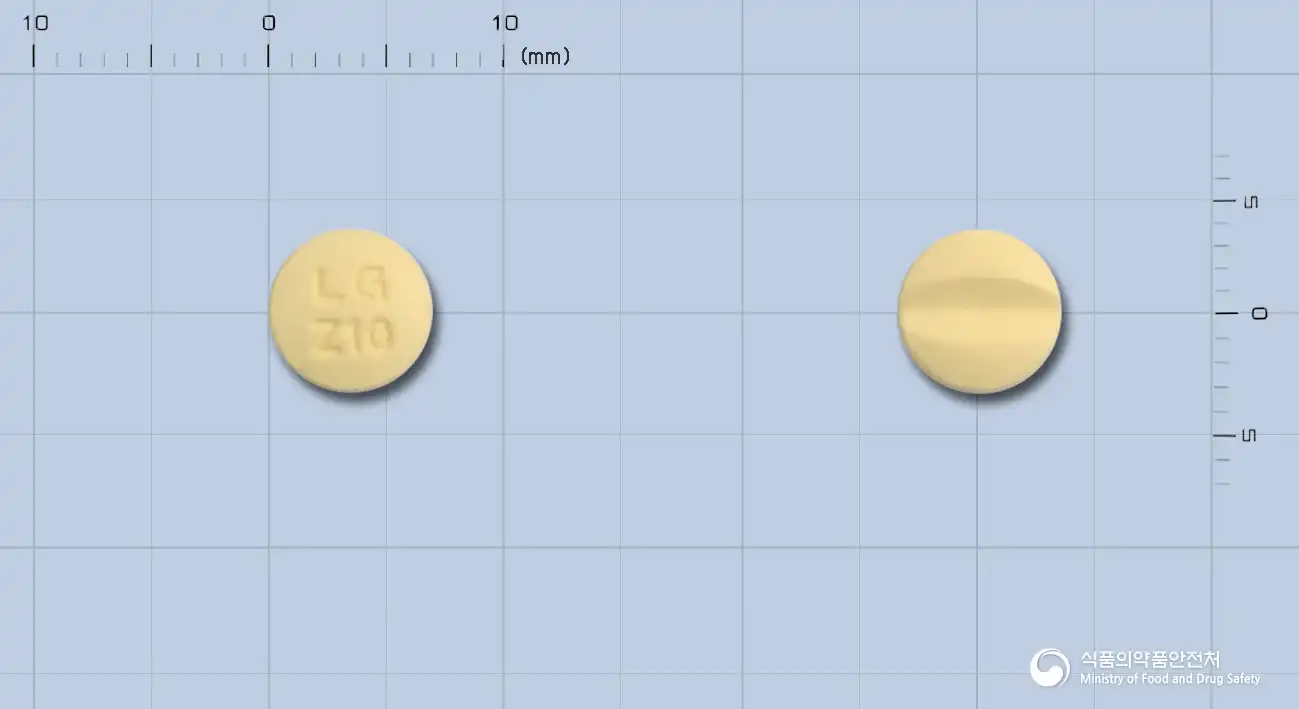
Zanideep Tablets (Lercanidipine Hydrochloride)
Lercanidipine Hydrochloride 10mg
Tablet · Prescription medication
LG Chem, Ltd.
MFDS item code 199803145 · Approved 1998.10.23 · Insurance code 668900990
Improvement of mild to moderate essential hypertension
This medication is used to effectively treat essential hypertension corresponding to mild to moderate levels.
Lercanidipine Hydrochloride 5 to 10 mg orally once daily, at least 15 minutes before meals. The dose may be increased up to 20 mg based on the patient's symptoms. Dose adjustments should be gradual as the maximum antihypertensive effect typically takes about 2 weeks to become apparent. Caution is required when starting treatment in elderly patients. Patients with liver or kidney impairment require special attention during initiation, and doses may be increased to 20 mg daily.
This medicine should not be used in certain patients. For example, patients with allergies to this drug or similar medications, pregnant or breastfeeding women, patients with impaired blood flow from the left ventricle, untreated heart failure patients, patients with unstable angina, patients with severe liver or kidney dysfunction, patients who have recently experienced a myocardial infarction, patients undergoing dialysis, children and adolescents under 18, and patients with genetic issues such as lactose intolerance should not take this medication. Furthermore, care should be taken when prescribing this medication to some patients. For instance, those with abnormalities in cardiac pacemakers, left ventricular functional issues, those with ischemic heart disease, patients with mild liver or kidney impairment, those with a history of angina, individuals who frequently consume alcohol, and elderly patients should use this medication cautiously. While taking this medicine, various side effects may occur. Symptoms may include facial flushing, body swelling, rapid heartbeat, low blood pressure, headaches, dizziness, fatigue, indigestion, nausea, abdominal pain, diarrhea, and there may be liver function abnormalities, thus requiring regular monitoring of liver condition. Rarely, symptoms like oral swelling, skin rashes, and muscle pain may also occur. Discontinuation of this drug should be done gradually to avoid aggravating symptoms, and caution is necessary when driving or operating machinery due to dizziness or drowsiness. Additionally, as this drug is metabolized in the liver, it can interact with certain medications affecting its efficacy. Therefore, care should be taken when using it in combination with specific antifungals, antibiotics, anticonvulsants, and immunosuppressants, and it should be avoided with grapefruit juice as it may increase blood concentration. Alcohol should also be avoided as it can amplify the blood pressure-lowering effect. Pregnant or breastfeeding women should not take this medication, and it is not for use by children or adolescents under 18 years old. Special care is needed when initiating treatment in elderly patients. In case of overdose, blood pressure may drop too low and heart rhythms may be affected, requiring immediate medical assistance and cardiovascular monitoring for at least 24 hours. Lastly, this medicine should be kept out of the reach of children, and it is advisable not to transfer it to another container.
Cold sweats
Not everyone experiences these, and they can vary from person to person.
This medicine should be stored in a tightly sealed container to protect it from air and moisture. It is recommended to maintain a storage temperature between 1 degree and 30 degrees Celsius at room temperature to safely preserve the drug's efficacy.
Yellow round film-coated tablets
100 tablets (10 tablets/PTP x 10), 500 tablets/bottle
Even with the same ingredient, strength, dosage form and how it is taken can differ.
Viewing nowLercanidipine Hydrochloride 10mg
Tablet · Prescription medication
LG Chem, Ltd.
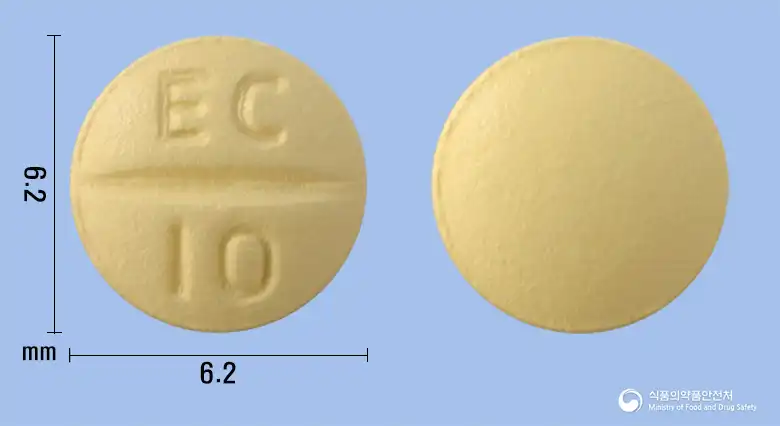
Lercanidipine Hydrochloride 10mg
Tablet · Prescription medication
Jongkundang Co., Ltd.
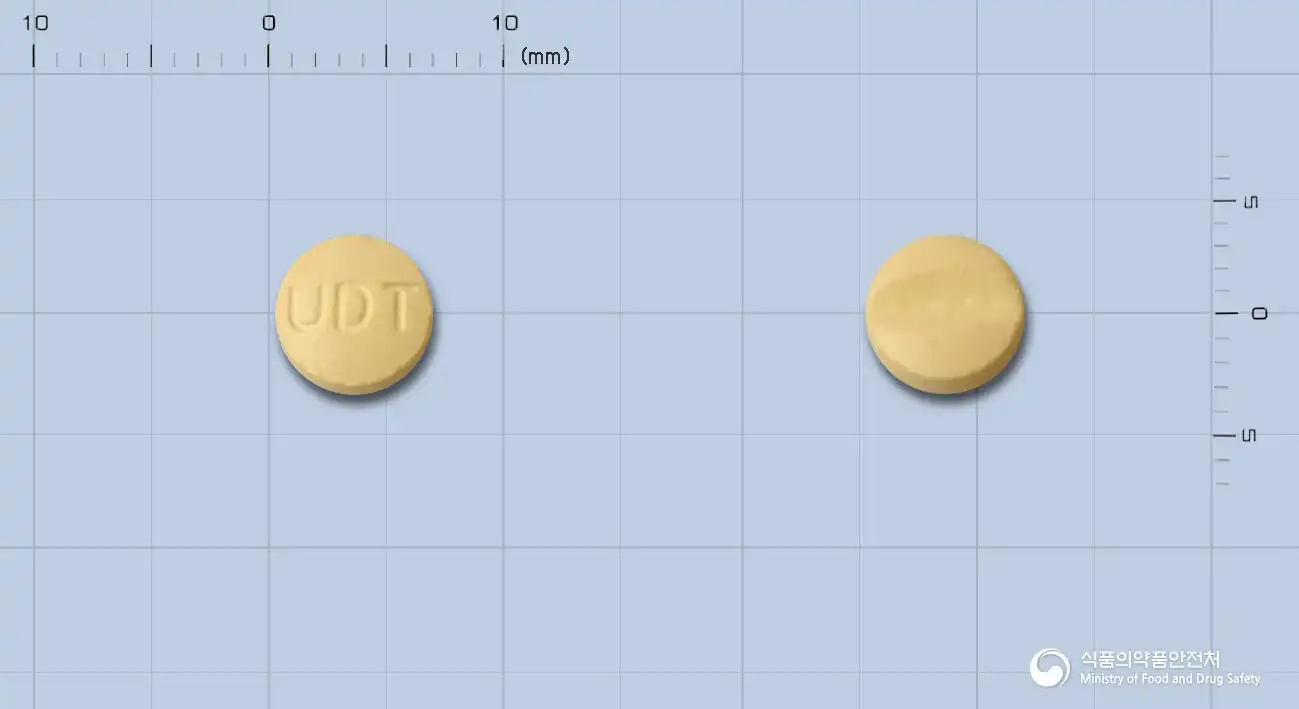
Lercanidipine Hydrochloride 10mg
Tablet · Prescription medication
Yuyu Pharmaceutical Co., Ltd.
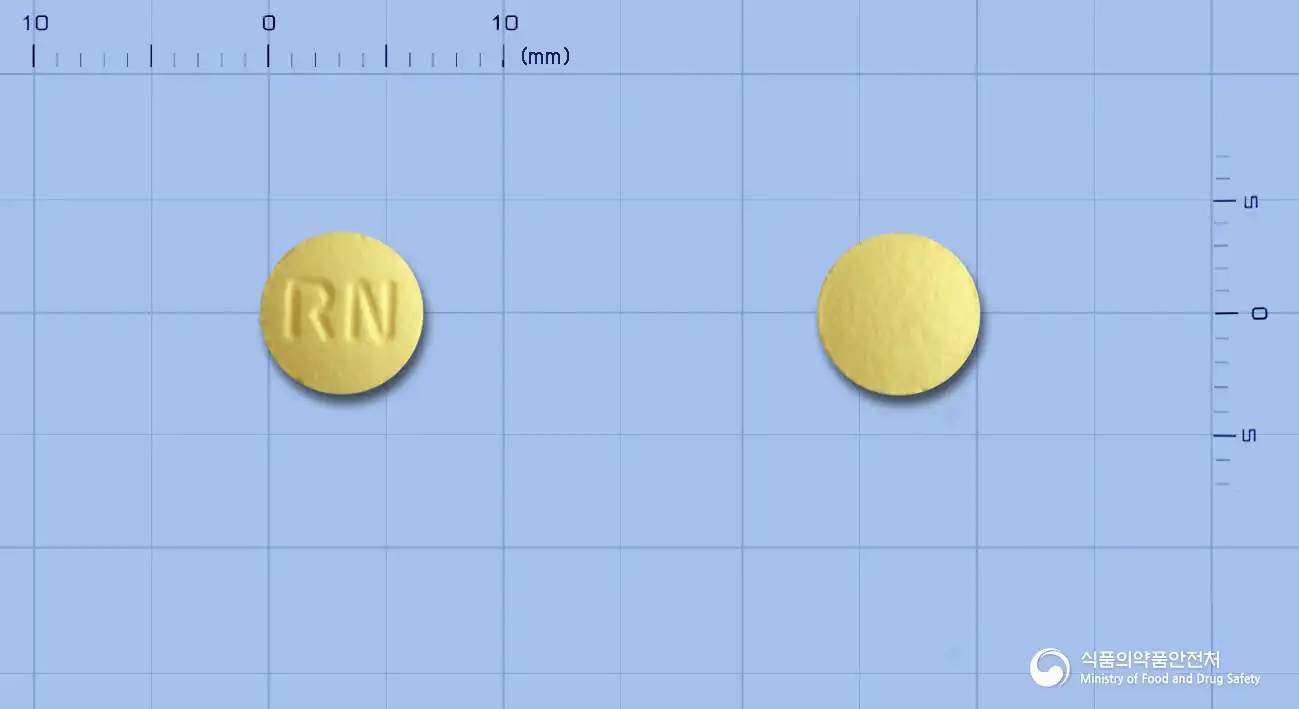
Lercanidipine Hydrochloride 10mg
Tablet · Prescription medication
Samsung Pharmaceutical Co., Ltd.
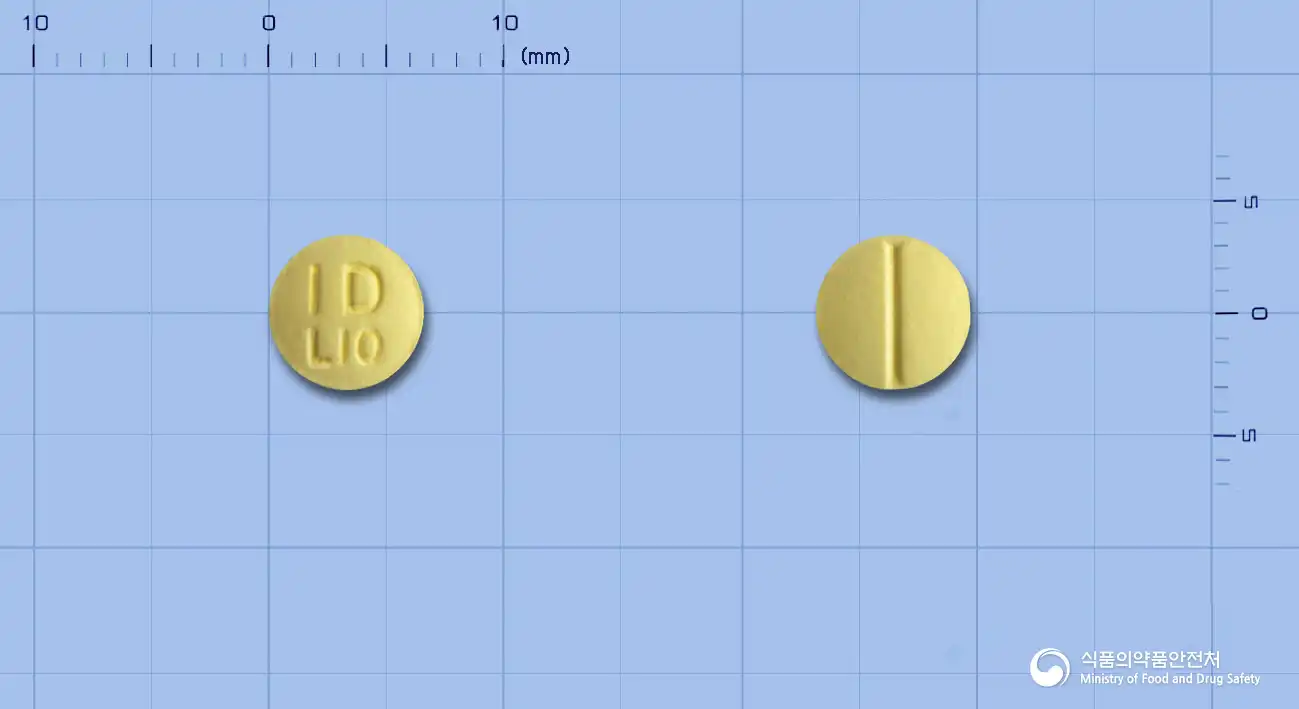
Lercanidipine Hydrochloride 10mg
Tablet · Prescription medication
Ildong Pharmaceutical Co., Ltd.
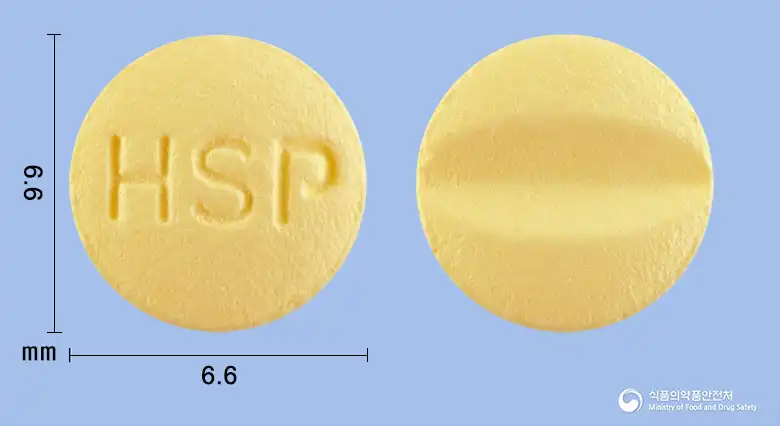
Lercanidipine Hydrochloride 10mg
Tablet · Prescription medication
Celltrion Pharmaceutical Co., Ltd.
Lercanidipine Hydrochloride 10mg
Tablet · Prescription medication
Yuhan Corporation
Lercanidipine Hydrochloride 10mg
Tablet · Prescription medication
Kolon Pharmaceutical Co., Ltd.
Even with the same ingredient, the dose and directions can differ by strength and dosage form. Talk to a doctor or pharmacist before switching from a medication you are already taking.
No questions yet.
For anything that needs medical judgment, consult a doctor or pharmacist.
This drug information is based on data provided by the Korea Ministry of Food and Drug Safety.
Consult a doctor or pharmacist for accurate dosage, administration, and usage instructions.