
 한국어
한국어 English
 日本語
日本語 中文(简体)
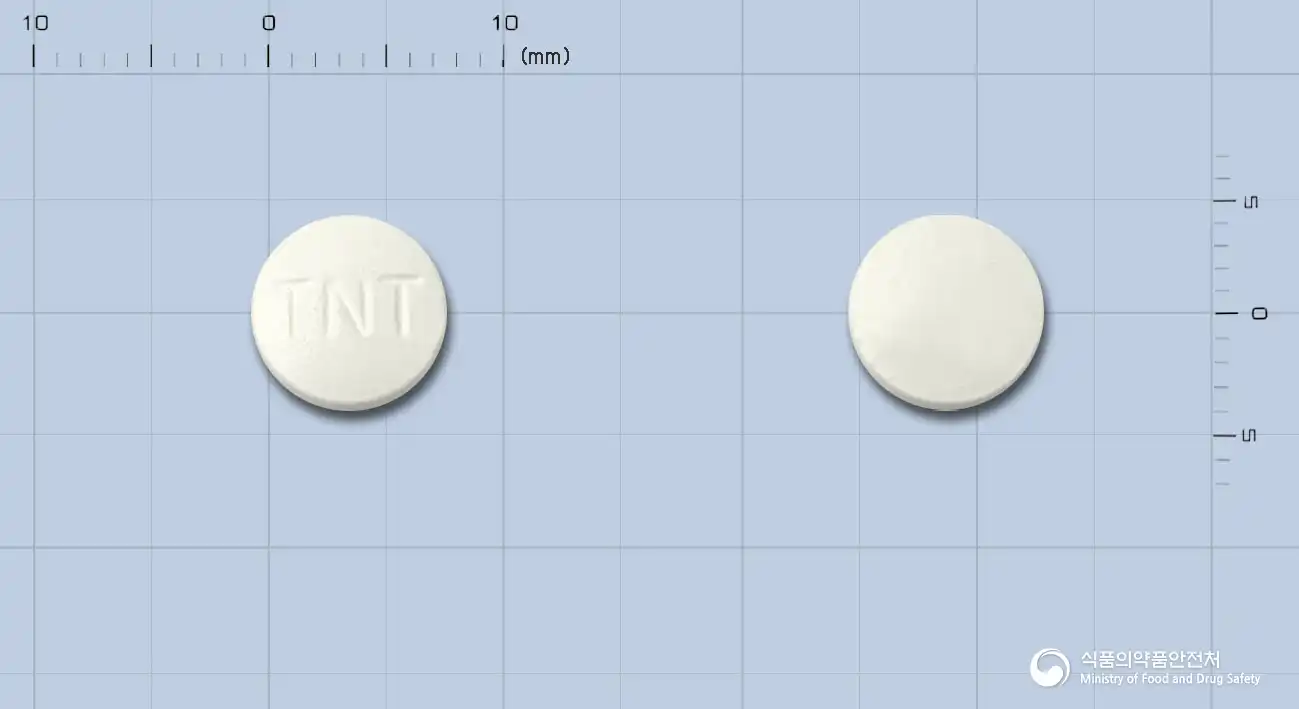
Dosage form image
Viewing nowCombinationAtolmin-S Tablets
Atenolol · Chlorthalidone
Prescription medication · Combination
Youngpoong Pharmaceutical Co., Ltd.
MFDS item code 199802769 · Notified 1998.08.21
This product's status changed to Approval withdrawn on 2023.09.05. It may no longer be sold, so consult a doctor or pharmacist before taking it.
Effectiveness in hypertension control and prevention of cardiovascular complications
This medication is mainly used for the treatment of hypertension.
For adults, take 1 tablet by mouth once daily. For patients with renal impairment, the dose should be reduced or the dosing interval extended. The dose of atenolol should be adjusted according to creatinine clearance: - 15-35 mL/min/1.73 m²: 50 mg daily - Less than 15 mL/min/1.73 m²: 50 mg every other day. Adjust the dosage according to age and symptoms.
This medication should not be used in patients who are allergic to sulfonamide drugs or have certain heart diseases, severe hypotension or metabolic acidosis. Also, pregnant or breastfeeding women, and patients with hereditary lactose intolerance should not take this medication. Patients with respiratory diseases such as heart failure or asthma should use this medication cautiously, and those with severely impaired liver or kidney function should be careful. While using this medication, electrolyte imbalance, heart rhythm abnormalities, liver function abnormalities, or neurological symptoms may occur, so if any condition worsens, immediately discontinue use and consult a physician. Furthermore, abruptly stopping the medication can worsen heart conditions, so it should be tapered according to a doctor's instructions. This medication may interact with other drugs, so if any medications are currently being taken, it is important to inform the doctor or pharmacist. Pregnant or breastfeeding women should avoid taking it or consult a specialist due to potential effects on the fetus or infant. Safety in children has not been established, so it is advisable not to use it. Overdosage may result in decreased heart rate, hypotension, heart failure, bronchospasm, etc., requiring immediate medical attention. Lastly, this medication should be kept out of the reach of children and stored in its original container to maintain its safety and efficacy.
Not everyone experiences these, and they can vary from person to person.
This medication can be sensitive to air and moisture, so it must be stored in a sealed container. It is recommended to avoid storing it in excessively hot or cold places, and to keep it at room temperature.
It is a white, round, film-coated tablet.
100 tablets/bottle - 100 tablets/bottle, 500 tablets/bottle - 500 tablets/bottle, 1000 tablets/bottle - 1000 tablets/bottle, 30 tablets/bottle - 30 tablets/bottle
Even with the same ingredient, strength, dosage form and how it is taken can differ.
Atenolol · Chlorthalidone
Prescription medication · Combination
Youngpoong Pharmaceutical Co., Ltd.
 Combination
Atenolol 50mg · Chlorthalidone 12.5mg
Tablet · Prescription medication · Combination
Hyundai Pharmaceutical Co., Ltd.
Atenolol · Chlorthalidone
Prescription medication · Combination
Celix Co., Ltd.
Atenolol 50mg · Chlorthalidone 12.5mg
Tablet · Prescription medication · Combination
Shinil Pharmaceutical Co., Ltd.
Atenolol · Chlorthalidone
Prescription medication · Combination
Korea Hutech Pharmaceutical Co., Ltd.
Atenolol · Chlorthalidone
Prescription medication · Combination
HanKook Pabis Pharmaceutical Co., Ltd.
Even with the same ingredient, the dose and directions can differ by strength and dosage form. Talk to a doctor or pharmacist before switching from a medication you are already taking.
No questions yet.
For anything that needs medical judgment, consult a doctor or pharmacist.
This drug information is based on data provided by the Korea Ministry of Food and Drug Safety.
Consult a doctor or pharmacist for accurate dosage, administration, and usage instructions.