
 한국어
한국어 English
 日本語
日本語 中文(简体)
 Viewing now
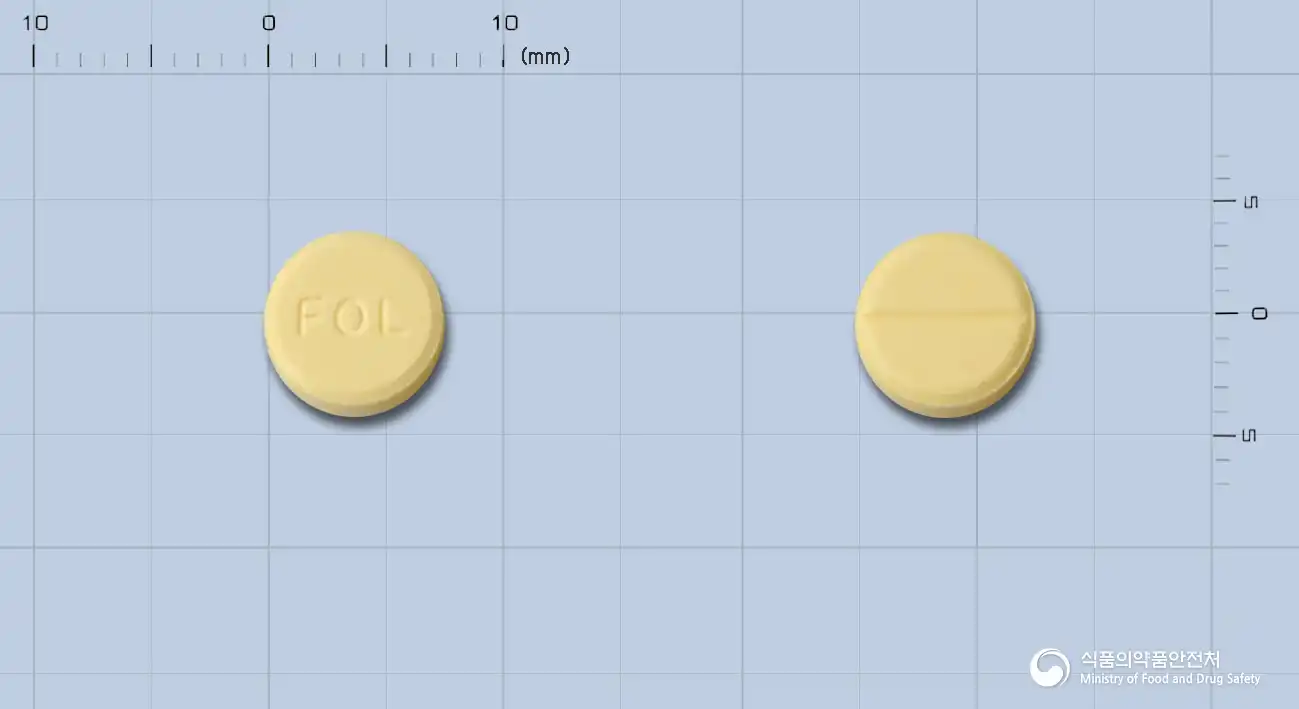
Folsid Tablets (Folic Acid)
Folic Acid 1mg
Tablet · OTC medication
Joah Pharmaceutical Co., Ltd.
MFDS item code 199802670 · Notified 1998.06.16 · Insurance code 644601430
Prevention and treatment of folic acid deficiency and anemia (nutritional deficiency, pregnancy-related, etc.)
This medication is used to prevent and treat folic acid deficiency. It is particularly helpful in situations where sufficient intake is difficult due to increased demand for folic acid, such as malnutrition, pregnancy, and breastfeeding. It is also effective for various types of anemia, excluding pernicious anemia, for example, nutritional deficiency anemia, pregnancy-related anemia, pediatric anemia, and anemia due to the administration of anticonvulsants. This medication is also used for macrocytic anemia associated with alcoholism or liver disease. Both tablets and capsules possess these effects, and taking them appropriately according to the patient's condition can help improve symptoms.
[Tablets] Treatment of folic acid deficiency and deficiencies caused by other medications Adults and children over 24 months: Take 0.25 to 1 mg of folic acid daily. For the prevention of folic acid deficiency and various conditions with increased folic acid demands: Adults and children over 24 months: Take 0.1 to 0.25 mg of this medication daily. [Capsules] Treatment of folic acid deficiency and deficiencies caused by other medications Adults: Take 1 mg of folic acid daily.
[Tablets] Children over 24 months: Take 0.25 to 1 mg of folic acid daily. For the prevention of folic acid deficiency and various diseases with increased demand for folic acid.
This medication should not be taken by individuals with an allergy to this drug or any of its ingredients. Individuals with pernicious anemia or macrocytic anemia due to vitamin B12 deficiency should also avoid this medication. Additionally, this medication contains lactose, so patients with hereditary lactose intolerance should not take it. Consultation with a doctor, dentist, or pharmacist may be necessary before taking this medication. For example, patients currently undergoing other treatments should discuss with a healthcare professional. Patients with pernicious anemia will not achieve relief from neurological symptoms with this drug alone, so they must take vitamin B12 supplements, and caution is required if the diagnosis is uncertain. Also, certain patients taking specific drugs should consult a healthcare professional as interactions may occur with this medication. For instance, this includes patients taking aminosalicylic acid, oral contraceptives, or medications like methotrexate or trimethoprim. Patients taking anticonvulsants like phenytoin should be cautious, as this medication may lower the blood concentration of phenytoin, potentially increasing the frequency of seizures. If taking sulfasalazine or cholestyramine, absorption of this medication may be impaired. If allergic symptoms such as skin rash, itching, or difficulty breathing occur while taking this medication, discontinue immediately and consult a healthcare professional. Additionally, if symptoms like loss of appetite, nausea, vomiting, swelling, or weight loss occur, stop taking the drug and consult a doctor. High doses may cause central nervous system symptoms such as gastrointestinal disturbances, changes in sleep, difficulty concentrating, irritability, excitability, depression, confusion, and impaired judgment, so caution is required. This medication must be used according to the specified dosage and administration, and supervision is needed when administering it to children. If symptoms do not improve or worsen after taking this medication for about a month, consult with a doctor or pharmacist. Store this medication out of reach of children, away from direct sunlight, in a cool, dry, and sealed place. To maintain quality, do not transfer it to another container and avoid misuse or abuse.
Difficulty breathing → Severe allergic reaction
Not everyone experiences these, and they can vary from person to person.
This medication should be consulted with a doctor or pharmacist when taken in conjunction with aminosalicylic acid, oral contraceptives, dihydrofolate reductase inhibitors (methotrexate, trimethoprim, etc.), phenytoin-like anticonvulsants, sulfasalazine, or cholestyramine.
This medication should be stored in a sealed container to prevent exposure to air or light, and it is advisable to keep it at room temperature between 1 to 30 degrees Celsius. Storing it this way will help maintain the drug's effectiveness and prevent degradation.
Yellow round tablets
30 T/PTP, 60 T/PTP, 120 T/PTP, 1000 T/bottle
Even with the same ingredient, strength, dosage form and how it is taken can differ.
Viewing nowFolic Acid 1mg
Tablet · OTC medication
Joah Pharmaceutical Co., Ltd.
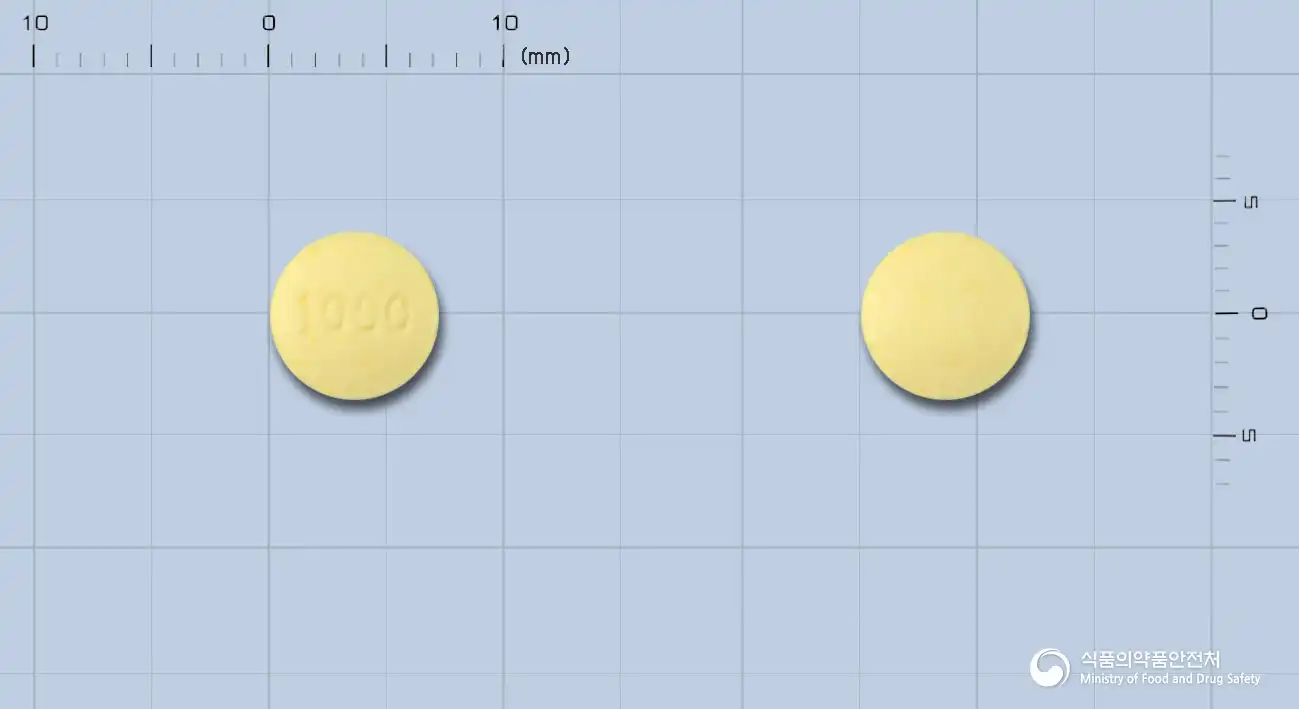
Folic Acid 1mg
Tablet · OTC medication
Shinil Pharmaceutical Co., Ltd.
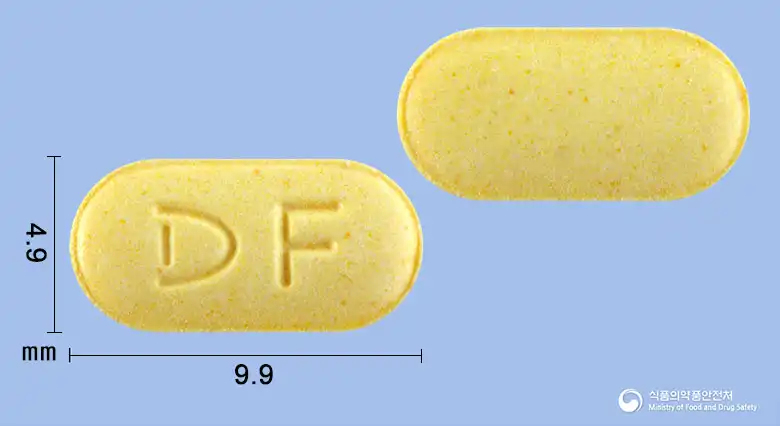
Folic Acid 5mg
Tablet · Prescription medication
Darim Biotech Co., Ltd.
Folic Acid 1mg
Soft capsule · OTC medication
RP Bio Co., Ltd.
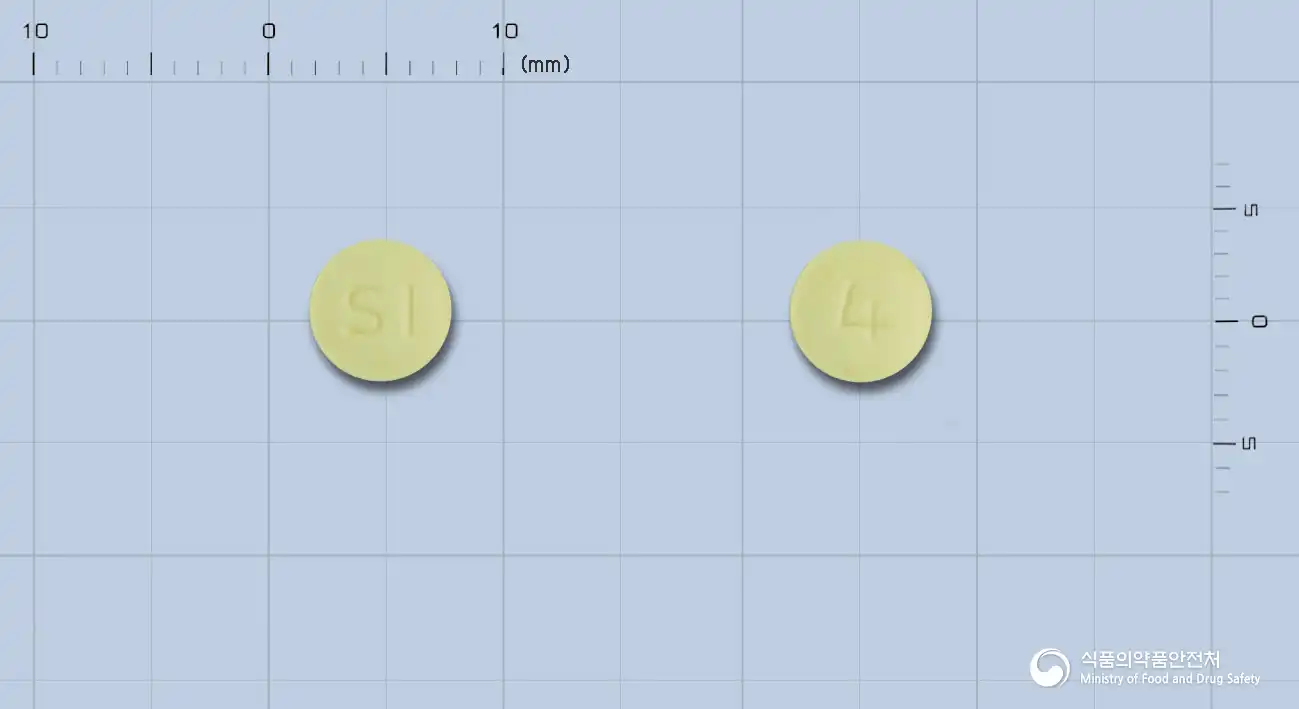
Folic Acid 0.4mg
Tablet · OTC medication
Shinil Pharmaceutical Co., Ltd.
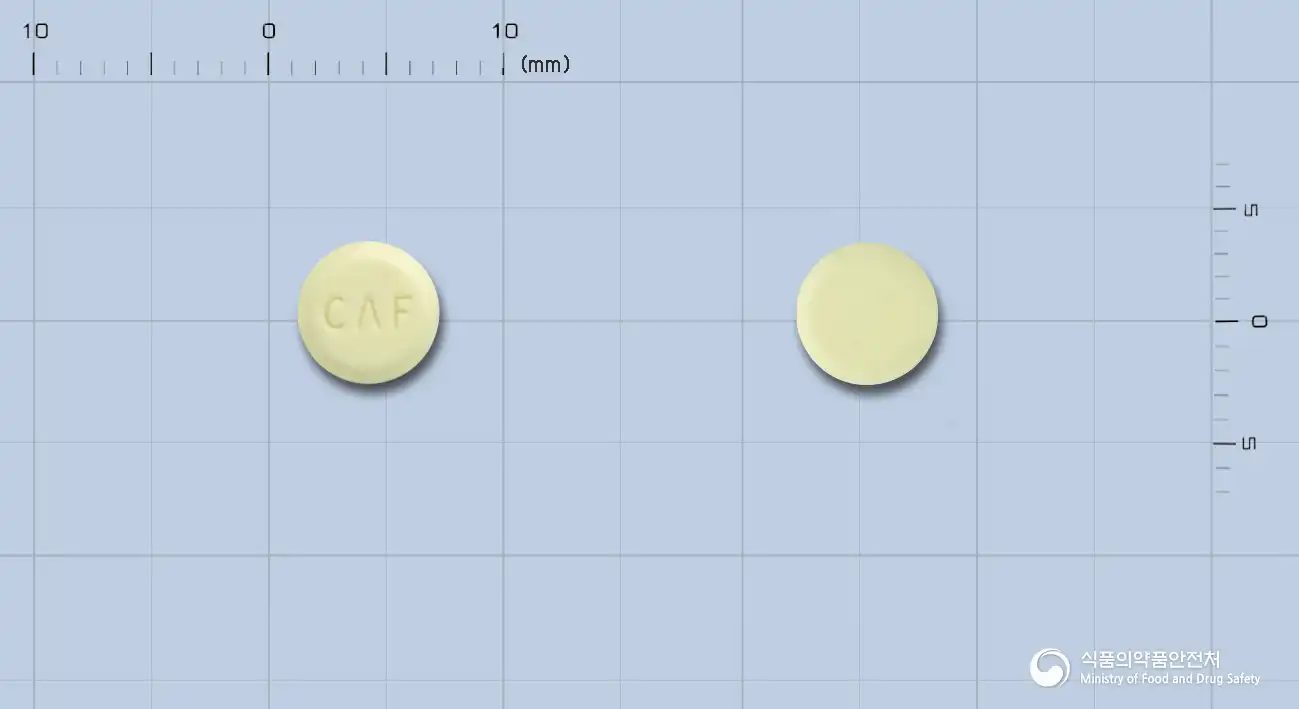
Folic Acid 0.4mg
Tablet · OTC medication
Joah Pharmaceutical Co., Ltd.
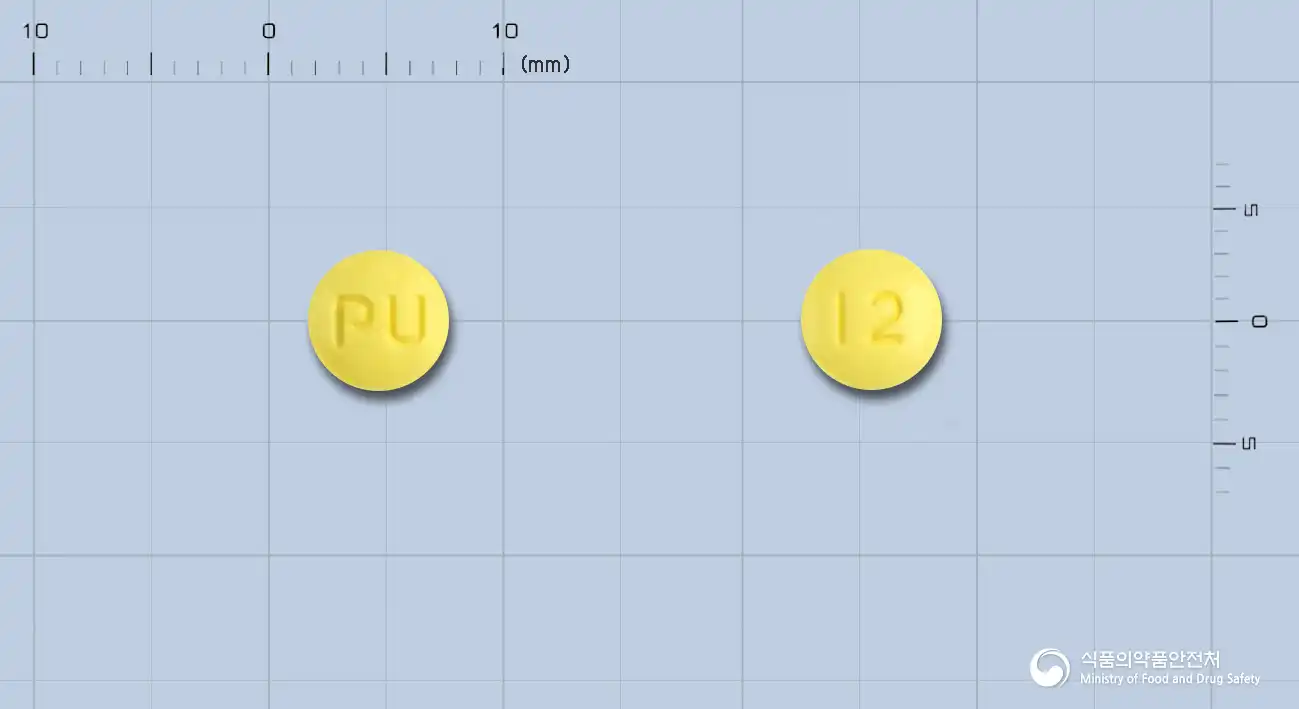
Folic Acid 1mg
Tablet · OTC medication
Korea PMG Pharmaceutical Co., Ltd.
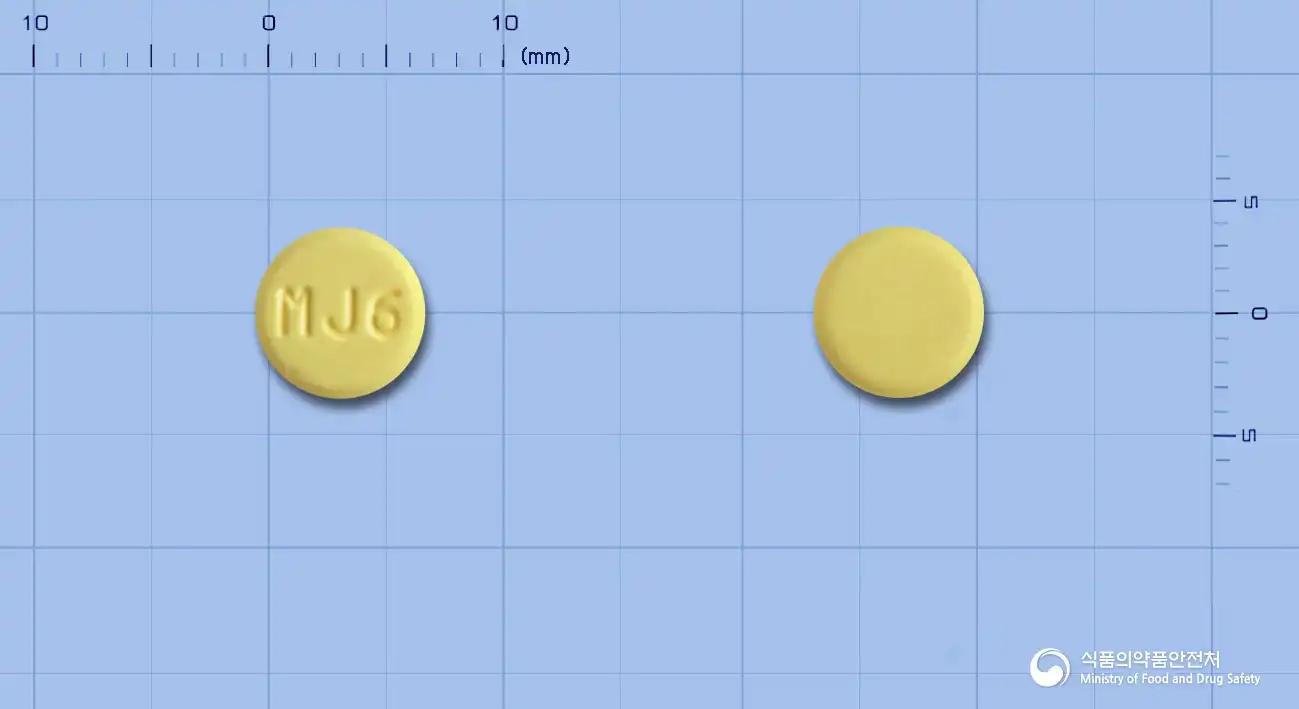
Folic Acid 1mg
Tablet · OTC medication
Mothers Pharmaceutical Co., Ltd.
Even with the same ingredient, the dose and directions can differ by strength and dosage form. Talk to a doctor or pharmacist before switching from a medication you are already taking.
No questions yet.
For anything that needs medical judgment, consult a doctor or pharmacist.
This drug information is based on data provided by the Korea Ministry of Food and Drug Safety.
Consult a doctor or pharmacist for accurate dosage, administration, and usage instructions.