
 한국어
 English
 日本語
 中文(简体)
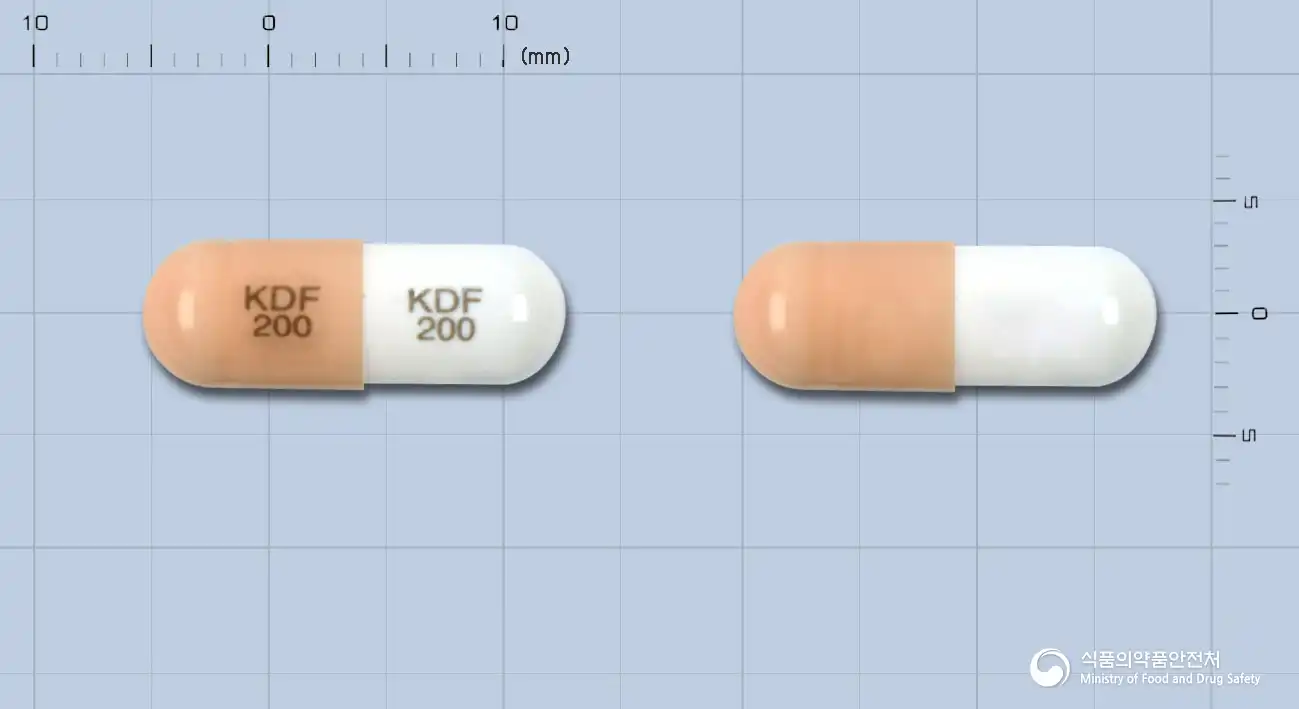 Viewing now
Kwangdong Doxifluridine Capsules 200 mg
Doxifluridine 200mg
Hard capsule · Prescription medication
Kwangdong Pharmaceutical Co., Ltd.
MFDS item code 199802572 · Notified 1998.11.20
Treatment of cancer (including stomach and breast cancer)
This medication is used for the treatment of major cancers such as gastric cancer, colorectal cancer, and breast cancer.
The usual dose of doxifluridine is 800~1,200 mg per day, administered orally in 3~4 divided doses. Adjust the dose as needed according to age and symptoms. When used in combination with other anticancer agents, administer according to the dosage and administration described above.
This drug is an antineoplastic agent classified under fluorouracil-type medications. It should not be used in conjunction with certain antiviral agents as it may cause severe blood disorders. Furthermore, it should not be used with certain combination medications due to the risk of severe blood disorders. It is contraindicated in patients who have had allergic reactions to this drug or its components, and in patients currently taking the medications mentioned above. Use with caution in patients with compromised bone marrow function, liver or kidney issues, infection history, cardiac disease history, chickenpox, gastrointestinal ulcers or bleeding, and those with a history of allergies. Special attention should be paid to pediatric patients regarding adverse reactions. During the use of this medication, regular blood tests and liver and kidney function tests should be performed, and any anomalies should be promptly reported to a physician. If severe enteritis, severe diarrhea, abdominal pain, or dehydration symptoms occur, the treatment should be discontinued immediately, and appropriate care should be sought. Various side effects such as neurological symptoms, dyspnea, liver dysfunction, cardiac issues, skin reactions may occur; notify medical personnel promptly upon symptom occurrence. Women who are pregnant or may become pregnant are advised not to use this medication, and breastfeeding should be discontinued if nursing. Dosage adjustments and caution are necessary for the elderly and children. Additionally, the packaging sheet should be removed when taking the drug, as swallowing the sheet can cause serious problems like esophageal damage. Long-term use of this medication may lead to decreased bone marrow function or serious adverse reactions, so it should be used cautiously under a physician's direction.
Not everyone experiences these, and they can vary from person to person.
Store this medication in a tightly sealed container to prevent the ingress of air or moisture. It is best kept at room temperature, away from excessively hot or cold places.
A hard capsule preparation with a white powder in a light yellowish-white upper part and a white lower part.
100 capsules (10 capsules/PTP X 10)
Even with the same ingredient, strength, dosage form and how it is taken can differ.
Viewing nowDoxifluridine 200mg
Hard capsule · Prescription medication
Kwangdong Pharmaceutical Co., Ltd.
Doxifluridine
Prescription medication
Kwangdong Pharmaceutical Co., Ltd.
Doxifluridine
Prescription medication
Shinpung Pharmaceutical Co., Ltd.
Doxifluridine
Prescription medication
Boryeong Co., Ltd.
Doxifluridine
Prescription medication
Shinpoong Pharmaceutical Co., Ltd.
Doxifluridine
Prescription medication
Boryeong Co., Ltd.
Even with the same ingredient, the dose and directions can differ by strength and dosage form. Talk to a doctor or pharmacist before switching from a medication you are already taking.
No questions yet.
For anything that needs medical judgment, consult a doctor or pharmacist.
This drug information is based on data provided by the Korea Ministry of Food and Drug Safety.
Consult a doctor or pharmacist for accurate dosage, administration, and usage instructions.