
 한국어
 English
 日本語
 中文(简体)
Dosage form image
Viewing nowPrasex Capsule (Omeprazole)
Omeprazole Enteric Coated Granules 232.6mg
Hard capsule · Prescription medication
Hana Pharmaceutical Co., Ltd.
MFDS item code 199802288 · Notified 1998.02.21
This product's status changed to Expired on 2025.04.01. It may no longer be sold, so consult a doctor or pharmacist before taking it.
Treatment and prevention of gastroesophageal reflux and gastric and duodenal disorders; treatment of Zollinger-Ellison syndrome
This medication is used for the short-term treatment of gastric ulcers and duodenal ulcers and is also effective in treating symptoms of gastroesophageal reflux disease (GERD) such as heartburn and regurgitation. It is also utilized in the maintenance therapy for severe gastroesophageal reflux disease and refractory peptic ulcers, and is applicable in the treatment of Zollinger-Ellison syndrome. It is used in antibiotic combination therapy to prevent recurrence of duodenal ulcers caused by Helicobacter pylori infection, and it helps treat and prevent gastric and duodenal ulcers or erosions caused by non-steroidal anti-inflammatory drugs (NSAIDs). This medication is used to improve the quality of life of patients by alleviating gastrointestinal disease symptoms and preventing recurrences.
◎ Adults 1) Gastric ulcer: Administer omeprazole 20mg orally once daily. Most ulcers may heal within 4 weeks, although the healing period may vary occasionally between patients. If healing is not complete after the initial 4 weeks of treatment, continue treatment for an additional 4 weeks. In patients who have not responded to other medications, administration of 40mg once daily usually results in healing within 8 weeks, although the healing period may vary occasionally between patients. Repeat treatment if recurrence occurs. 2) Short-term treatment of duodenal ulcer: Administer 20mg orally once daily. Most ulcers may heal within 2 weeks, although the healing period may vary occasionally between patients. If healing is not complete after the initial 2 weeks of treatment, continue treatment for an additional 2 weeks. In patients who have not responded to other medications, administration of 40mg once daily usually results in healing within 4 weeks, although the healing period may vary occasionally between patients. Repeat treatment if recurrence occurs. 3) Treatment of reflux esophagitis and symptoms of gastroesophageal reflux disease (GERD) (such as heartburn and regurgitation): - Reflux esophagitis: Administer 20mg orally once daily. Most cases may heal within 4 weeks, although the healing period may vary occasionally between patients. If healing is not complete after the initial 4 weeks of treatment, continue treatment for an additional 4 weeks. In patients who have not responded to other medications, administration of 40mg once daily usually results in healing within 8 weeks, although the healing period may vary occasionally between patients. Repeat treatment if recurrence occurs. - Treatment of symptoms of gastroesophageal reflux disease (GERD) (such as heartburn and regurgitation): Administer 20mg orally once daily. Treatment for 2~4 weeks is generally sufficient for healing. 4) Maintenance therapy for severe reflux esophagitis and peptic ulcers that are difficult to treat: Administer 20mg orally once daily. If recurrence occurs, the dose may be increased to 40mg once daily. 5) Zollinger-Ellison syndrome: The initial dose is 60mg orally once daily. Continue treatment, adjusting the dose as appropriate for the individual patient. More than 90% of patients respond to doses of 20 - 120mg per day. If doses of 80mg or more per day are administered, divide the daily dose into 2 doses. 6) Antibiotic combination therapy to prevent recurrence of duodenal ulcers infected with Helicobacter pylori: - Dual therapy: Administer this drug 20mg and amoxicillin 750 - 1000mg twice daily for 2 weeks. - Triple therapy: Administer this drug 40mg once daily or 20mg twice daily in combination with the following antibiotics. ① Administer clarithromycin 250mg and metronidazole 400mg twice daily for 1 week, or ② Administer amoxicillin 1g and clarithromycin 500mg twice daily for 1 week. If the treatment effect is insufficient, omeprazole monotherapy may be continued. 7) Treatment of gastric or duodenal ulcers or erosions caused by administration of nonsteroidal anti-inflammatory drugs (NSAIDs): Administer 20mg orally once daily. Most cases may heal within 4 weeks, although the healing period may vary occasionally between patients. If healing is not complete after the initial 4 weeks of treatment, continue treatment for an additional 4 weeks. 8) Maintenance prevention of gastric or duodenal ulcers or erosions and dyspeptic symptoms caused by NSAID administration in patients receiving long-term NSAID treatment who have a history of gastric or duodenal lesions: Administer 20mg orally once daily. 9) Prevention of recurrence of reflux esophagitis: To prevent recurrence of reflux esophagitis, administer 10mg orally once daily. Swallow this drug whole with at least half a glass of water. Adjust the dose as appropriate according to age and symptoms.
This medication should not be used in patients who are allergic to its components. Great caution is necessary when administering this medicine to patients with suspected or possible malignant gastric ulcers, as alleviation of symptoms may delay diagnosis. Interactions may occur if used with certain antiviral drugs, so concomitant use should be avoided. In patients with impaired liver function or older adults, dosage should be adjusted or administered carefully. Taking this medication may result in various side effects such as headaches, dizziness, dyspepsia, skin rashes; if abnormal symptoms occur, immediate consultation with medical personnel is necessary. For long-term use, it is important to conduct regular examinations to check for any adverse reactions. This medication may slightly increase the risk of bacterial infections in the gastrointestinal tract by suppressing gastric acid secretion, so inform medical personnel if symptoms such as diarrhea persist. There may be interactions with other drugs, so inform your medical provider of any concurrent medications. Women who are pregnant or may become pregnant should use this medication with caution, and it is preferable to avoid use while breastfeeding or to discontinue breastfeeding during treatment. The safety for pediatric use has not been well established, so caution is necessary when used in children. In cases of overdose, symptoms may include vomiting, diarrhea, and headaches, so immediate medical attention is required. This medication should be kept out of the reach of children and should not be stored in a different container; the cap should be tightly closed after use.
Headache, drowsiness, dizziness, insomnia, paresthesia, faintness, vertigo, confusion, excitement, aggression, hallucinations, depression, elevated liver enzymes, jaundice, hepatitis, liver failure, encephalopathy, interstitial nephritis, diarrhea, soft stools, constipation, nausea, vomiting, abdominal pain, abdominal bloating, dry mouth, stomatitis, gastrointestinal candidiasis, erythema, rash, urticaria, itching, dermatitis, vesicular rash, Stevens-Johnson syndrome, toxic epidermal necrolysis, erythema multiforme, photosensitivity, alopecia, angioedema, fever, bronchospasm, interstitial nephritis, anaphylactic shock, chest pain, tachycardia, bradycardia, palpitations, leukopenia, thrombocytopenia, agranulocytosis, pancytopenia, back pain, arthralgia, muscle weakness, myalgia, gynecomastia, cough, asthenia, malaise, peripheral edema, increased sweating, blurred vision, visual impairment, taste disturbance, breast pain in females, breast lump, hyponatremia, erectile dysfunction, Clostridium difficile-associated diarrhea, hypomagnesemia, acute generalized pustular exanthema, drug reaction with eosinophilia and systemic symptoms, systemic lupus erythematosus, cutaneous lupus erythematosus, gastric polyps, hypocalcemia, hypokalemia
Not everyone experiences these, and they can vary from person to person.
This medication may be sensitive to air and moisture, therefore it should be stored in a tightly sealed container. It is advisable to keep it at room temperature, avoiding direct sunlight and not in excessively hot or cold places.
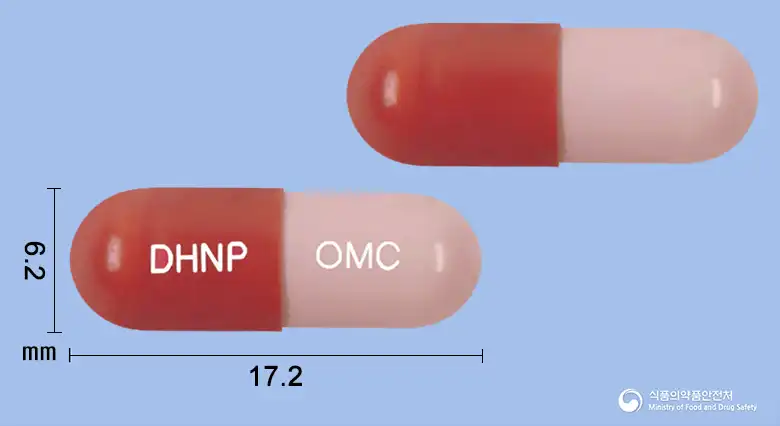
A hard capsule with a reddish-brown upper part and pink lower part filled with light yellow enteric-coated granules.
28 capsules/bottle, 100 capsules/bottle
Even with the same ingredient, strength, dosage form and how it is taken can differ.
Omeprazole Enteric Coated Granules 232.6mg
Hard capsule · Prescription medication
Hana Pharmaceutical Co., Ltd.
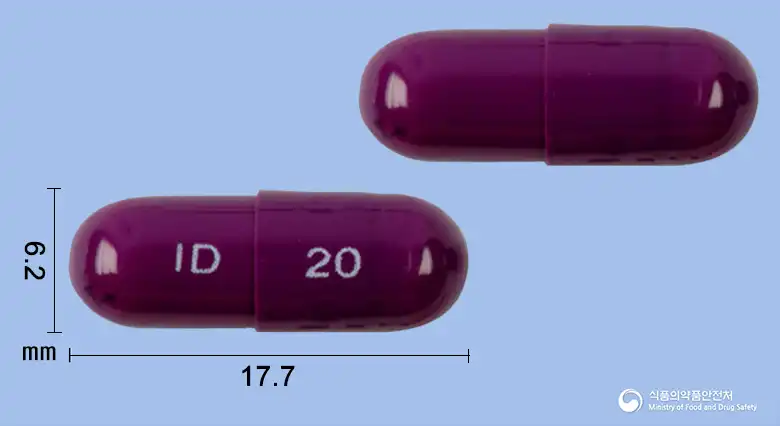
Omeprazole Enteric Coated Granules 230mg
Hard capsule · Prescription medication
Ildong Pharmaceutical Co., Ltd.
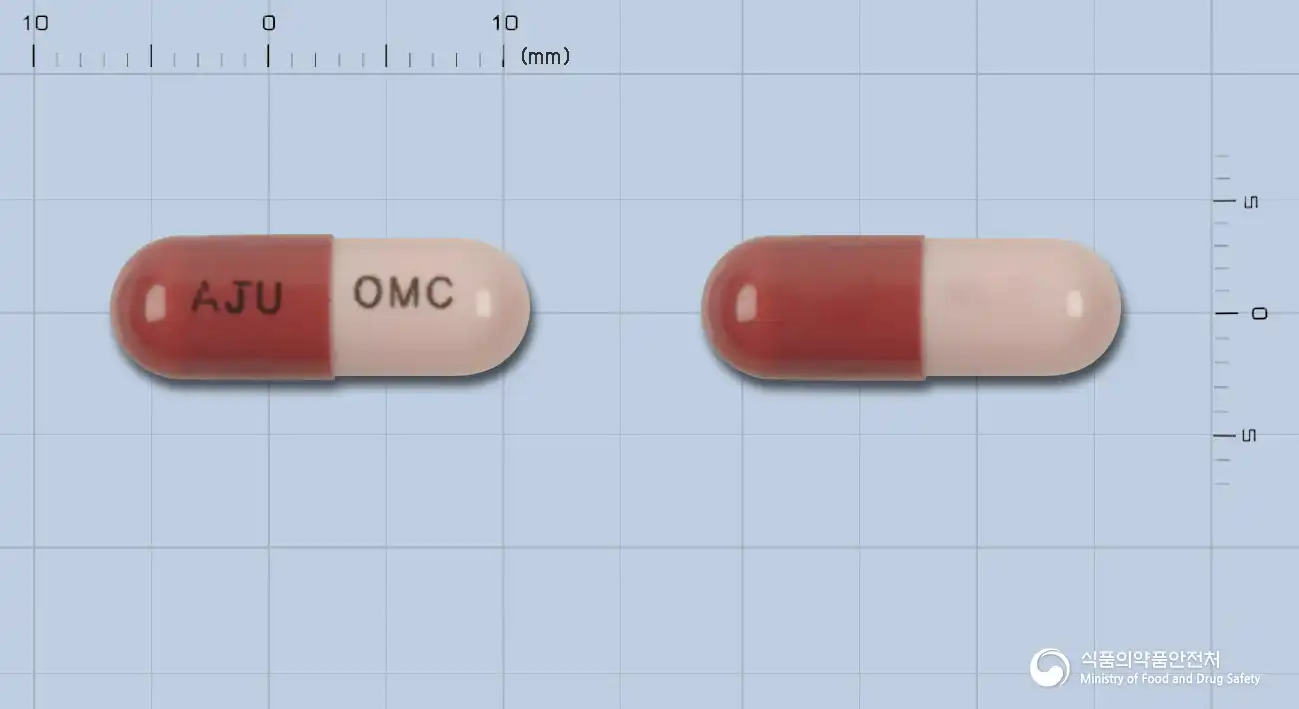
Omeprazole Enteric Coated Granules 230mg
Hard capsule · Prescription medication
Aju Pharmaceutical Co., Ltd.
Omeprazole Enteric Coated Granules 230mg
Prescription medication
Shinil Pharmaceutical Co., Ltd.
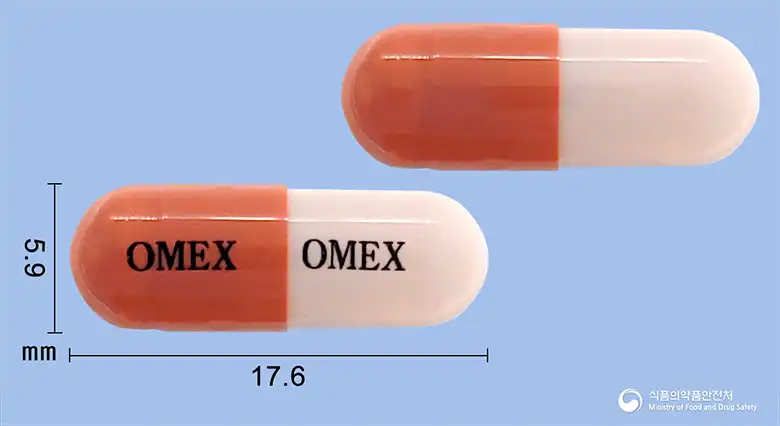
Omeprazole Enteric Coated Granules 233mg
Hard capsule · Prescription medication
Youngpoong Pharmaceutical Co., Ltd.
Omeprazole Enteric Coated Granules 230mg
Prescription medication
Hanol BioPharma Co., Ltd.
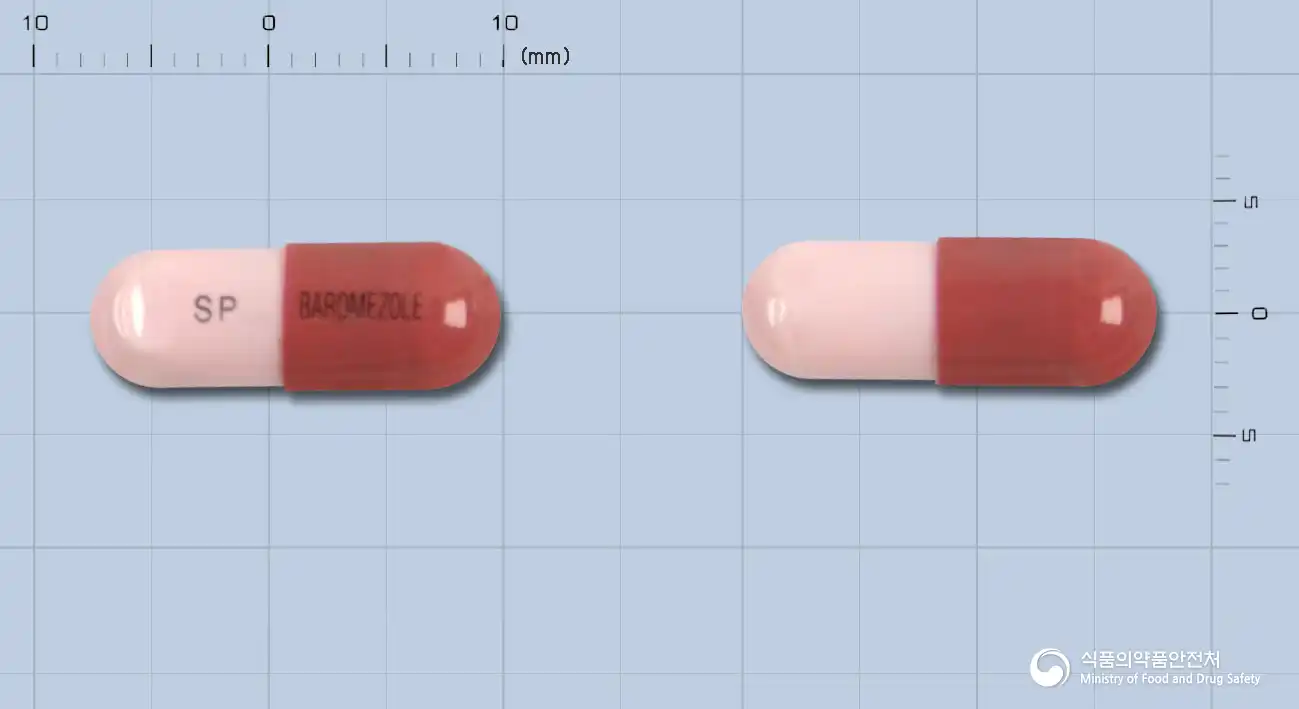
Omeprazole Enteric Coated Granules 230mg
Hard capsule · Prescription medication
Shinpoong Pharmaceutical Co., Ltd.
Omeprazole Enteric Coated Granules 233mg
Hard capsule · Prescription medication
Daehan New Pharm Co., Ltd.
Even with the same ingredient, the dose and directions can differ by strength and dosage form. Talk to a doctor or pharmacist before switching from a medication you are already taking.
No questions yet.
For anything that needs medical judgment, consult a doctor or pharmacist.
This drug information is based on data provided by the Korea Ministry of Food and Drug Safety.
Consult a doctor or pharmacist for accurate dosage, administration, and usage instructions.