
 한국어
한국어 English
 日本語
日本語 中文(简体)
Dosage form image
Viewing nowBacirova Injection (Acyclovir)
Acyclovir 250mg
Injections · Prescription medication
Hana Pharmaceutical Co., Ltd.
MFDS item code 199802268 · Notified 1998.02.28 · Insurance code 657800841
Treatment of genital herpes and shingles (acute pain), treatment of chickenpox, and prevention of viral infections.
This medication is available in various forms and is primarily used for the treatment and prevention of herpes simplex virus infections affecting skin and mucosal tissues, including primary and recurrent genital herpes. It is also effective in relieving acute pain from herpes zoster virus infections and is used for the treatment of chickenpox in children aged over 2 years. The injectable form is used in patients with normal immune function for the treatment of severe genital herpes, chickenpox, herpes zoster virus infections, and herpes simplex encephalitis. In immunocompromised patients, it is used for the treatment and prevention of herpes simplex virus infections, chickenpox, and herpes zoster virus encephalitis. This medication helps treat various infections and improve the patient's condition.
The injectable form should be administered as a slow intravenous drip over more than 1 hour per dose. For herpes simplex infections and recurrent herpes zoster virus infections, dosage is 5 mg per kg of body weight every 8 hours. For primary and recurrent herpes zoster virus infections and herpes simplex encephalitis, dosage is 10 mg per kg of body weight every 8 hours. For the prevention of herpes simplex virus infections in immunocompromised patients where oral administration is not possible, dosing is considered.
For children (3 months to 12 years), dosage is calculated based on body surface area in accordance with adult dosing. Herpes simplex or chickenpox virus infections should be dosed at 250 mg per square meter of body surface area every 8 hours. For chickenpox and herpes zoster, the dosage
This medication should absolutely not be administered to patients who have had hypersensitivity reactions to this medication or its components. Patients with impaired kidney function may be more susceptible to neuropsychiatric adverse reactions while using this medication, hence caution is necessary. Patients with compromised liver function should also be administered this medication with caution as liver function may deteriorate further. Children and infants should use this medication cautiously, especially newborns or low-birth-weight infants, as safety has not been established; it should be administered only when absolutely necessary. Elderly patients are likely to have reduced kidney function which may lead to increased blood concentration of this medication and heightened occurrence of side effects, necessitating careful adjustment of dosage and administration intervals. Although rare, serious allergic reactions such as anaphylactic shock may occur when using this medication, so if symptoms like hypotension, difficulty breathing, or chest tightness occur, administration should be stopped immediately, and appropriate treatment should be sought. Hypersensitivity reactions such as skin rashes, fever, vesicles, and urticaria may occur, so administration should be discontinued if these symptoms develop. Alopecia, severe skin rashes, and abnormalities in skin or mucous membranes have also been reported; if such symptoms appear, the physician should be consulted immediately. Neuropsychiatric symptoms can include altered consciousness, confusion, seizures, hallucinations, anxiety, drowsiness, tremors, etc., and these may occur more frequently in the elderly or those with renal impairment, necessitating precautions. Kidney function abnormalities may lead to renal failure, hematuria, proteinuria, etc., so regular kidney function tests should be conducted. Liver function abnormalities may manifest as hepatitis, jaundice, or elevated liver enzymes, hence liver function tests are also required. Gastrointestinal symptoms may include gastritis, nausea, vomiting, and abdominal pain, and if these symptoms are severe, administration should be discontinued. Sufficient hydration is important during administration of this medication, and especially when high doses are given, dehydration should be prevented to minimize the risk of nephrotoxicity. This medication may interact with other drugs, so when taken with medications such as probenecid, cimetidine, theophylline, or mycophenolate mofetil, consulting with a physician or pharmacist is essential. Pregnant women or women of childbearing potential should only use this medication if the therapeutic benefit outweighs the risks, as the components of this medication can be excreted in breast milk; breastfeeding should be discontinued during treatment. In the case of an overdose, severe symptoms such as agitation, coma, seizures, and somnolence may occur; careful monitoring of blood concentration is needed, and treatments like dialysis may be necessary if indicated. The most effective use of this medication starts as soon as symptoms appear, specifically within 5 days for herpes zoster and within 3 days for chickenpox. Injectable forms should not be administered as a rapid intravenous injection but must be administered as a slow intravenous drip; care must be taken to prevent the solution from extravasating to avoid vascular injury.
Urticaria, severe swelling (edema), chest tightness, difficulty breathing, cold sweats, pallor, anaphylactic shock, anaphylactic reactions, severe cutaneous adverse reactions (Stevens-Johnson syndrome), toxic epidermal necrolysis (Lyell syndrome), severe rashes, blisters, skin peeling, pain in oral/ocular mucosa, liver abnormalities (jaundice), yellowing of skin or eyes (jaundice), sudden and severe headache, thunderclap headache, seizures, confusion of consciousness, visual disturbances.
Not everyone experiences these, and they can vary from person to person.
This medication should be stored in a sealed container in a cool, dry place, maintaining a temperature between 15 to 25 degrees Celsius. Proper storage will help maintain the efficacy of the medication and prevent deterioration.
This medication is a white powder or granules contained in a colorless and transparent vial to be dissolved before use for injection.
5 vials/box
Even with the same ingredient, strength, dosage form and how it is taken can differ.
Acyclovir 250mg
Injections · Prescription medication
Hana Pharmaceutical Co., Ltd.
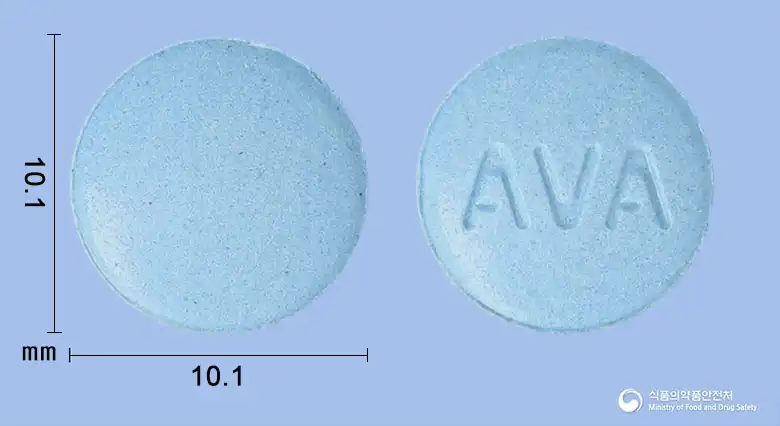
Acyclovir 200mg
Tablet · Prescription medication
Kyung dong Pharm Co., Ltd.

Acyclovir 200mg
Tablet · Prescription medication
SK Chemicals Co., Ltd.
Acyclovir
Prescription medication
Baskan Biopharmaceutical Co., Ltd.
Acyclovir 50mg
Cream · OTC medication
Dongkwang Pharmaceutical Co., Ltd.
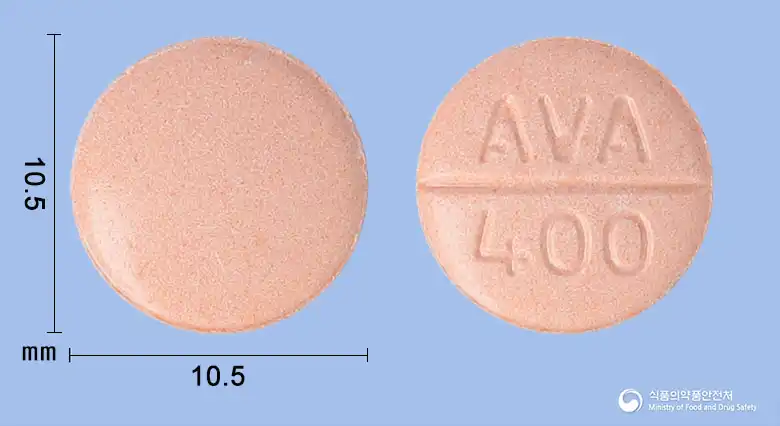
Acyclovir 400mg
Tablet · Prescription medication
Kyung dong Pharm Co., Ltd.
Acyclovir 50mg
Cream · OTC medication
Kyungdong Pharmaceutical Co., Ltd.
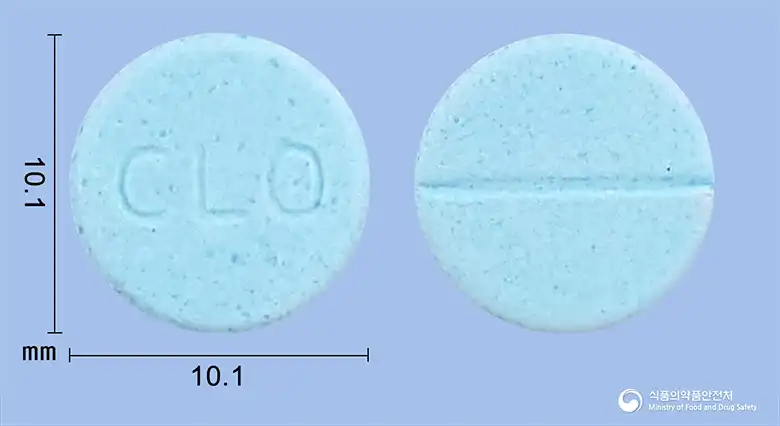
Acyclovir 200mg
Tablet · Prescription medication
Vivozon Pharmaceutical Co., Ltd.
Even with the same ingredient, the dose and directions can differ by strength and dosage form. Talk to a doctor or pharmacist before switching from a medication you are already taking.
No questions yet.
For anything that needs medical judgment, consult a doctor or pharmacist.
This drug information is based on data provided by the Korea Ministry of Food and Drug Safety.
Consult a doctor or pharmacist for accurate dosage, administration, and usage instructions.