
 한국어
 English
 日本語
 中文(简体)
 Viewing now
Bukhwang Timonil Sustained Release Tablets 300 Milligrams (Carbamazepine)
Carbamazepine 300mg
Tablet · Prescription medication
Bukhwang Pharm Co., Ltd.
MFDS item code 199801575 · Approved 1998.06.29 · Insurance code 642201050
Treatment of epilepsy, trigeminal neuralgia, and psychiatric disorders (such as mania and agitation in schizophrenia)
This medication is effective for various seizures associated with epilepsy, particularly psychomotor seizures and tonic-clonic seizures. It is also used to improve psychiatric disorders related to epilepsy. It aids in the treatment of neuropathic pain such as trigeminal neuralgia, and is used to alleviate manic states in bipolar disorder and agitation in schizophrenia. It is employed to effectively improve symptoms of neurological and psychiatric disorders.
1. Epilepsy Start treatment at a low dose and increase it slowly until the optimal effect is achieved. The dose of this medicine should be adjusted to adequately control seizures in each individual patient. Determination of the blood concentration may help achieve the optimal dose. The therapeutic blood concentration of carbamazepine for epilepsy is known to be 4-12 μg/mL (17-50 micromoles/L). 1) Adults: The initial dose of carbamazepine is 200-400㎎ daily, administered orally in 1-2 divided doses, and is increased slowly until the optimal effect is achieved (600㎎ daily). Depending on symptoms, the dose may be increased to 1200㎎ daily. 2. Trigeminal neuralgia Adults: The initial dose of this medicine is 200-400㎎ daily, and may be administered in divided doses up to 600 mg daily. Depending on symptoms, the dose may be increased to 800mg daily. 3. Mania, manic state of bipolar disorder, and excited state in schizophrenia Adults: The initial dose of this medicine is 200-400㎎ daily, administered in 1-2 divided doses, and is increased slowly until the optimal effect is achieved (600㎎ daily). Depending on symptoms, the dose may be increased to 1200㎎ daily. Adjust the dose as appropriate according to age and symptoms.
2) Children: Administer 100-600㎎ daily in divided doses according to age and symptoms.
This medication may pose a risk of mental health issues such as suicidal thoughts or behaviors, so careful observation for depression and mood changes is necessary during treatment. While taking this medication, severe skin reactions such as Stevens-Johnson syndrome or toxic epidermal necrolysis may occur; if there are rash, blisters, or severe itching, consult a doctor immediately. During pregnancy, this medication may cause fetal malformations or growth abnormalities, so the decision to use this medication during pregnancy should be made after consultation with a physician, and women of childbearing age must use effective contraception during treatment. Patients with hypersensitivity to this medication, severe blood disorders, or cardiac conduction disorders should not take it, and co-administration with certain antidepressants or MAO inhibitors is prohibited. Patients with liver disease, heart disease, kidney disorders, as well as the elderly, children, and pregnant women should be particularly cautious when taking this medication, and any adverse reactions should be reported to healthcare professionals immediately. Initial treatment may commonly cause side effects such as dizziness, drowsiness, headache, nausea, and vomiting, so caution is advised when driving or operating dangerous machinery. This medication may lead to decreases in blood white blood cell or platelet counts, necessitating regular blood tests, and if there are symptoms such as fever, rash, or oral ulcers, visit a hospital immediately. This medication may affect liver function, so regular liver function tests are needed, and if liver function worsens, discontinue use. Due to numerous drug interactions, inform your doctor or pharmacist if you are taking other medications, especially caution is needed when used with antibiotics, antifungals, antidepressants, anticoagulants, etc. Overdosage may cause severe symptoms such as central nervous system depression, respiratory depression, and cardiac arrhythmias, so do not exceed the prescribed dose, and seek emergency treatment immediately in case of overdose. This medication should be kept out of the reach of children and stored in its original container for safety.
suicidal impulses, suicidal behavior, depression, abnormal changes in mood and behavior, Stevens-Johnson syndrome, toxic epidermal necrosis, dizziness, headache, ataxia, drowsiness, fatigue, diplopia, nausea, vomiting, allergic skin reactions, leukopenia, thrombocytopenia, eosinophilia, leukocytosis, lymphadenopathy, agranulocytosis, aplastic anemia, pancytopenia, pure red cell aplasia, anemia, megaloblastic anemia, reticulocytosis, hemolytic anemia, fever, rash, vasculitis, galactorrhea, arthralgia, hepatic splenomegaly, abnormal liver function test results, cholestatic syndrome, angioedema, hypogammaglobulinemia, anaphylactic reaction, edema, fluid retention, weight gain, hyponatremia, lethargy, confusion, hyperprolactinemia, gynecomastia, folate deficiency, decreased appetite, acute intermittent porphyria, mixed porphyria, delayed cutaneous porphyria, hyperammonemia, visual hallucinations, auditory hallucinations, aggressive behavior, anxiety, restlessness, psychosis activation, regulatory disorder, tremor, fixed postures inability, dystonia, facial spasms, nystagmus, oral-facial movement disorder, ocular movement disorder, speech disorder, chorea, peripheral neuropathy, sensory disturbances, incomplete paralysis, dysgeusia, neuroleptic malignant syndrome, tonic seizures, aseptic meningitis, lens opacity, conjunctivitis, increased intraocular pressure, hearing impairment, hyperacusis, hearing loss, audiometric abnormalities, electrocardiographic disturbances, bradycardia, arrhythmia, syncope, worsening of coronary artery disease, congestive heart failure, precursors disease, lymphadenopathy, myocardial infarction, hypertension, hypotension, circulatory collapse, embolism, thrombotic venous inflammation, PIE syndrome, pulmonary hypersensitivity, polydipsia, constipation, diarrhea, abdominal pain, pancreatitis, glossitis, stomatitis, cholestatic hepatitis, hepatocellular hepatitis, mixed hepatitis, jaundice, severe hepatitis, granulomatous hepatitis, liver failure, urticaria, allergic dermatitis, exfoliative dermatitis, erythema multiforme, symptoms of systemic lupus erythematosus, itching, Stevens-Johnson syndrome, toxic epidermal necrolysis, photosensitivity, erythema nodosum, skin pigmentation abnormalities, purpura, acne, hyperhidrosis, hair loss, hirsutism, muscle weakness, osteomalacia, osteoporosis, arthralgia, myalgia, muscle cramps, interstitial nephritis, renal failure, renal impairment, urinary retention, pollakiuria, sexual dysfunction, erectile dysfunction, spermatogenic abnormalities, fatigue, reactivation of herpesvirus 6 infection, bone marrow failure, sedation, memory impairment, colitis, drug rash, systemic syndrome, acute generalized exanthematous pustulosis, lichen planus, nail shedding, fractures, oral edema, sleep disorders, hypersomnia, falls
Not everyone experiences these, and they can vary from person to person.
This medication may be sensitive to air and moisture, so it should be stored in a tightly closed container. Additionally, it is advisable to keep it away from direct sunlight and store it at room temperature.
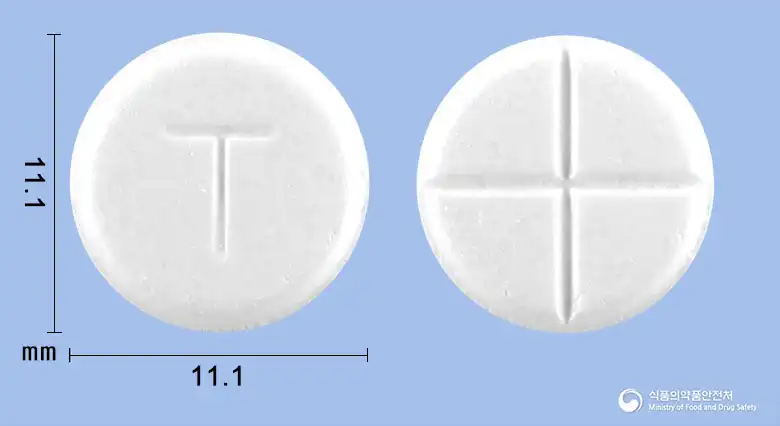
White round tablets
30 tablets, 500 tablets/bottle
Even with the same ingredient, strength, dosage form and how it is taken can differ.
Viewing nowCarbamazepine 300mg
Tablet · Prescription medication
Bukhwang Pharm Co., Ltd.

Carbamazepine 200mg
Tablet · Prescription medication
Myeongin Pharmaceutical Co., Ltd.
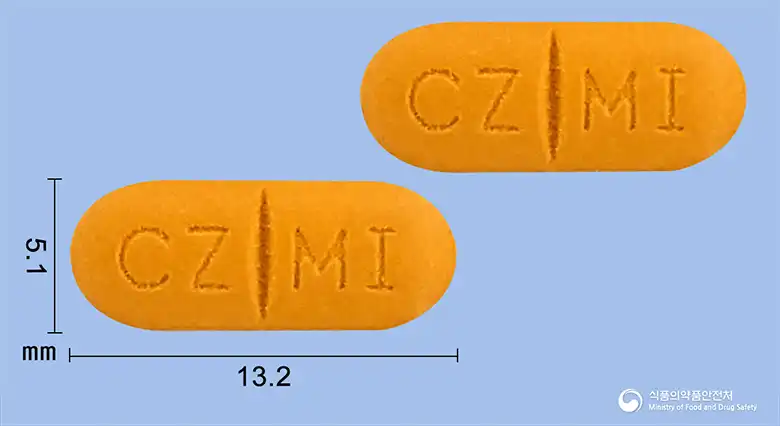
Carbamazepine 200mg
Tablet · Prescription medication
Myungin Pharmaceutical Co., Ltd.
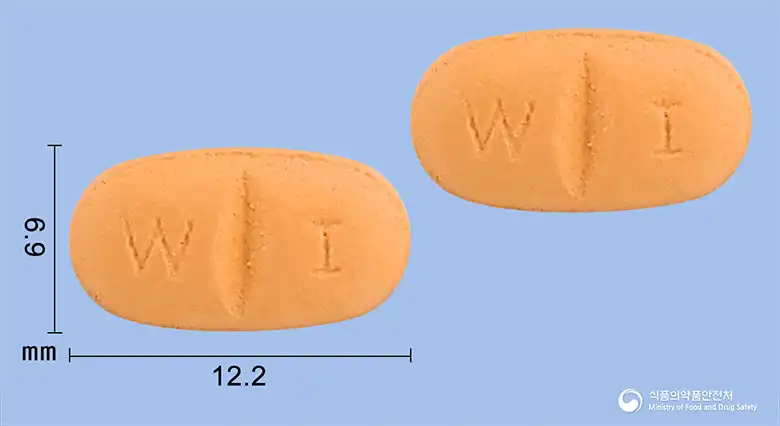
Carbamazepine 200mg
Tablet · Prescription medication
Hanin Pharmaceutical Co., Ltd.
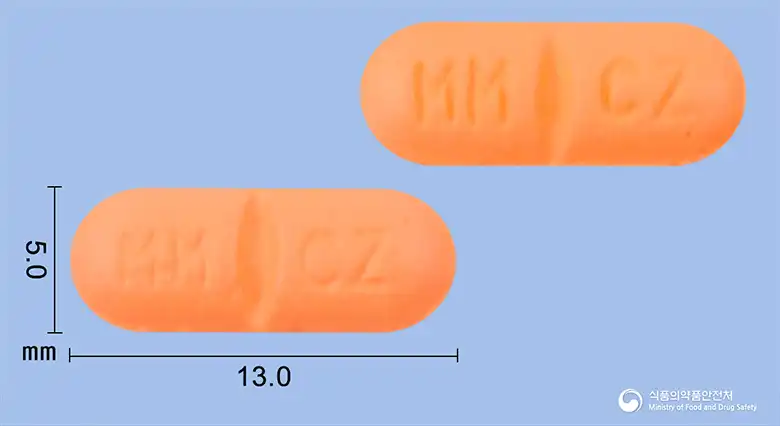
Carbamazepine 200mg
Tablet · Prescription medication
Myungmoon Pharmaceutical Co., Ltd.
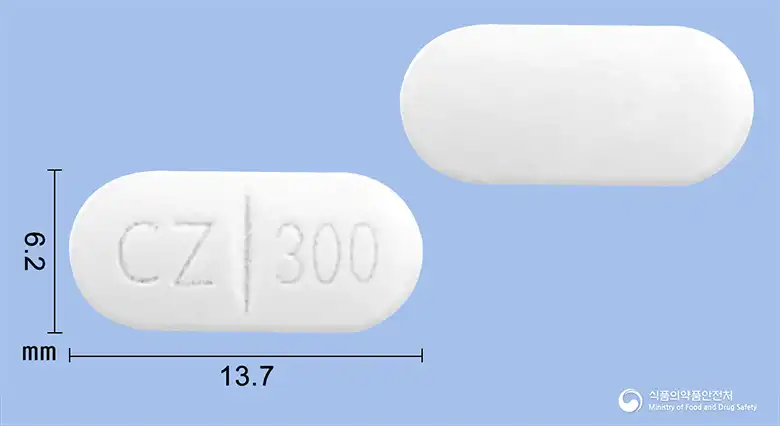
Carbamazepine 300mg
Tablet · Prescription medication
Myeongin Pharmaceutical Co., Ltd.
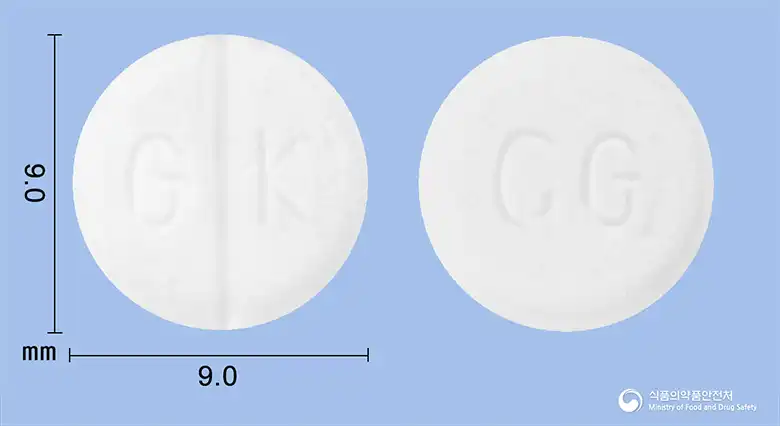
Carbamazepine 200mg
Tablet · Prescription medication
Novartis Korea Ltd.
Carbamazepine 2g
Syrup · Prescription medication
Korea Novartis Co., Ltd.
Even with the same ingredient, the dose and directions can differ by strength and dosage form. Talk to a doctor or pharmacist before switching from a medication you are already taking.
No questions yet.
For anything that needs medical judgment, consult a doctor or pharmacist.
This drug information is based on data provided by the Korea Ministry of Food and Drug Safety.
Consult a doctor or pharmacist for accurate dosage, administration, and usage instructions.