
 한국어
 English
 日本語
 中文(简体)
Dosage form image
Viewing nowOpakshin Eye Drops (Ofloxacin)
Ofloxacin 3mg
Eye drops · Prescription medication
(Co., Ltd.) Donggu Biopharmaceuticals
MFDS item code 199801256 · Notified 1998.09.21 · Insurance code 657307571
Treatment of eye infections (conjunctivitis, keratitis, etc.) and prevention of bacterial infections before and after ophthalmic surgery
This medication is effective against a variety of bacteria and is used to treat several ophthalmic conditions including blepharitis, dacryocystitis, chalazion, conjunctivitis, meibomian gland inflammation, and keratitis (including corneal ulcers). It is also utilized in aseptic treatment before and after ophthalmic surgery to help prevent and treat infections. Therefore, it is a very useful medication for treating infections around the eyes and the eyeball.
Instill (apply) 1 drop 3 times daily. Adjust the dose as appropriate according to symptoms.
This medicine should not be used in patients with hypersensitivity to quinolone antibiotics. While using this medicine, severe allergic reactions such as nausea, limbs feeling cold, and difficulty breathing may occur, so if such symptoms appear, use should be discontinued immediately and medical treatment sought. Additionally, symptoms of hypersensitivity such as swelling of the face, neck, or around the mouth, rashes, itching, and difficulty breathing may occur, in which case the use of the medication should also be stopped. Temporary stinging or discomfort, redness, itching, tearing, and blurred vision may occur in the eyes, and in rare cases, keratitis or severe skin reactions may occur, hence if symptoms are severe, the medication should be discontinued. This medication may induce auditory disturbances or irritative symptoms, so caution is needed. To prevent the development of resistant bacteria, this medication should only be used for the minimum duration after confirming its effectiveness against the infecting bacteria. Long-term use may promote the growth of fungi or resistant bacteria, so prolonged use is not advisable. In particular, for trachoma treatment, standard usage is limited to 8 weeks, and afterward, careful consideration should be made. During treatment, it is advisable to avoid wearing soft contact lenses, and if the formulation contains benzalkonium chloride, further caution is required. Women who are pregnant or may become pregnant should only use this medication when the benefits outweigh the risks, as its safety is not well established. In nursing mothers, it is recommended to either discontinue breastfeeding or cease use of the medication. Use in infants under 1 year is discouraged as safety and efficacy have not been confirmed. This medication is intended for use in the eyes only and should not be used on other parts of the body. Care should be taken to avoid direct contact of the bottle opening with the eye, and to prevent contamination, the medication should not be shared with others. This medicine should be kept out of the reach of children, stored away from direct sunlight, and kept in a cool, dry place. Furthermore, to maintain the quality of the product, it is important not to transfer it to another container.
Not everyone experiences these, and they can vary from person to person.
This medication should be stored in a tightly closed container, protected from air and moisture, at room temperature between 1 and 30 degrees Celsius. Storing it this way will help safely maintain the medication's efficacy.
A transparent solution that is pale yellow to yellow, contained in a colorless transparent plastic bottle, intended for eye drop use.
6mL/bottle
Even with the same ingredient, strength, dosage form and how it is taken can differ.
Ofloxacin 3mg
Eye drops · Prescription medication
(Co., Ltd.) Donggu Biopharmaceuticals
Ofloxacin 100mg
Tablet · Prescription medication
Cejal Pharmaceutical Co., Ltd.
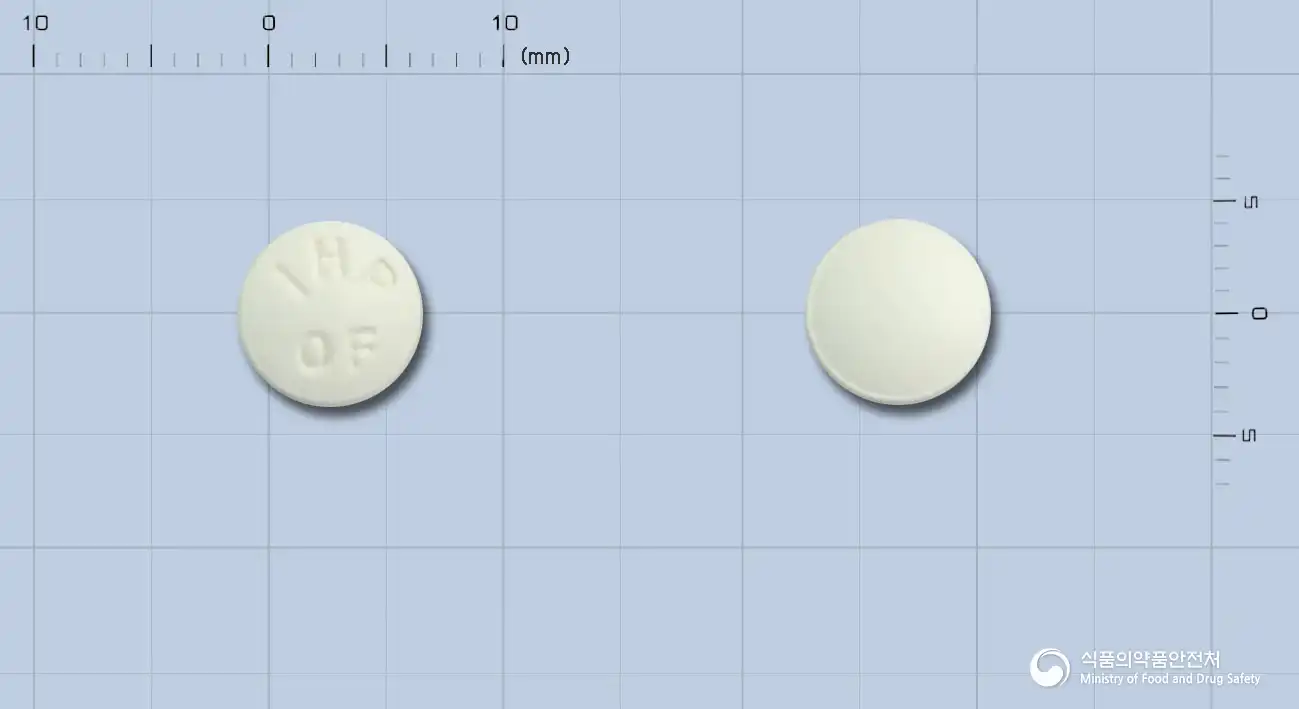
Ofloxacin 100mg
Tablet · Prescription medication
Ilhwa
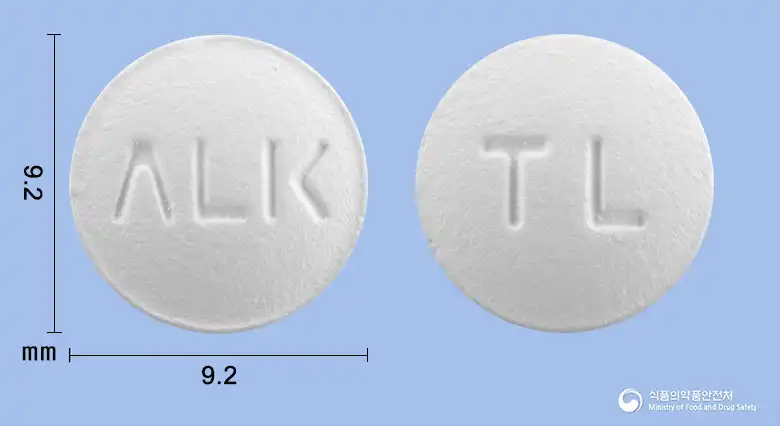
Ofloxacin 100mg
Tablet · Prescription medication
Alvogen Korea Co., Ltd.
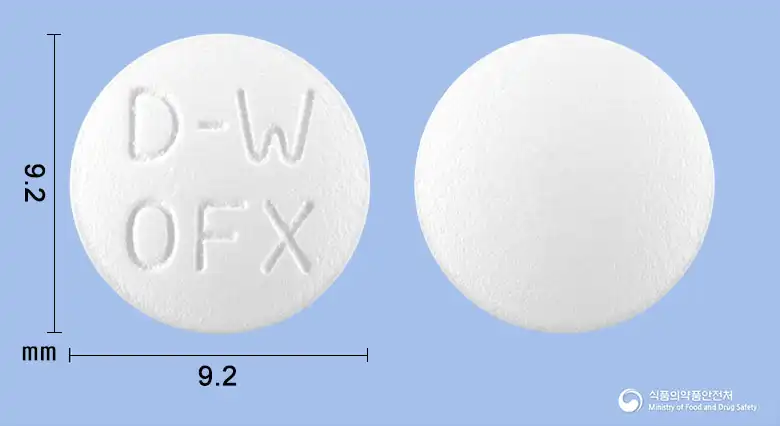
Ofloxacin 100mg
Tablet · Prescription medication
Donghwa Pharmaceutical Co., Ltd.
Ofloxacin
Prescription medication
Gujoo Pharmaceutical Co., Ltd.
Ofloxacin 200mg
Tablet · Prescription medication
Jeil Pharmaceutical Co., Ltd.
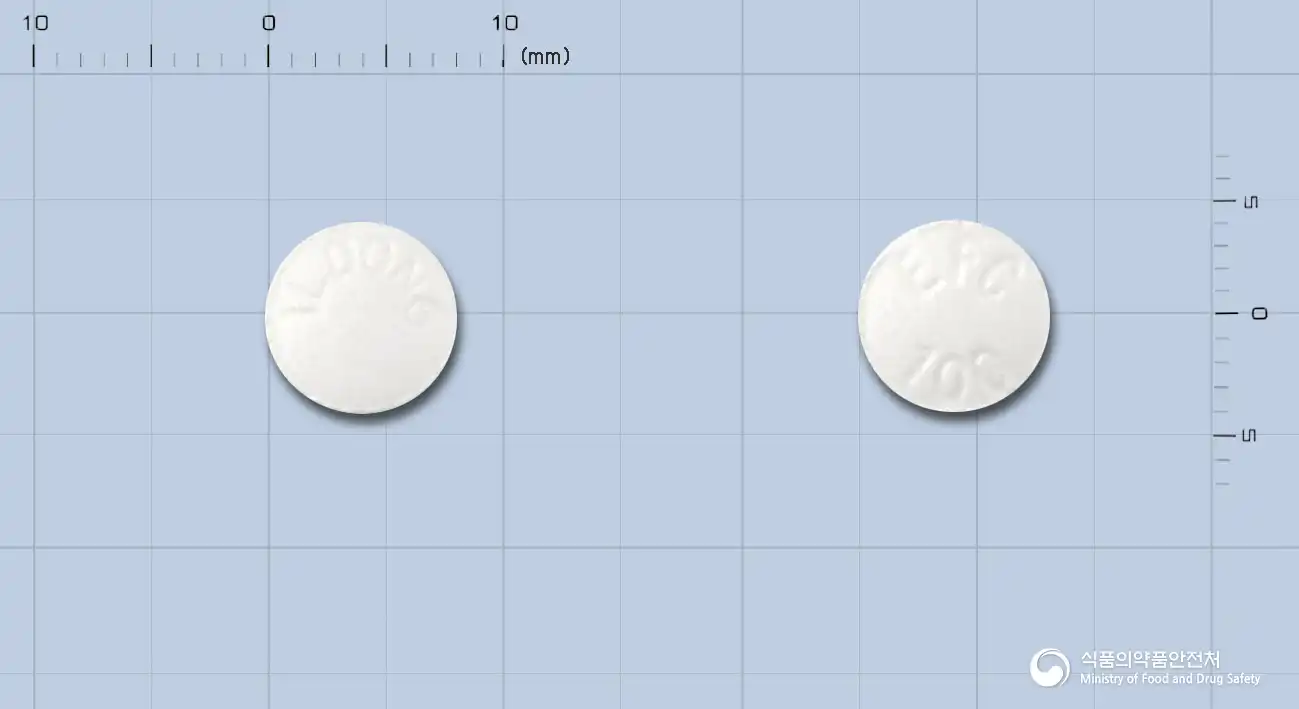
Ofloxacin 100mg
Tablet · Prescription medication
Il Dong Pharmaceutical Co., Ltd.
Even with the same ingredient, the dose and directions can differ by strength and dosage form. Talk to a doctor or pharmacist before switching from a medication you are already taking.
No questions yet.
For anything that needs medical judgment, consult a doctor or pharmacist.
This drug information is based on data provided by the Korea Ministry of Food and Drug Safety.
Consult a doctor or pharmacist for accurate dosage, administration, and usage instructions.