
 한국어
 English
 日本語
 中文(简体)
Summary
- Main use
- Improvement of dizziness caused by chronic cerebral circulatory disorder after cerebral infarction
- Who takes it
- Adults
- Adult dose
- Adults: Administer 10 mg of ibudilast orally 3 times daily. Adjust the dose as appropriate according to symptoms.
Ingredients
- Manufacturer
- Handok Co., Ltd.
Efficacy & effects
Improvement of dizziness caused by chronic cerebral circulatory disorder after cerebral infarction
- Sequelae of cerebral infarction
- chronic cerebral circulation disorder
- dizziness
View approved original textHide original text
This medicine is used to improve dizziness caused by chronic cerebral circulation disorder resulting from sequelae of cerebral infarction.
How to take
Adult dose
Adults: Administer 10 mg of ibudilast orally 3 times daily. Adjust the dose as appropriate according to symptoms.
Precautions
This medication should not be used in patients with unresolved intracranial bleeding. Additionally, it should not be administered to patients with a genetic inability to break down lactose. Caution is required when using this drug in patients with acute cerebral infarction, those with liver function issues, and the elderly. When using this drug, serious side effects such as reduced platelet count may occur; therefore, blood status should be closely monitored. Be aware that liver function may worsen or symptoms of jaundice may appear. Occasionally, allergic reactions such as skin rashes or itching may occur. Nervous system symptoms such as dizziness, headache, insomnia, and drowsiness may also present. Gastrointestinal issues such as decreased appetite, nausea, vomiting, abdominal pain, and indigestion may arise. Symptoms like rapid heartbeat and low blood pressure may rarely occur. Blood abnormalities such as anemia or leukopenia should be monitored, and liver enzyme levels may also rise. This medication should only be used in cases of clearly identified cerebrovascular disorders due to cerebral arteriosclerosis, and administration should be discontinued if there is no effect within 12 weeks. It is advised that women who are pregnant or may become pregnant avoid using this drug, as well as nursing mothers. Safety in children has not been established, so its use is not recommended. Elderly patients may require dosage adjustments due to potentially decreased liver function leading to prolonged drug retention. This drug is in sustained-release capsule form and should not be opened to consume its contents. Keep this medicine out of reach of children and do not transfer it to other containers to maintain its quality.
Side effects
- Thrombocytopenia
- liver dysfunction
- jaundice
- rash
- itching
- dizziness
- headache
- fever
- tremors
- insomnia
Show 25 moreCollapse
- drowsiness
- apathy
- loss of appetite
- nausea
- vomiting
- abdominal pain
- dyspepsia
- abdominal bloating
- diarrhea
- gastric ulcer
- palpitations
- orthostatic hypotension
- flushing
- anemia
- leukopenia
- increased AST
- increased ALT
- increased ALP
- increased γ-GTP
- increased total bilirubin
- malaise
- tinnitus
- facial swelling
- feeling of unreality
- dysgeusia
Not everyone experiences these, and they can vary from person to person.
Storage
This drug should be stored in a tightly sealed container to prevent air ingress and should be kept at room temperature away from direct sunlight. Proper storage helps maintain the effectiveness of the medication for a longer duration.
Appearance and packaging
Appearance
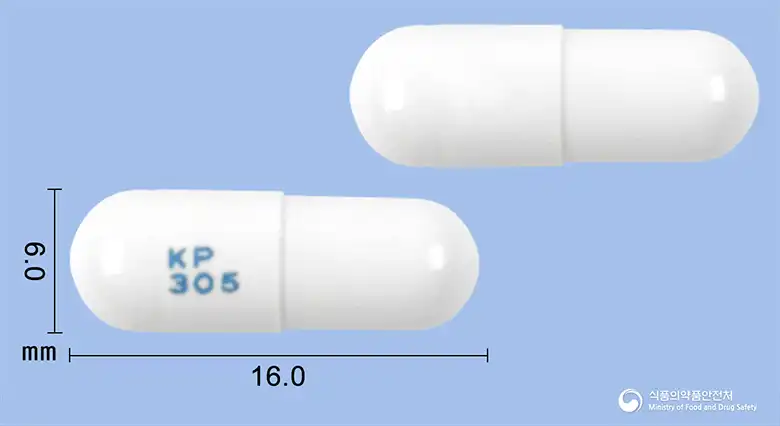
A hard capsule containing white sustained-release granules and enteric-coated sustained-release granules, both in upper and lower halves.
Package unit
30 capsules, 100 capsules per bottle
Questions about this medicine
No questions yet.
For anything that needs medical judgment, consult a doctor or pharmacist.