
 한국어
 English
 日本語
 中文(简体)
Summary
- Main use
- Treatment of hyperphosphatemia in patients with end-stage renal disease
- Who takes it
- Adults
- Adult dose
- 1) Initial dose: Take 2 tablets orally with each meal. 2) Maintenance dose: Gradually increase the dose until the serum phosphate concentration is 6mg/dl or less, without inducing hypercalcemia. The usual dose is 3-4 tablets orally with each meal.
Ingredients
- Manufacturer
- Hanol Bio Pharma Co., Ltd.
Efficacy & effects
Treatment of hyperphosphatemia in patients with end-stage renal disease
- Hyperphosphatemia
View approved original textHide original text
Hyperphosphatemia is common in patients with end-stage renal failure. This medication is used to control excess phosphate accumulation in the body, improving hyperphosphatemia.
How to take
Adult dose
1) Initial dose: Take 2 tablets orally with each meal. 2) Maintenance dose: Gradually increase the dose until the serum phosphate concentration is 6mg/dl or less, without inducing hypercalcemia. The usual dose is 3-4 tablets orally with each meal.
Precautions
This medicine should not be used in patients with hypercalcemia, a condition characterized by high calcium levels in the blood. Upon administration, hypercalcemia may occur, resulting in mild symptoms such as constipation, loss of appetite, nausea, and vomiting. In more severe cases, confusion, decreased consciousness, or coma may occur, requiring caution. During the initial phase of treatment, check blood calcium levels approximately twice a week to determine the appropriate dosage, and dosage adjustment may be necessary. If hypercalcemia worsens, discontinue the medication and, if necessary, perform hemodialysis. This medication may affect heart rhythms, so it is not recommended for patients taking digoxin, a cardiac medication. Blood phosphate levels should be monitored regularly, and non-prescription antacids should be avoided. Additionally, ensure that the combined levels of blood calcium and phosphate do not exceed a certain threshold. This medication may reduce the effectiveness of the specific antibiotic tetracycline, so caution is advised if taken together. During pregnancy, the effects of this medication on the fetus are unclear, and should only be used if the benefits outweigh the risks. Safety and efficacy in children have not been sufficiently established, so it should be used cautiously in pediatric patients. Finally, patients should be adequately informed about the symptoms of hypercalcemia and advised to be vigilant.
Side effects
- hypercalcemia
- constipation
- anorexia
- nausea
- vomiting
- confusion
- perceptual loss
- coma
Not everyone experiences these, and they can vary from person to person.
Storage
This medication may be sensitive to air or moisture, so it should be stored in a tightly sealed container. Avoid storing in places that are too hot or too cold; it is best to keep it at room temperature.
Appearance and packaging
Appearance
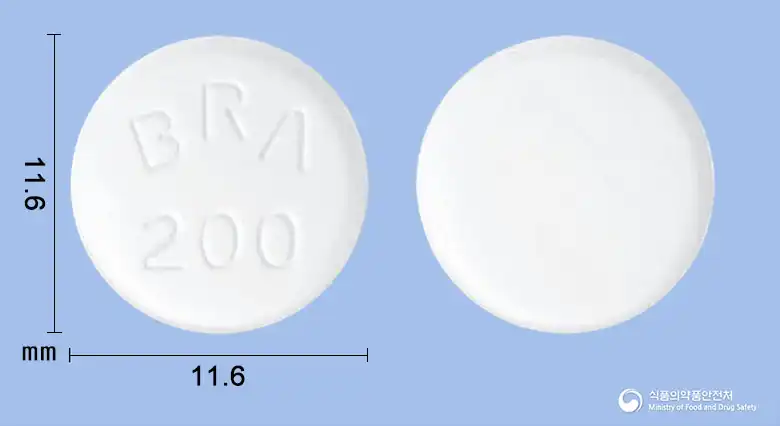
White round tablet
Package unit
30 tablets/bottle, 100 tablets/bottle
Questions about this medicine
No questions yet.
For anything that needs medical judgment, consult a doctor or pharmacist.