
 한국어
 English
 日本語
 中文(简体)
Dosage form image
Viewing nowPentasa Suppository (Mesalazine)
Mesalazine 1000mg
Prescription medication
Korea PhaRing Pharmaceutical Co., Ltd.
MFDS item code 199704520 · Notified 1997.12.06 · Insurance code 652500240
Treatment of ulcerative colitis
This medication is used for the treatment of ulcerative colitis, a condition characterized by inflammation and ulcers in the lining of the colon.
Usually, adults insert 1 suppository into the rectum once daily. As this medicine is a suppository, it is preferable to have a bowel movement before administration. Place the enclosed rubber finger cot on a finger and insert the suppository deep into the anus until resistance is felt and then subsides. It may be moistened with water to facilitate insertion. If the suppository comes out within the first 10 minutes after insertion, a new suppository may be inserted.
This medication should not be administered to patients with allergies to salicylate components. It should not be used in patients with severe liver or kidney impairment, peptic ulcers, blood coagulation disorders, and infants less than 4 weeks old or premature infants. Caution is advised in patients with bronchial asthma, those who are allergic to other medications, those with mild liver or kidney function, patients with blood disorders, pregnant or nursing women, children, and the elderly. While using this medication, side effects such as diarrhea, nausea, abdominal pain, headache, vomiting, and skin rashes may occur, so caution is necessary. Severe allergic reactions or serious skin reactions, cardiac inflammation, lung diseases, blood abnormalities, liver dysfunction, and kidney issues may occur; if any abnormal symptoms appear, consult a doctor immediately. During the course of treatment with this medication, regular blood tests, liver function tests, and kidney function tests should be conducted, especially if kidney impairment is found, treatment should be discontinued. When taken with other medications, interactions may occur, so consultation with a doctor or pharmacist is necessary, especially with drugs that may cause kidney toxicity. In pregnant or nursing individuals, this medication should only be used cautiously if the benefits are deemed to outweigh the risks; if diarrhea or other unusual reactions occur during breastfeeding, nursing should be stopped. Elderly patients may have reduced kidney function, so regular blood tests should be performed to carefully monitor their condition during the course of treatment with this medication. In case of overdose, symptoms typical of salicylate toxicity may appear, and as there is no specific antidote, treatment should be based on the symptoms. This medication should be stored out of reach of children, and it is important to avoid changing the storage container.
Diarrhea, nausea, abdominal pain, headache, vomiting, rash, hypersensitivity reaction, drug reaction with eosinophilia and systemic symptoms (DRESS syndrome), Stevens-Johnson syndrome (SJS), toxic epidermal necrolysis (TEN), itching, discomfort in the rectum, inability to control bowel movements, anemia, aplastic anemia, agranulocytosis, neutropenia, leukopenia, pancytopenia, thrombocytopenia, eosinophilia, anaphylactic reaction, dizziness, peripheral neuropathy, idiopathic intracranial hypertension, myocarditis, pericarditis, dyspnea, cough, bronchospasm, allergic alveolitis, pulmonary eosinophilia, interstitial lung disease, pulmonary infiltrate, pneumonia, pleuritis, distension, increased amylase, acute pancreatitis, colitis, increased aminotransferases, cholestasis, hepatotoxicity, hepatitis, cholestatic hepatitis, cirrhosis, liver failure, urticaria, erythematous rash, photosensitivity, hair loss, allergic rash, erythema multiforme, myalgia, arthralgia, erythema nodosum, renal dysfunction, acute and chronic interstitial nephritis, nephrotic syndrome, renal failure, nephrolithiasis, urine discoloration, reversible sperm deficiency, hyperthermia, abdominal bloating, belching, increased methemoglobin levels, conjunctivitis, adolescent benign intracranial hypertension, angioedema
Not everyone experiences these, and they can vary from person to person.
This medication should be stored away from direct sunlight, at a cool room temperature. It must also be stored in a closed container to keep air out.
White to light yellowish-brown suppository with speckles
28 pieces/box
Even with the same ingredient, strength, dosage form and how it is taken can differ.
Mesalazine 1000mg
Prescription medication
Korea PhaRing Pharmaceutical Co., Ltd.
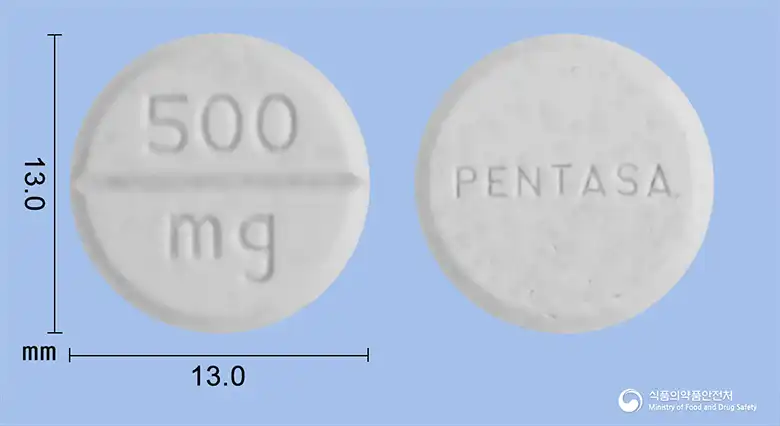
Mesalazine 500mg
Tablet · Prescription medication
Korea Ferring Pharmaceutical Co., Ltd.
Mesalazine 4g
Suspension · Prescription medication
Daewoong Pharmaceutical Co., Ltd.
Mesalazine 500mg
Prescription medication
Daiwoong Pharmaceutical Co., Ltd.
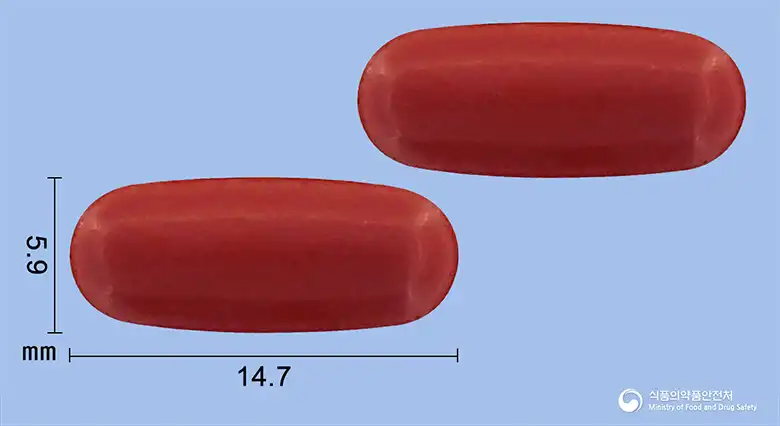
Mesalazine 400mg
Tablet · Prescription medication
Daewoong Pharmaceutical Co., Ltd.
Mesalazine 1g
Prescription medication
Korea Ferring Pharmaceuticals Co., Ltd.
Mesalazine 2g
Prescription medication
Korea Ferring Pharmaceuticals Co., Ltd.
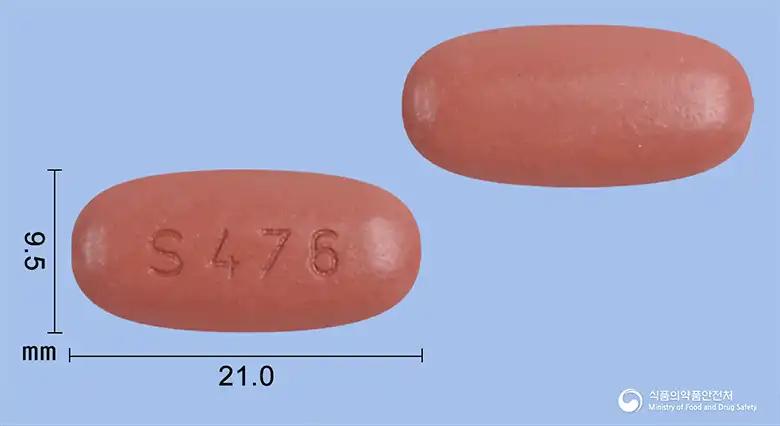
Mesalazine 1200mg
Tablet · Prescription medication
Takeda Pharmaceuticals Korea Co., Ltd.
Even with the same ingredient, the dose and directions can differ by strength and dosage form. Talk to a doctor or pharmacist before switching from a medication you are already taking.
No questions yet.
For anything that needs medical judgment, consult a doctor or pharmacist.
This drug information is based on data provided by the Korea Ministry of Food and Drug Safety.
Consult a doctor or pharmacist for accurate dosage, administration, and usage instructions.