
 한국어
 English
 日本語
 中文(简体)
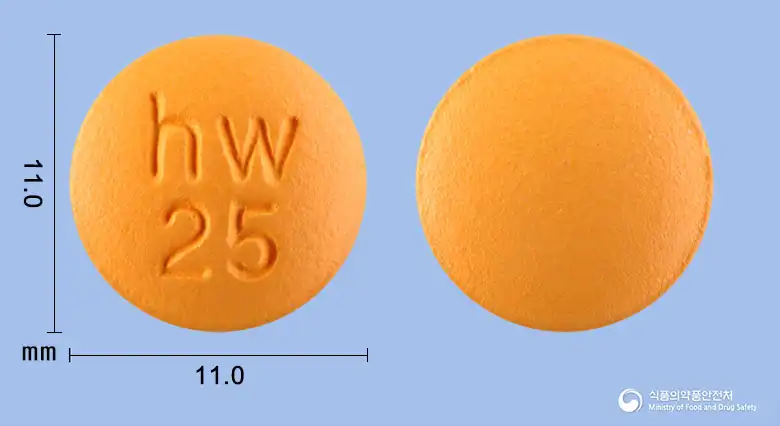 Viewing now
Hawon Talniflumate Tablets
Talniflumate 370mg
Tablet · Prescription medication
Hawon Pharmaceutical Co., Ltd.
MFDS item code 199702839 · Notified 1997.02.03 · Insurance code 651502330
Treatment of arthritis (e.g., rheumatoid arthritis)
This medication is used to relieve inflammation and pain associated with joint diseases such as rheumatoid arthritis and degenerative osteoarthritis.
Administer 370 mg of talniflumate orally 3 times daily. In severe cases, administer 740 mg per dose. Adjust the dose as appropriate according to age and symptoms.
Patients who regularly consume more than three drinks a day must consult a physician or pharmacist before taking this medication, as this can lead to gastrointestinal bleeding. Furthermore, this medication may increase the risk of cardiovascular events, which could lead to serious cardiovascular problems such as myocardial infarction or stroke. Patients with pre-existing cardiovascular diseases or risk factors should exercise greater caution and closely monitor cardiovascular symptoms during treatment. This medication can also affect the gastrointestinal tract, posing a risk of serious problems such as bleeding, ulcers, or perforation in the stomach or intestines. This risk may be heightened in older patients or those taking it for long periods; therefore, if gastrointestinal symptoms occur, immediate medical evaluation and intervention are necessary. This medication should not be administered to patients with a history of peptic ulcers or allergies to specific components, patients who have had allergic reactions to non-steroidal anti-inflammatory drugs such as aspirin, those with severe liver, kidney, or heart disease, pregnant women or those who might become pregnant, nursing mothers, and patients with hereditary lactose intolerance. Patients with mild to moderate liver, kidney, or heart dysfunction, the elderly, and those with allergies to specific dyes should use this medication with caution. This medication can cause hypersensitivity reactions, such as nausea, vomiting, allergic symptoms, and rarely asthma attacks or severe skin reactions; thus, any abnormal symptoms should be reported immediately to healthcare professionals. For long-term use, regular blood tests and liver and kidney function tests should be performed, and if any abnormal findings are detected, the dosage should be adjusted or the medication discontinued. It is advisable not to take this medication with other anti-inflammatory analgesics. It may interact with certain antihypertensive medications, diuretics, anticoagulants, lithium, methotrexate, etc., so any concurrent medications should be disclosed to a physician or pharmacist. During pregnancy, especially in the late stages, it should not be taken due to potential risks to the fetus; additionally, nursing mothers should consider the possibility of medication transfer through breast milk and may need to stop breastfeeding or discontinue the medication. It should not be administered to children under 12 years old, and for the elderly, the minimum dose should be carefully administered while monitoring for adverse reactions. Finally, this medication should be kept out of reach of children and not transferred to other containers for safety.
Not everyone experiences these, and they can vary from person to person.
This medication should be stored in a sealed container to prevent air ingress and should be kept at room temperature between 1 and 30 degrees Celsius. Storing it this way will help maintain the effectiveness of the medication for a longer period.
Orange round film-coated tablets
30 tablets/bottle, 300 tablets/bottle
Even with the same ingredient, strength, dosage form and how it is taken can differ.
Viewing nowTalniflumate 370mg
Tablet · Prescription medication
Hawon Pharmaceutical Co., Ltd.
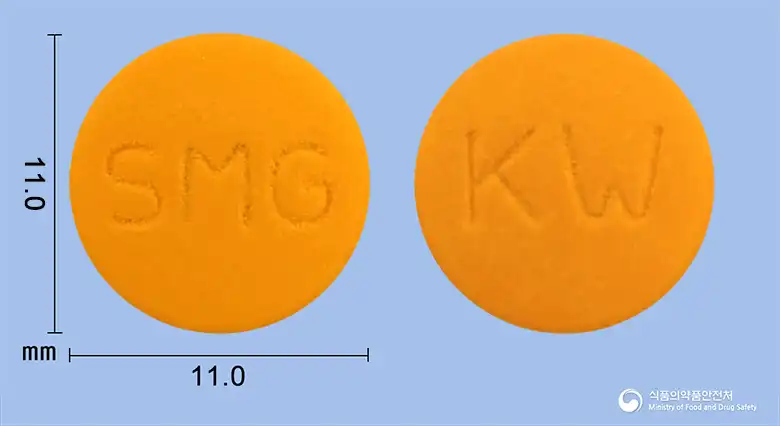
Talniflumate 370mg
Tablet · Prescription medication
Albozen Korea Co., Ltd.
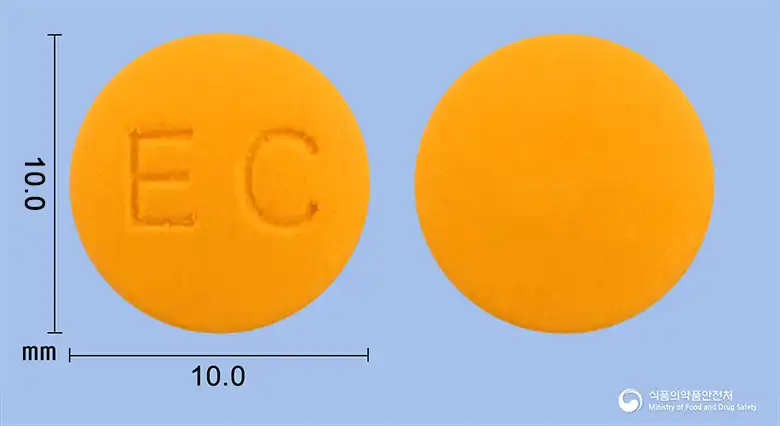
Talniflumate 370mg
Tablet · Prescription medication
Dongsung Pharm Co., Ltd.
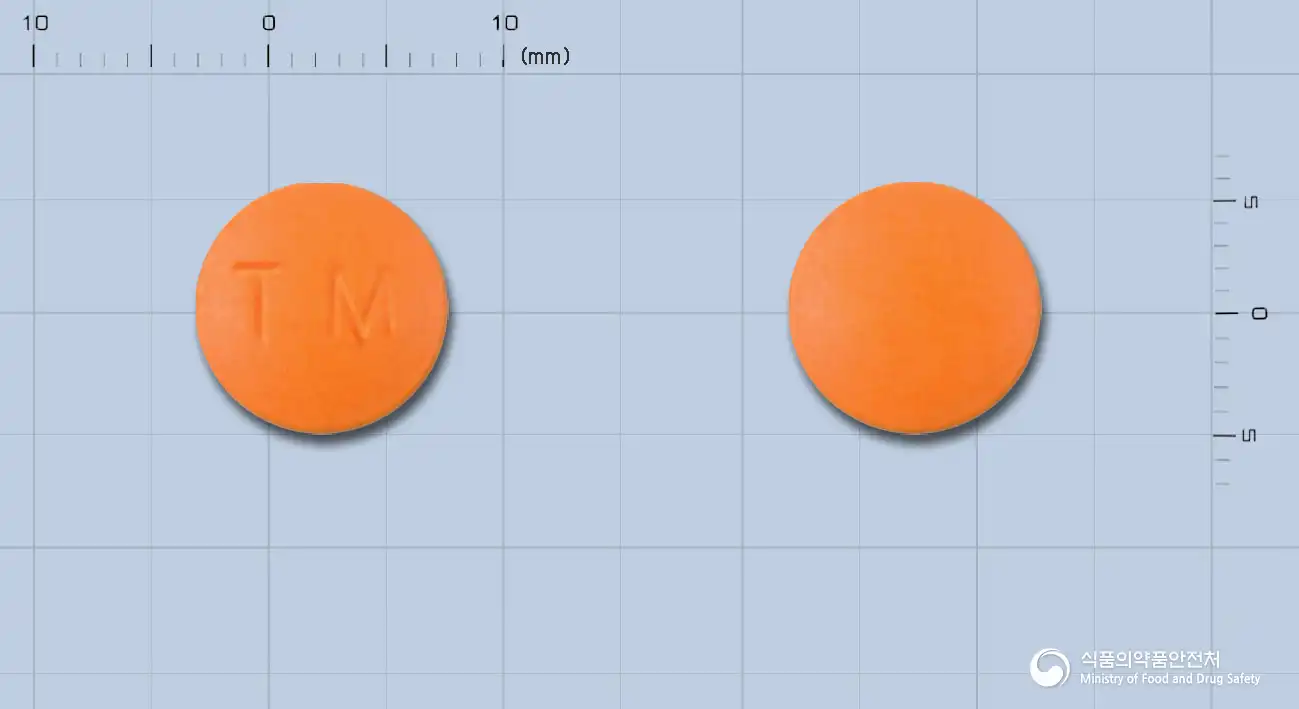
Talniflumate 370mg
Tablet · Prescription medication
Daewoo Pharmaceutical Co., Ltd.
Talniflumate 370mg
Tablet · Prescription medication
Samchundang Pharmaceutical Co., Ltd.
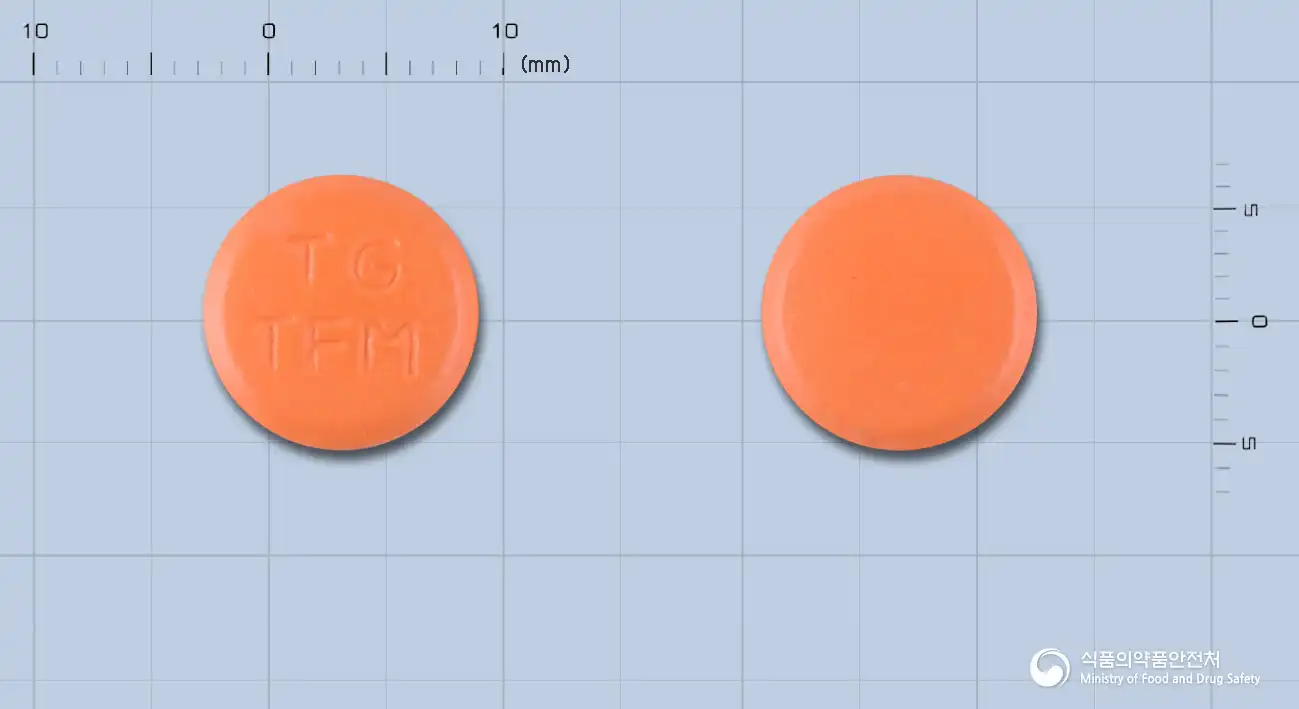
Talniflumate 370mg
Tablet · Prescription medication
Taegeuk Pharmaceutical Co., Ltd.
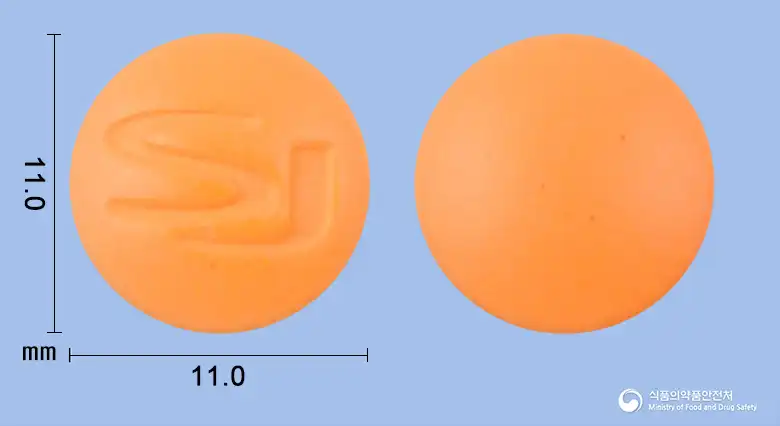
Talniflumate 370mg
Tablet · Prescription medication
Samjin Pharmaceutical Co., Ltd.
Talniflumate 370mg
Tablet · Prescription medication
Daehwa Pharmaceutical Co., Ltd.
Even with the same ingredient, the dose and directions can differ by strength and dosage form. Talk to a doctor or pharmacist before switching from a medication you are already taking.
No questions yet.
For anything that needs medical judgment, consult a doctor or pharmacist.
This drug information is based on data provided by the Korea Ministry of Food and Drug Safety.
Consult a doctor or pharmacist for accurate dosage, administration, and usage instructions.