
 한국어
한국어 English
 日本語
日本語 中文(简体)
Dosage form image
Viewing nowCafenac Injection (Diclofenac Sodium)
Diclofenac Sodium 37.5mg
Solution · Prescription medication
Hana Pharmaceutical Co., Ltd.
MFDS item code 199702363 · Notified 1997.02.20 · Insurance code 657801731
Relief of inflammation and pain associated with rheumatoid arthritis and osteoarthritis (degenerative joint disease), etc.
This medication is primarily used for the treatment of rheumatoid arthritis, osteoarthritis (degenerative joint disease), and ankylosing spondylitis. It is also effective for inflammation and pain occurring after surgery or trauma, acute gout, non-articular rheumatism, low back pain, toothache, dysmenorrhea, inflammation and pain in the ear, nose and throat area, and pericapsulitis. In the form of injection, it can be used for renal colic and hepatic colic, thus addressing various inflammatory conditions. This medication is utilized to improve symptoms associated with various joint and inflammatory diseases according to its different forms.
(Orally) The initial dose of diclofenac sodium is 100-150 mg per day; for those who have achieved relief or are on long-term treatment, it is 75-100 mg divided into 2-3 doses per day. (Injection) Diclofenac sodium 75 mg (1 ampoule) should be deeply injected into the upper part of one buttock once daily. In severe cases, 75 mg can be administered twice a day, alternating between both buttocks.
(Orally) Administer 0.5-3 mg per kg of body weight divided into 2-3 doses per day. Adjust according to age, condition, and symptoms.
This medication should not be taken regularly by individuals who consume three or more alcoholic drinks daily without consulting a doctor or pharmacist prior to use, as it may increase the risk of gastrointestinal bleeding when taken with alcohol. It can affect the heart and blood vessels, so caution is necessary for individuals with cardiovascular diseases or risk factors. Serious issues such as myocardium infarction or stroke may occur, so symptoms should be carefully monitored. Serious problems like gastrointestinal bleeding, ulcers, or perforation may develop, so those with a history of gastrointestinal diseases or the elderly should be particularly careful. If gastrointestinal bleeding symptoms appear during treatment with this medication, consult a doctor immediately. Severe allergic reactions can lead to myocardial infarction, so if abnormal symptoms such as chest pain occur, immediate notification to medical personnel is required. This medication is not recommended for premature infants or newborns, especially preparations containing benzyl alcohol should be used with even more caution. When using ampoule injections, strict cleanliness and safety should be maintained as glass fragments may be mixed in. Special care is required when administering to children or the elderly. Patients with peptic ulcers, severe liver or kidney impairment, severe hypertension, heart failure, or hypersensitivity to any components of this medication should not use it. Patients with a history of asthma or allergic reactions should be cautious when using this medication, especially those sensitive to aspirin or other non-steroidal anti-inflammatory drugs may be at risk. Prolonged use of this medication may result in adverse reactions in several areas such as the liver, kidneys, blood, and skin; therefore, regular testing is necessary. This medication may increase blood pressure, so patients with hypertension should frequently monitor their blood pressure while taking it, and patients with heart failure or edema should also be cautious. There may be interactions with other medications; therefore, consultation with a doctor is necessary when taking this medication alongside other non-steroidal anti-inflammatory drugs, anticoagulants, diuretics, lithium, methotrexate, etc. During pregnancy, particularly in the late stages, it should be avoided as it may harm the fetus, and nursing mothers should consult their doctor before taking this medication to decide whether to discontinue breastfeeding. When administering this medication to children or the elderly, it should be given at the minimum effective dose with great caution, particularly being attentive to signs of adverse reactions. In case of overdose, severe symptoms such as hypotension, renal failure, seizures, and respiratory depression may occur, necessitating immediate medical attention.
Hives, rash, itching, eczema, dermatitis, angioedema, erythema multiforme, flushing, exudative dermatitis, photosensitivity, redness, elevated blood pressure, decreased blood pressure, palpitations, tachycardia, congestive heart failure, ventricular extrasystole, epistaxis, asthma, oropharyngeal edema, interstitial pneumonia, frequent urination, nocturia, erectile dysfunction, vaginal bleeding, edema, general malaise, sweating, symptoms of aseptic meningitis (nausea, vomiting, insomnia, stiffness of the neck, fever, altered consciousness).
Not everyone experiences these, and they can vary from person to person.
This medication is sensitive to light, so it should be stored in a container that prevents light exposure. Additionally, it is best to keep it at room temperature between 1 and 30 degrees Celsius. Proper storage will help maintain the effectiveness of the medication safely.
Brown ampoules containing a colorless, transparent solution
2mL/ampoule x 50 ampoules
Even with the same ingredient, strength, dosage form and how it is taken can differ.
Diclofenac Sodium 37.5mg
Solution · Prescription medication
Hana Pharmaceutical Co., Ltd.

Diclofenac Sodium 25mg
Tablet · Prescription medication
Dongkwang Pharmaceutical Co., Ltd.
Diclofenac Sodium 75mg
Prescription medication
Ajou Pharmaceuticals Co., Ltd.
Diclofenac Sodium 37.5mg
Prescription medication
Hwanin Pharmaceutical Co., Ltd.
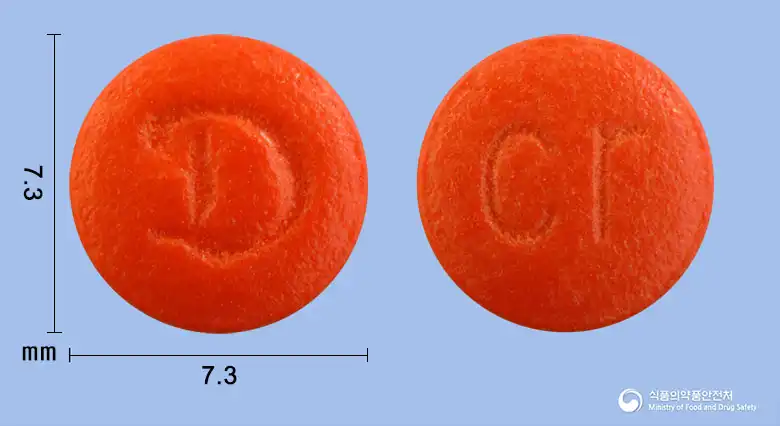
Diclofenac Sodium 25mg
Tablet · Prescription medication
GL Pharma Co., Ltd.
Diclofenac Sodium 75mg
Solution · Prescription medication
YuYoung Pharmaceutical Co., Ltd.
Diclofenac Sodium 37.5mg
Prescription medication
Daehwa Pharmaceutical Co., Ltd.
Diclofenac Sodium 37.5mg
Prescription medication
Dongkwang Pharmaceutical Co., Ltd.
Even with the same ingredient, the dose and directions can differ by strength and dosage form. Talk to a doctor or pharmacist before switching from a medication you are already taking.
No questions yet.
For anything that needs medical judgment, consult a doctor or pharmacist.
This drug information is based on data provided by the Korea Ministry of Food and Drug Safety.
Consult a doctor or pharmacist for accurate dosage, administration, and usage instructions.