
 한국어
 English
 日本語
 中文(简体)
Dosage form image
Viewing nowTabinul Injection (Glycopyrrolate)
Glycopyrrolate 0.2mg
Prescription medication
Hana Pharm Co., Ltd.
MFDS item code 199702359 · Notified 1997.02.26 · Insurance code 657801951
Suppression of reactions during anesthesia (excessive secretions, bradycardia, etc.); adjunctive treatment of peptic ulcers
This medication has multiple effects during anesthesia. First, it reduces the secretion of saliva, bronchial secretion, pharyngeal secretion, and gastric acid, thus creating a safer surgical environment. Additionally, it prevents the cardiac vagal inhibition reflex that can occur during anesthesia, stabilizing cardiac rhythm. It also helps prevent side effects such as bradycardia or excessive secretion that can arise when using non-depolarizing muscle relaxants. Furthermore, it is used as an adjunctive treatment for patients with peptic ulcers who require rapid anticholinergic action or have difficulty with oral administration. Thus, this medication enhances the safety of the anesthesia process and assists in the treatment of peptic ulcers.
Administer by intramuscular or intravenous injection; it may be administered undiluted. 1. During anesthesia 1) Adults ① Preoperative administration: Administer glycopyrrolate 0.004㎎ (0.02㎖) per kg of body weight by intramuscular injection 30-60 minutes before the expected induction of anesthesia or at the time of preanesthetic medication (narcotics and/or sedatives), at the recommended dose. ② Intraoperative administration: Administer to prevent vagal reflexes induced by drugs or associated with arrhythmia. Administer 0.1㎎ (0.5㎖) intravenously per dose; repeat at 2-3-minute intervals if necessary. Determine the number of doses after identifying the cause of the arrhythmia, and take appropriate measures during surgery and anesthesia to correct parasympathetic imbalance. ③ Administration to reverse neuromuscular blockade: Administer glycopyrrolate 0.2㎎ (1㎖) intravenously for every 1.0㎎ of neostigmine or 5.0㎎ of pyridostigmine. The drugs may be administered simultaneously by intravenous injection and mixed to minimize cardiac adverse effects. 2. Adjunctive treatment of peptic ulcer Administer glycopyrrolate 0.1㎎ (0.5㎖) per dose 3-4 times daily at 4-hour intervals by subcutaneous, intramuscular, or intravenous injection. If a stronger effect is required, 0.2㎎ (1.0㎖) may be administered.
Children aged 1 month-12 years, preoperative administration: Administer glycopyrrolate 0.004㎎ (0.02㎖) per kg of body weight by intramuscular injection 30-60 minutes before the expected induction of anesthesia or at the time of preanesthetic medication (narcotics and/or sedatives), at the recommended dose. Children aged 1 month-2 years, preoperative administration: 0.008㎎ (0.04㎖) per kg of body weight may be administered. Intraoperative administration: This product has a prolonged effect, so additional administration is rarely necessary if it was given preoperatively. If administered, give 0.004㎎ (0.02㎖) per kg of body weight intravenously; do not exceed a single dose of 0.1㎎ (0.5㎖). For repeat doses, allow 2-3 minutes between administrations. Administration to reverse neuromuscular blockade: Administer glycopyrrolate 0.2㎎ (1㎖) intravenously for every 1.0㎎ of neostigmine or 5.0㎎ of pyridostigmine. The drugs may be administered simultaneously by intravenous injection and mixed to minimize cardiac adverse effects.
This medication contains benzyl alcohol, which can cause life-threatening respiratory issues in premature infants, thus caution is especially necessary. When opening the ampoule, care must be taken to avoid glass fragments, and caution should be exercised when using it for children and the elderly. This medication should not be used in certain patients, including those with allergies to the drug, glaucoma, obstructive urinary tract disease, gastrointestinal obstruction, paralytic ileus, severe cardiovascular problems, severe ulcerative colitis, myasthenia gravis, and children under 12 years of age. Women who are pregnant or breastfeeding, patients with cardiac diseases, hyperthyroidism, or asthma should use this medication cautiously. The use of this drug can lead to various side effects including dry mouth, urinary disorders, blurred vision due to pupil dilation, increased intraocular pressure, tachycardia, palpitations, reduced sweating, loss of taste, headache, nervousness, drowsiness, weakness, dizziness, insomnia, nausea, vomiting, erectile dysfunction, suppression of milk secretion, constipation, swelling, sensitivity, and confusion or excitement in the elderly. Using it in high-temperature environments can reduce sweating, increasing the risk of heat illness, thus caution is needed. Drowsiness or visual disturbances may occur, so driving or operating dangerous machinery should be avoided. In case of overdose, specific medications should be used for treatment, and if serious symptoms arise, immediate medical attention should be sought. This medication can be used with multiple drugs, but problems may occur when mixed with certain medications, so it must be used under the guidance of a professional. When used during anesthesia, there is a risk of cardiac arrhythmias, so extreme caution is necessary.
Not everyone experiences these, and they can vary from person to person.
This medication should be stored at room temperature, and it is important to keep it in a sealed container to prevent air exposure. This ensures the maintenance of the drug's efficacy and prevents degradation.
A colorless and transparent liquid in a colorless and transparent ampoule
For domestic use - 50 ampoules/box [1 mL/ampoule]
Even with the same ingredient, strength, dosage form and how it is taken can differ.
Glycopyrrolate 0.2mg
Prescription medication
Hana Pharm Co., Ltd.
Glycopyrrolate 0.2mg
Prescription medication
Myungmoon Pharmaceutical Co., Ltd.
Glycopyrrolate 0.2mg
Prescription medication
Iyeon Pharmaceutical Co., Ltd.
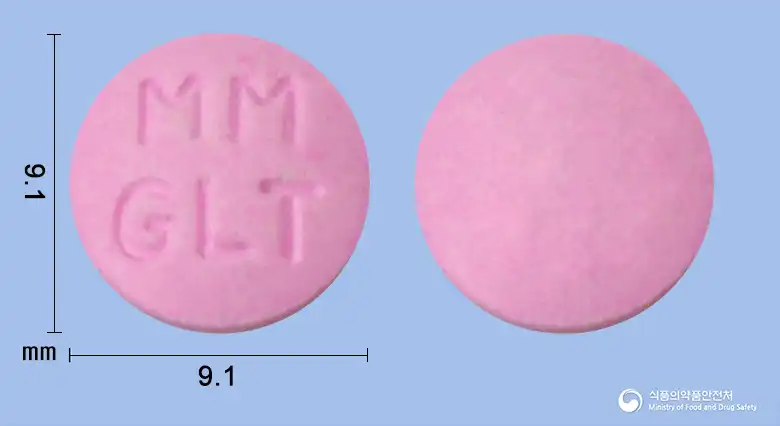
Glycopyrrolate 1mg
Tablet · Prescription medication
Myeongmun Pharmaceutical Co., Ltd.
Glycopyrrolate 0.2mg
Prescription medication
Samhcheondang Pharmaceutical Co., Ltd.
Glycopyrrolate 0.2mg
Injections · Prescription medication
BC World Pharma Co., Ltd.
Glycopyrrolate 23.4mg
OTC medication
Person Co., Ltd.
Even with the same ingredient, the dose and directions can differ by strength and dosage form. Talk to a doctor or pharmacist before switching from a medication you are already taking.
No questions yet.
For anything that needs medical judgment, consult a doctor or pharmacist.
This drug information is based on data provided by the Korea Ministry of Food and Drug Safety.
Consult a doctor or pharmacist for accurate dosage, administration, and usage instructions.