
 한국어
 English
 日本語
 中文(简体)
 Viewing now
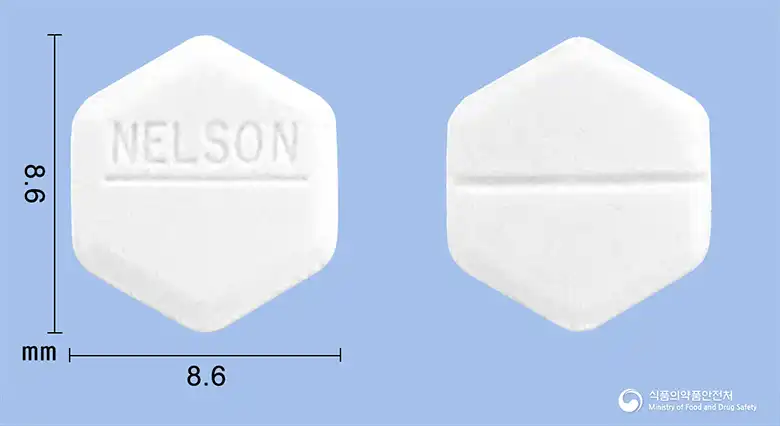
Korea Nelson Misoprostol Tablets (Misoprostol 100 Concentrate)
Misoprostol 1% 20mg
Tablet · Prescription medication
Korea Nelson Pharmaceutical Co., Ltd.
MFDS item code 199702117 · Notified 1997.07.03 · Insurance code 656701430
Treatment of gastric and duodenal ulcers; prevention and treatment of NSAID-induced gastritis, duodenitis, and ulcers
This medication is used for the prevention and treatment of gastric and duodenal ulcers. In particular, it helps to prevent and treat inflammation and ulcers of the stomach and duodenum that may occur during long-term use of non-steroidal anti-inflammatory drugs (NSAIDs). Therefore, this drug protects the gastric mucosa, preventing the worsening of ulcers and supporting rapid recovery. It is effective in improving gastrointestinal health and can be safely used.
1. Treatment of gastric and duodenal ulcers and gastroduodenitis and gastric and duodenal ulcers caused by nonsteroidal anti-inflammatory drugs: Take 1 tablet (200㎍ of misoprostol per dose) orally 4 times daily for 4∼8 weeks with meals and at bedtime. 2. Prevention of gastroduodenitis and gastric and duodenal ulcers caused by nonsteroidal anti-inflammatory drugs: Take 2∼4 tablets daily (400∼800㎍ of misoprostol) orally in divided doses with meals and at bedtime. Administer this medicine during treatment with nonsteroidal anti-inflammatory drugs as directed by a physician. To minimize diarrhea, which may occur as an adverse effect, take this medicine with food and avoid concomitant use (taking together) with magnesium-containing antacids. Adjust the dose as appropriate according to age and symptoms.
This medication should not be administered to pregnant women as it may cause miscarriage. Women who may become pregnant must undergo a pregnancy test before taking this medication and must use effective contraception. This medication must not be given to anyone who may become pregnant, and the risks associated with pregnancy while taking it must be thoroughly explained. It should not be used in case of allergy to Misoprostol or any of its other components. Patients at risk of severe blood pressure drop, such as those with cerebrovascular disease or coronary artery disease, should use this medication cautiously. Patients with liver function problems should also take caution when using this medication. Serious allergic reactions, such as shock or difficulty breathing, may occur while taking this medication, so if any symptoms arise, immediately discontinue use and consult healthcare professionals. Gastrointestinal side effects may include diarrhea, abdominal pain, and nausea, and in rare cases, severe diarrhea may lead to dehydration, so caution is needed. This medication can burden the stomach, hence it is advisable not to take it with antacids containing magnesium, and it is recommended to take during meals or at bedtime. Patients with diabetes, gout, or kidney function abnormalities should regularly monitor their condition while taking this medication. Blood-related abnormal symptoms, gynecological bleeding, skin rashes, headaches, dizziness, and other side effects may occur, so if symptoms arise, discuss with healthcare professionals. Exposure to this medication during pregnancy increases the risk of congenital malformations or severe issues for the fetus, thus it should NEVER be taken during pregnancy. Lactating women should also avoid taking this medication as it may affect the baby, making it unsafe for use. Safety has not been established in children, so use is not recommended. Elderly patients should be cautious as dosage adjustment or discontinuation may be needed if gastrointestinal side effects occur. In case of overdose, symptoms such as severe diarrhea, uterine contractions, hypotension, and difficulty breathing may appear, and immediate medical attention is necessary. This medication should be stored out of reach of children and should not be transferred to another container for safety.
Not everyone experiences these, and they can vary from person to person.
This medication should be stored in a tightly sealed container that is well-aired and kept at a temperature between 1 to 30 degrees Celsius. Proper storage will help maintain the medication's effectiveness.
White hexagonal tablet
500 tablets/bottle, 30 tablets/bottle
Even with the same ingredient, strength, dosage form and how it is taken can differ.
Viewing nowMisoprostol 1% 20mg
Tablet · Prescription medication
Korea Nelson Pharmaceutical Co., Ltd.
Misoprostol 1% 20mg
Tablet · Prescription medication
Shinpoong Pharmaceutical Co., Ltd.
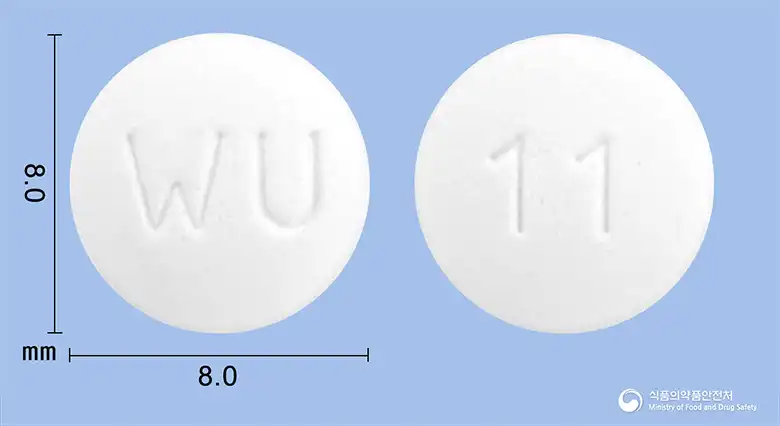
Misoprostol 1% 20mg
Tablet · Prescription medication
Withus Pharmaceutical Co., Ltd.
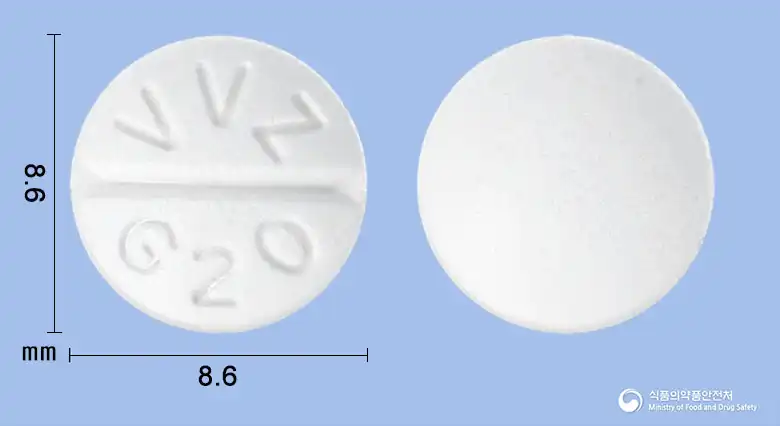
Misoprostol 1% 20mg
Tablet · Prescription medication
Bivorzon Pharmaceutical Co., Ltd.
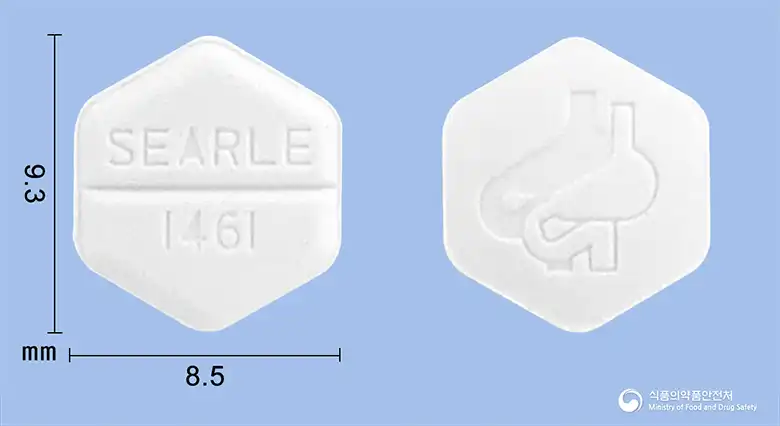
Misoprostol 1% 200mg
Tablet · Prescription medication
Pfizer Korea Co., Ltd.
Misoprostol 1% 10mg
Tablet · Prescription medication
Vivozon Pharmaceutical Co., Ltd.
Even with the same ingredient, the dose and directions can differ by strength and dosage form. Talk to a doctor or pharmacist before switching from a medication you are already taking.
No questions yet.
For anything that needs medical judgment, consult a doctor or pharmacist.
This drug information is based on data provided by the Korea Ministry of Food and Drug Safety.
Consult a doctor or pharmacist for accurate dosage, administration, and usage instructions.