한국어
 English
 日本語
 中文(简体)
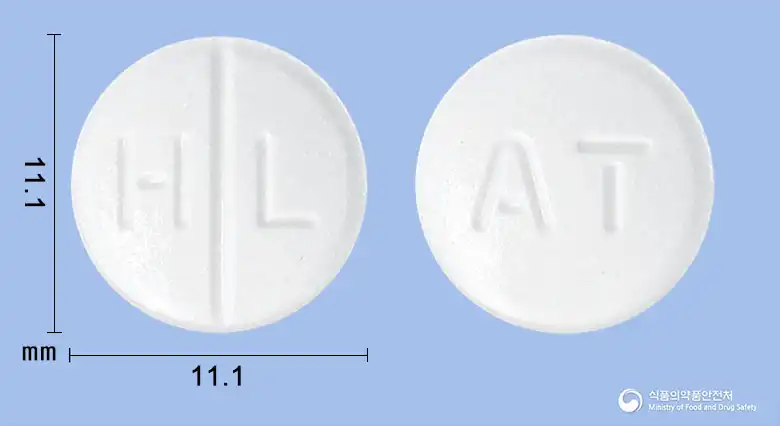
Dosage form image
Viewing nowZoladin Injection (Acetazolamide)
Acetazolamide 500mg
Injections · Prescription medication
BC World Pharmaceutical Co., Ltd.
MFDS item code 199701927 · Notified 1997.03.27 · Insurance code 653101371
Adjunctive treatment of glaucoma, epilepsy, and cardiopulmonary disorders (edema due to heart failure and respiratory acidosis)
This medication helps to alleviate edema caused by congestive heart failure and improves the symptoms of glaucoma. It also aids in the treatment of epilepsy and is used to improve respiratory acidosis in patients with emphysema. Through these actions, it helps effectively manage the symptoms of various conditions.
For diuresis in congestive heart failure, the usual initial dose is 250 ∼ 375 mg of acetazolamide once daily (5 mg/kg), usually in the morning. If the patient continues to be unable to excrete edema fluid after an initial response, do not increase the dose; allow the kidneys to recover by withholding treatment for a day. This medicine may be administered every other day or at more frequent intervals. For the treatment of chronic simple (open-angle) glaucoma, use 250 ∼ 1,000 mg of this medicine per 24 hours, usually in divided doses of 250 mg. Doses of more than 1 g per 24 hours usually do not increase efficacy. Although some patients respond to short-term treatment with 150 mg twice daily, the recommended dose for the treatment of secondary glaucoma and preoperative management of acute congestive (angle-closure) glaucoma is 250 mg every 4 hours. In some acute cases, an initial dose of 500 mg followed by 125 mg or 250 mg every 4 hours may be more effective, depending on the individual patient. For epilepsy, the recommended total daily dose is 8 ∼ 30 mg/kg in divided doses. Although some patients respond to low doses, the usual dosage range is 375 ∼ 1,000 mg of this medicine daily. However, some investigators report that doses exceeding 1 g daily do not produce better results than a dose of 1 g. When this medicine is used in combination with other anticonvulsants, the initial dose should be 250 mg once daily during treatment. This may be increased according to the indications above. Administer 250 ∼ 500 mg of this medicine once daily by intravenous injection.
Epilepsy: The recommended total daily dose is 8 ∼ 30 mg/kg in divided doses.
This medication is a sulfonamide derivative and can cause severe skin and mucous membrane reactions, severe liver damage, blood disorders, and fatal hypersensitivity reactions such as anaphylaxis in some patients. Handle the glass ampoule carefully when using this medication, especially when administering to children or the elderly to prevent side effects from glass fragments. Avoid use in patients with hyperchloremic acidosis, hyponatremia, hypokalemia, adrenal insufficiency, anuria, severe liver or kidney disease, history of sulfonamide hypersensitivity, chronic closed-angle glaucoma, and women in early pregnancy. Administer with caution in patients with atherosclerosis, cerebral arteriosclerosis, severe hypercapnia, those receiving glucocorticoids, elderly individuals, infants, those with liver diseases, and gout patients. This medication may cause various side effects, such as blood disorders, electrolyte imbalances, hypersensitivity reactions, gastrointestinal symptoms, liver dysfunction, neurological issues, eye and hearing problems, kidney issues, skin reactions, etc., so discontinue use immediately if any unusual symptoms occur. Regular testing of serum electrolytes and blood counts is necessary, and it is advisable to avoid driving or operating hazardous machinery due to dizziness or drowsiness caused by blood pressure lowering. This medication can interact with other drugs, so caution is needed when taken with diuretics, antihypertensives, antiepileptics, aspirin, vitamin C, etc. Avoid use during pregnancy, especially in the first trimester, and breastfeeding women should use this medication cautiously as it can be transferred to breast milk and cause side effects in infants. Extra care should be taken when administering to children and the elderly regarding electrolyte imbalances and other side effects, and elderly patients should start with a low dose and be closely monitored. In case of overdose, electrolyte imbalances and central nervous system effects may occur, so immediate consultation with medical personnel is needed, and no specific antidote is available; treatment should be symptomatic. To reduce discomfort from nocturnal urination, it is recommended to administer this medication mainly in the morning. Store in a sealed container to prevent exposure to air or moisture, and keep it out of reach of children by not transferring it to another container.
Not everyone experiences these, and they can vary from person to person.
This medication should be stored in a sealed container to prevent air or moisture ingress, ideally kept at room temperature between 1 and 30 degrees Celsius. This storage method helps maintain the drug's efficacy for a longer duration.
A white crystalline lyophilized powder contained in a colorless, transparent glass vial for injection.
10 vials
Even with the same ingredient, strength, dosage form and how it is taken can differ.
Even with the same ingredient, the dose and directions can differ by strength and dosage form. Talk to a doctor or pharmacist before switching from a medication you are already taking.
No questions yet.
For anything that needs medical judgment, consult a doctor or pharmacist.
This drug information is based on data provided by the Korea Ministry of Food and Drug Safety.
Consult a doctor or pharmacist for accurate dosage, administration, and usage instructions.