한국어
 English
 日本語
 中文(简体)
 Viewing now
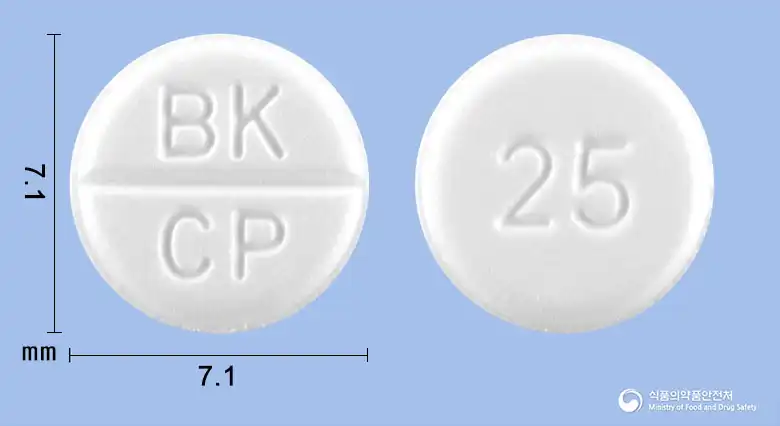
Cetapril 25 mg (Alacepril)
Alacepril 25mg
Tablet · Prescription medication
Bukwang Pharmaceutical Co., Ltd.
MFDS item code 199701740 · Approved 1997.10.27 · Insurance code 642201140
Treatment of essential hypertension
Essential hypertension is a condition where blood pressure is persistently elevated, threatening heart and vascular health. This medication helps control essential hypertension and maintain blood pressure within the normal range. Stabilizing blood pressure can reduce the risk of complications such as stroke or heart disease. Regular use promotes smoother blood pressure control and improves overall cardiovascular health. Therefore, this medication is used for the treatment of essential hypertension.
Adults: Administer alacepril 25 ∼ 75 mg per day orally in 1 ∼ 2 divided doses. For severe cases, the dose may be increased to 100 mg per day. In patients with severe renal impairment, blood levels of active metabolites may increase, causing an excessive reduction in blood pressure. Therefore, if serum creatinine exceeds 3 mg/dL, administer cautiously by reducing the dose or extending the dosing interval.
This medication can cause serious harm to the fetus, especially during pregnancy, and should be discontinued immediately if pregnancy is confirmed. This medication should not be used by patients with allergies to this drug or its components, or with a history of angioedema. Women who are pregnant or may become pregnant should not take this medication, and it is recommended to avoid use while breastfeeding. Patients undergoing certain blood component collection procedures or dialysis may experience side effects from this medication and should avoid its use. Patients with diabetes and impaired kidney function or certain kidney diseases may face risks with this medication, so caution is advised. Patients with severely reduced kidney function require dose adjustments, and those with issues in renal blood flow should avoid this medication. Patients with hyperkalemia should use this medication cautiously as it may worsen potassium levels. Rapid blood pressure drop may occur with initial dosing; therefore, it should be started at a low dose with close monitoring of the patient's condition. Elderly patients, those with severe heart failure, and patients with low fluid or sodium should be treated with particular caution. This medication may cause various side effects, including cough, dizziness, rash, and nausea, with severe adverse reactions like angioedema or agranulocytosis and hyperkalemia potentially occurring. If abnormal symptoms appear, immediate consultation with a doctor is necessary. If blood pressure drops too low, the patient may need to lie down, and fluid supplementation may be required. Blood pressure, kidney function, and electrolyte status should be regularly monitored during treatment with this medication. This medication may interact with other drugs, especially potassium-sparing diuretics, lithium, NSAIDs, and antidiabetic agents, so caution is required when taking them together. During pre- or post-surgery or anesthesia, the use may need to be managed carefully due to its effects on blood pressure control. This medication's safety has not been established for children, and it should be used with caution at a lower dose in older adults. Keep this medication out of the reach of children and store it in its original container to prevent quality degradation.
Not everyone experiences these, and they can vary from person to person.
This medication should be stored in a tightly sealed container to prevent air or moisture from entering, and it is safe to store at room temperature between 1 and 30 degrees Celsius. By storing it this way, the effectiveness of the medication can be maintained for a longer period.
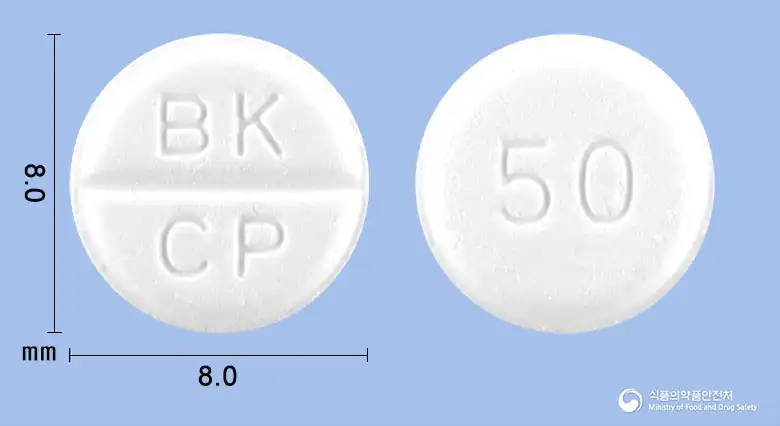
White tablet
30 tablets/bottle, 100 tablets/bottle
Even with the same ingredient, strength, dosage form and how it is taken can differ.
Even with the same ingredient, the dose and directions can differ by strength and dosage form. Talk to a doctor or pharmacist before switching from a medication you are already taking.
No questions yet.
For anything that needs medical judgment, consult a doctor or pharmacist.
This drug information is based on data provided by the Korea Ministry of Food and Drug Safety.
Consult a doctor or pharmacist for accurate dosage, administration, and usage instructions.