
 한국어
한국어 English
 日本語
日本語 中文(简体)
 Viewing now
Spironolactone 50 mg (Spironolactone)
Spironolactone 50mg
Tablet · Prescription medication
Daewon Pharmaceutical Co., Ltd.
MFDS item code 199701668 · Notified 1997.03.12 · Insurance code 671802000
Improvement of hypertension and edema (cardiac, renal, hepatic)
This medication is used to improve electrolyte imbalance problems such as hypertension, primary aldosteronism, and hypokalemia. Additionally, it helps alleviate edema symptoms caused by heart failure, kidney disease, and liver disease. It is particularly effective for treating essential hypertension and renal hypertension, as well as edema resulting from congestive heart failure. This medication excretes excess water and sodium from the body, thereby controlling blood pressure and reducing edema. Through this, it significantly contributes to the management of blood pressure and improvement of edema for patients.
As a spironolactone, take 50-100 mg per day divided into oral doses. When administered as a diuretic, it is advisable to combine it with other diuretics, and upon discontinuation, the dosage should be reduced gradually over 2-3 days before stopping. Adjust according to age and symptoms.
This medication should be used only for specific diseases and unnecessary use should be avoided. Taking it with potassium-rich medications or foods may lead to dangerous hyperkalemia, so they should not be combined. Use with caution in patients with poor liver function, as serious side effects such as hepatic coma may occur. When taken with the medication lithium, excretion of lithium may decrease, increasing toxicity; therefore, it is advisable not to combine them. In patients with severe heart failure, the risk of developing hyperkalemia is high, so potassium levels in the blood should be tested and managed frequently. Patients with very poor kidney function, anuria, severely impaired liver function, or hyperkalemia should not take this medication. It should also not be used if there are allergic reactions or specific genetic diseases. Patients with coronary artery sclerosis, cerebrovascular sclerosis, those with weak liver or kidney function, patients on a sodium-restricted diet, and infants should take caution when using this medication. While taking this medication, various side effects may occur, such as leg cramps, electrolyte imbalance, gynecomastia, skin rashes, gastrointestinal symptoms, and neurological symptoms; thus, if any abnormal symptoms are observed, they should be reported immediately. Long-term use may result in electrolyte imbalance, so regular blood testing is necessary. If symptoms of hyperkalemia are suspected, an electrocardiogram should be conducted, and potassium levels in the blood should be checked frequently. When taken with other blood pressure medications, blood pressure may drop too low, so dosage adjustments should be made carefully. During anesthesia, blood pressure responses may decrease; therefore, healthcare providers should be informed about this medication use. When combining with other specific medications, the risk of side effects may increase due to drug interactions, so it is important to consult a professional. It is advisable not to use this medication during pregnancy as it may affect the fetus, and during breastfeeding, it should be temporarily discontinued as the medication can pass into breast milk. In children, safety and efficacy have not been established, so use should be avoided. Elderly patients should start with a low dose and gradually increase while monitoring their condition carefully, with particular attention to dehydration, hypotension, and electrolyte abnormalities. In case of overdose, emergency measures such as induced vomiting or gastric lavage may be necessary, and if hyperkalemia is severe, appropriate treatment should be administered. This medication is preferably taken in the morning, and long-term use has also been reported to potentially lead to the occurrence of endocrine tumors, necessitating regular check-ups.
Hives, severe swelling (edema), anaphylactic reaction, severe rash accompanied by high fever, blistering, skin peeling, pain in oral/ocular mucosa, yellowing of skin or eyes (jaundice), extreme fatigue, sudden and severe headaches, lightning pain, seizures, confusion of consciousness, visual disturbances, paralysis, notably decreased urine output, severe overall swelling, accompanied by increased blood pressure, difficulty breathing or shortness of breath, asthma
Not everyone experiences these, and they can vary from person to person.
This medication should be stored in a tightly closed container that prevents air or moisture from entering. This will help maintain the medication's effectiveness and prevent deterioration.
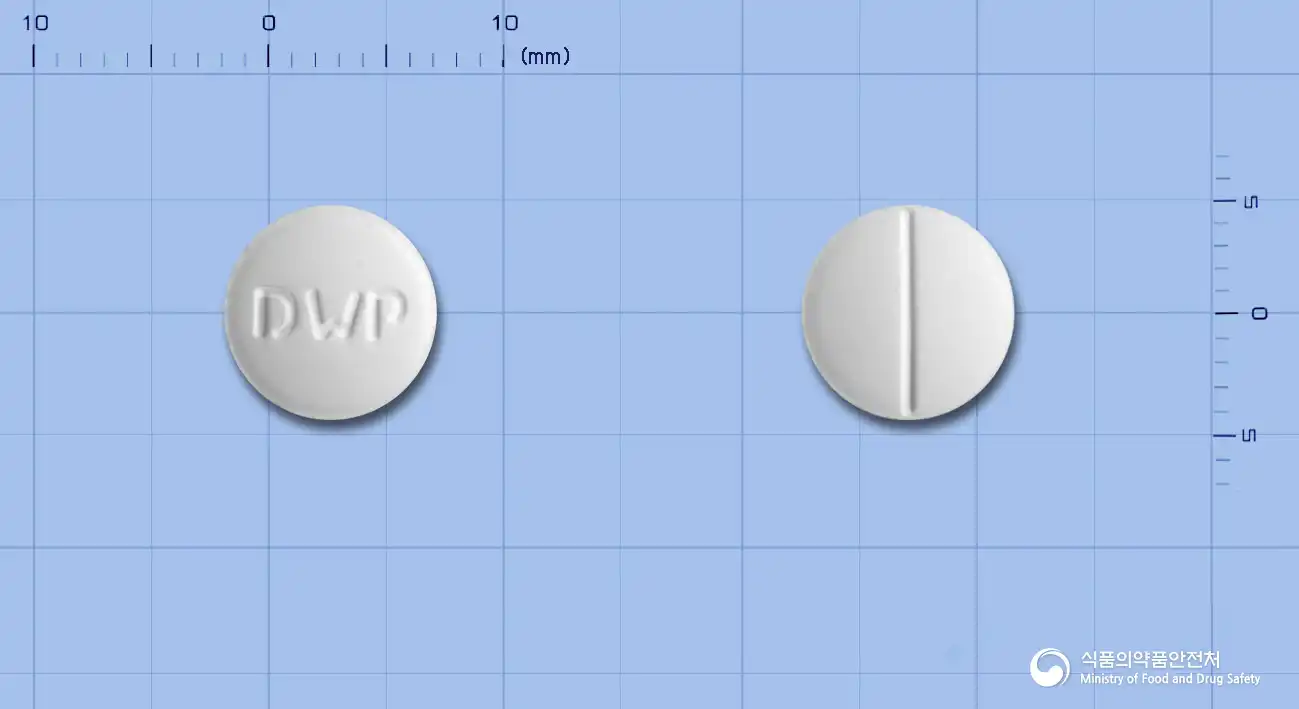
White, round tablet
30 tablets/bottle, 500 tablets/bottle
Even with the same ingredient, strength, dosage form and how it is taken can differ.
Viewing nowSpironolactone 50mg
Tablet · Prescription medication
Daewon Pharmaceutical Co., Ltd.

Spironolactone 25mg
Tablet · Prescription medication
Koo Joo Pharmaceutical Co., Ltd.
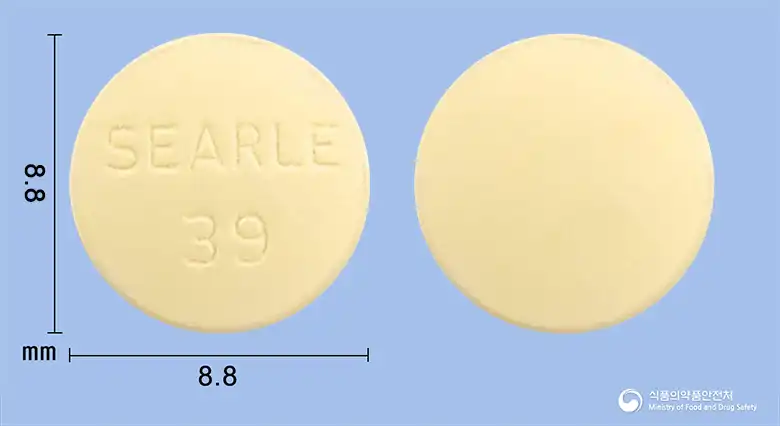
Spironolactone 25mg
Tablet · Prescription medication
Pfizer Korea Co., Ltd.
Even with the same ingredient, the dose and directions can differ by strength and dosage form. Talk to a doctor or pharmacist before switching from a medication you are already taking.
No questions yet.
For anything that needs medical judgment, consult a doctor or pharmacist.
This drug information is based on data provided by the Korea Ministry of Food and Drug Safety.
Consult a doctor or pharmacist for accurate dosage, administration, and usage instructions.