
 한국어
 English
 日本語
 中文(简体)
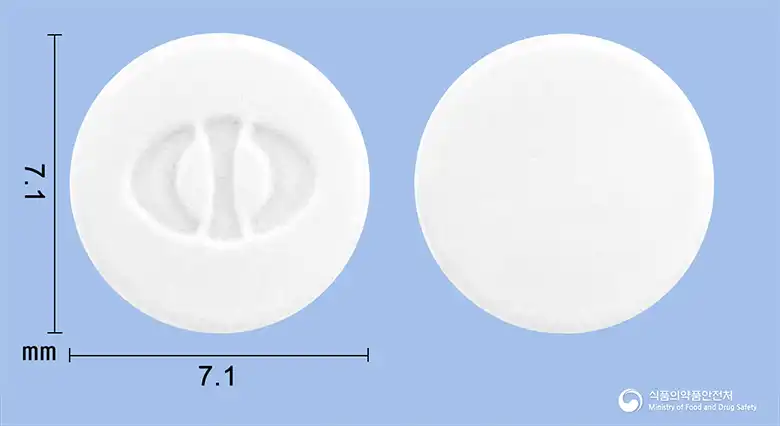 Viewing now
Montesem Tablet (Domperidone Maleate)
Domperidone Maleate 12.72mg
Tablet · Prescription medication
Medica Korea Co., Ltd.
MFDS item code 199701401 · Notified 1997.08.11 · Insurance code 646001090
Relief of nausea and vomiting
This medication is used to relieve symptoms of nausea and vomiting.
In general, do not use for more than 1 week.
Adolescents (12 years and older, weighing 35 kg or more): Administer domperidone 10 mg (5 mg when levodopa is administered) orally per dose 3 times daily before meals. The maximum daily dose is 30 mg.
This medication should not be used in certain patients. For example, it can be dangerous to administer this medication to patients who have allergies to it or have bleeding, obstruction, or perforation in the stomach. Additionally, it should not be used in patients with prolactin-secreting tumors, certain heart diseases, severely impaired liver function, or women who are pregnant or may become pregnant. This medication contains lactose and is not suitable for patients with genetic problems such as lactose intolerance or galactose intolerance. Caution should be exercised when administering this medication to children, especially those weighing less than 35 kg, as well as to patients with impaired kidney or liver function, elderly patients, and patients with a history of heart disease. Drowsiness or dizziness may occur during treatment with this medication, so caution should be taken when driving or operating machinery. Additionally, because this medication is metabolized in the liver, dose adjustments may be necessary for patients with liver damage, and the number of doses and dosages should be reduced for patients with kidney failure. There is a risk of cardiac-related side effects, so patients with arrhythmias or electrolyte imbalances should not use this medication, and immediate consultation with a physician is necessary if cardiac symptoms appear. There are many drug interactions, so caution is needed when administering with certain antibiotics, antifungals, antiarrhythmics, antipsychotics, etc., and some medications are contraindicated for concurrent use. It is advisable not to take this medication during pregnancy or breastfeeding, and if breastfeeding, consultation with a physician is required as side effects may occur in the infant. In case of overdose, neurological symptoms or cardiac problems may arise, necessitating immediate visit to a medical institution for appropriate treatment. This medication should be stored out of reach of children and kept in its original container, ensuring it is not mixed with other medications.
Not everyone experiences these, and they can vary from person to person.
This medication may be sensitive to air and moisture, so it must be stored in a tightly sealed container. It is recommended to maintain a storage temperature between 1°C and 30°C. Proper storage will help preserve the effectiveness of the medication for a longer period.
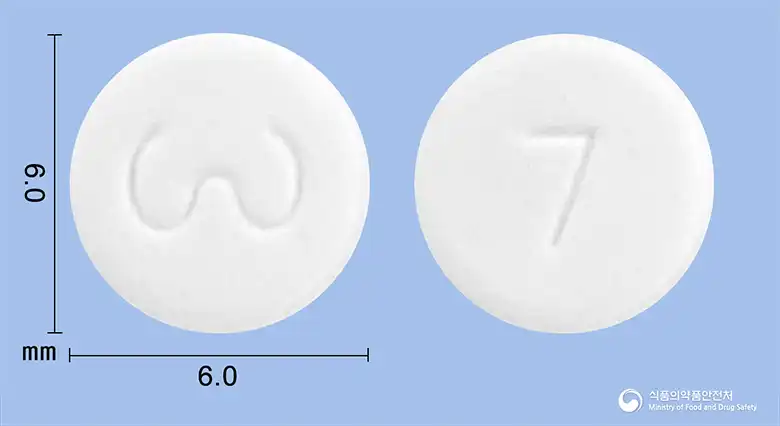
White round tablet
Domestic - 300 tablets/bottle, Export - 100 tablets/box [10 tablets/PTP×10]
Even with the same ingredient, strength, dosage form and how it is taken can differ.
Viewing nowDomperidone Maleate 12.72mg
Tablet · Prescription medication
Medica Korea Co., Ltd.
Domperidone Maleate 12.72mg
Tablet · Prescription medication
Daewon Pharmaceutical Co., Ltd.
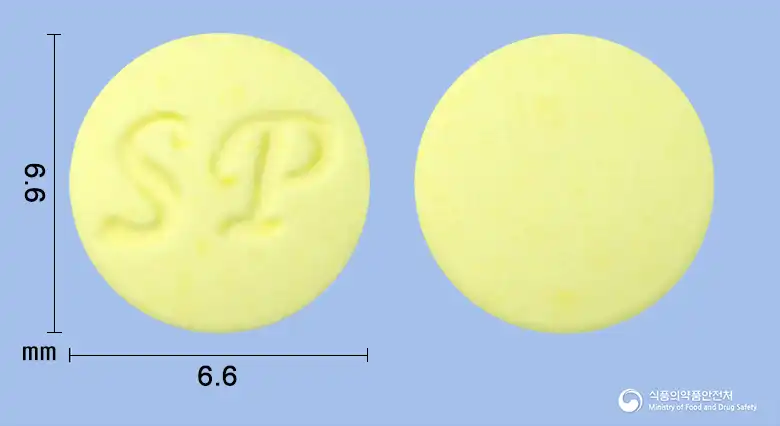
Domperidone Maleate 12.72mg
Tablet · Prescription medication
Shinpoong Pharmaceutical Co., Ltd.
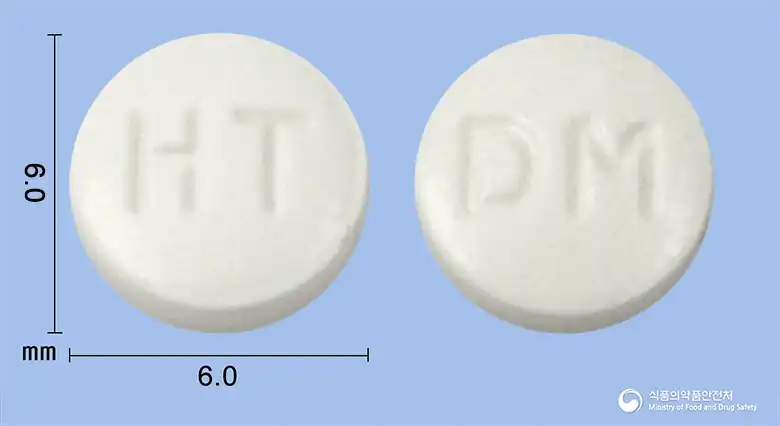
Domperidone Maleate 12.72mg
Tablet · Prescription medication
Hankook Hyutex Pharmaceutical Co., Ltd.
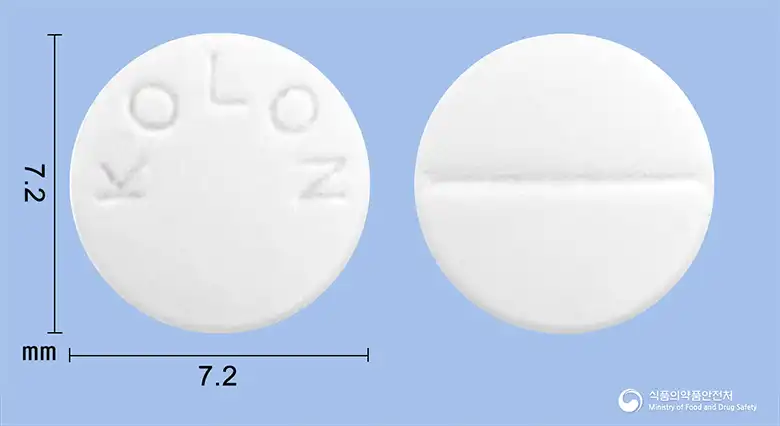
Domperidone Maleate 12.72mg
Tablet · Prescription medication
Kolon Pharmaceutical Co., Ltd.
Domperidone Maleate 12.72mg
Tablet · Prescription medication
Shinil Pharmaceutical Co., Ltd.
Domperidone Maleate 12.72mg
Tablet · Prescription medication
Withus Pharmaceutical Co., Ltd.
Domperidone Maleate 12.72mg
Tablet · Prescription medication
Samchundang Pharm Co., Ltd.
Even with the same ingredient, the dose and directions can differ by strength and dosage form. Talk to a doctor or pharmacist before switching from a medication you are already taking.
No questions yet.
For anything that needs medical judgment, consult a doctor or pharmacist.
This drug information is based on data provided by the Korea Ministry of Food and Drug Safety.
Consult a doctor or pharmacist for accurate dosage, administration, and usage instructions.