
 한국어
 English
 日本語
 中文(简体)
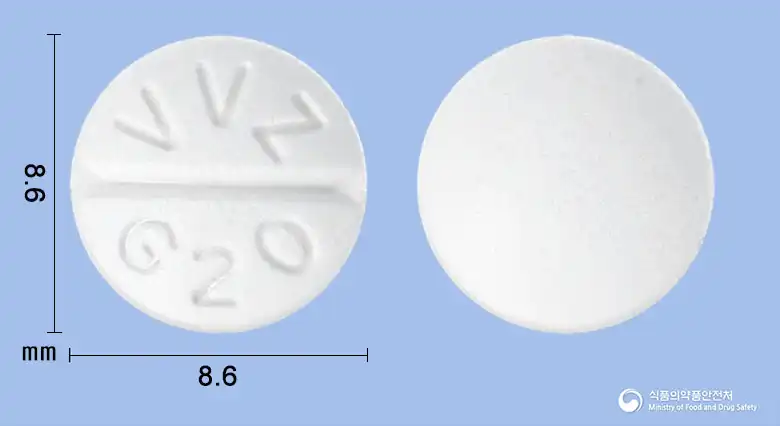 Viewing now
Gastrotek Tablets (Misoprostol)
Misoprostol 1% 20mg
Tablet · Prescription medication
Bivorzon Pharmaceutical Co., Ltd.
MFDS item code 199701271 · Notified 1997.01.03 · Insurance code 658200020
Treatment of gastric and duodenal ulcers; prevention and treatment of NSAID-induced gastritis and duodenal ulcers
This medication is used for the treatment of gastric and duodenal ulcers and helps prevent and treat inflammation and ulcers in the stomach and duodenum that may arise from taking non-steroidal anti-inflammatory drugs (NSAIDs). Therefore, it can be effectively used when stomach protection is needed.
1. Treatment of gastric and duodenal ulcers and gastroduodenitis and gastroduodenal ulcers caused by administration of nonsteroidal anti-inflammatory drugs: Administer 1 tablet (200㎍ of misoprostol per dose) orally 4 times daily for 4-8 weeks with meals and at bedtime. 2. Prevention of gastroduodenitis and gastroduodenal ulcers caused by administration of nonsteroidal anti-inflammatory drugs: Administer 2~4 tablets daily (400-800㎍ of misoprostol) orally in divided doses with meals and at bedtime. Administer this medicine during treatment with nonsteroidal anti-inflammatory drugs as directed by a physician. To minimize diarrhea, which may occur as an adverse reaction, take this medicine with food and avoid concomitant use with magnesium-containing antacids. The dose may be adjusted appropriately according to age and symptoms.
This medication should not be used by pregnant women. It can cause abortion, so confirm whether you are pregnant before using it. Women of childbearing potential should take a pregnancy test before using this medication and use effective contraceptive methods. If pregnancy is confirmed, discontinue the medication immediately. This medication can cause certain allergic reactions, so patients with hypersensitivity to misoprostol or prostaglandins should not use it. Patients with cardiovascular disease or liver dysfunction should use this medication with caution and consult healthcare providers if any abnormal symptoms occur. During the course of this medication, gastrointestinal symptoms such as diarrhea, abdominal pain, nausea, and vomiting may occur, and severe cases may lead to dehydration, necessitating caution. This medication can cause various side effects, including effects on the blood and immune system, skin, and the central nervous system, so any abnormal symptoms should be promptly reported to healthcare providers. This medication carries a risk of congenital malformations when used by pregnant women, so women who are pregnant or may become pregnant should avoid its use, and lactating women are also advised not to use it. Safety in pediatric patients has not been established, so it is advisable not to use it in children. Elderly patients may experience more severe side effects due to decreased body function, so caution is needed when taking this medication. Taking this medication in excess can lead to serious side effects, so it is essential to adhere to the prescribed dosage and frequency, and seek medical attention immediately in case of overdose. Lastly, this medication should not be shared with others, and it should be stored in a safe place out of reach of children.
Not everyone experiences these, and they can vary from person to person.
This medication may be sensitive to air or moisture and should be stored in a tightly sealed container. Additionally, it is recommended to store at room temperature that is neither too hot nor too cold.
White round tablets
30 tablets/bottle, 500 tablets/bottle
Even with the same ingredient, strength, dosage form and how it is taken can differ.
Viewing nowMisoprostol 1% 20mg
Tablet · Prescription medication
Bivorzon Pharmaceutical Co., Ltd.
Misoprostol 1% 20mg
Tablet · Prescription medication
Shinpoong Pharmaceutical Co., Ltd.
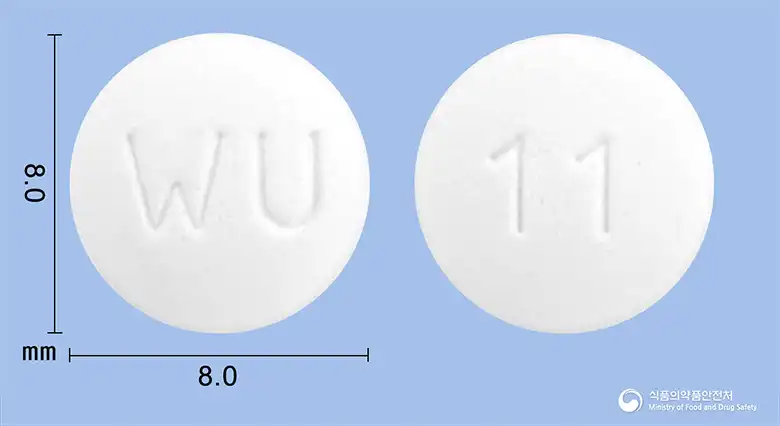
Misoprostol 1% 20mg
Tablet · Prescription medication
Withus Pharmaceutical Co., Ltd.
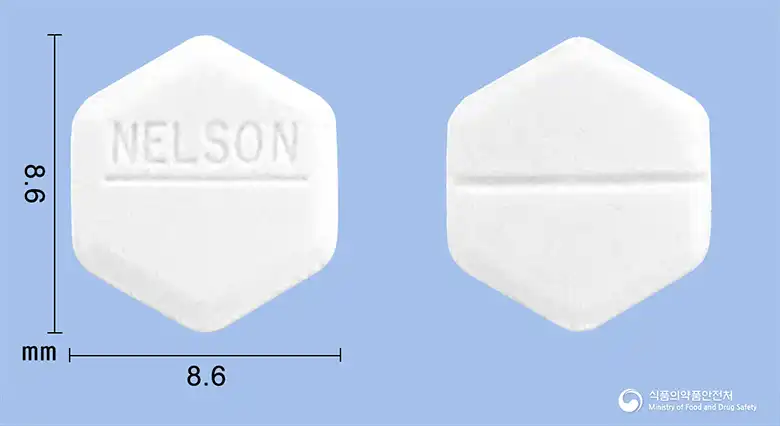
Misoprostol 1% 20mg
Tablet · Prescription medication
Korea Nelson Pharmaceutical Co., Ltd.
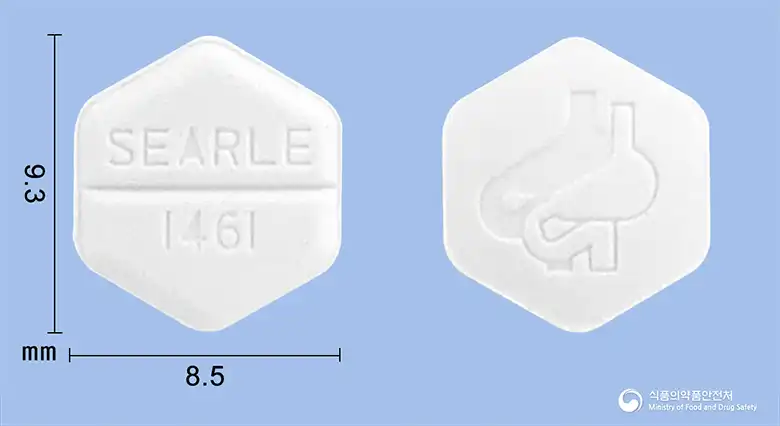
Misoprostol 1% 200mg
Tablet · Prescription medication
Pfizer Korea Co., Ltd.
Misoprostol 1% 10mg
Tablet · Prescription medication
Vivozon Pharmaceutical Co., Ltd.
Even with the same ingredient, the dose and directions can differ by strength and dosage form. Talk to a doctor or pharmacist before switching from a medication you are already taking.
No questions yet.
For anything that needs medical judgment, consult a doctor or pharmacist.
This drug information is based on data provided by the Korea Ministry of Food and Drug Safety.
Consult a doctor or pharmacist for accurate dosage, administration, and usage instructions.