
 한국어
한국어 English
 日本語
日本語 中文(简体)
Dosage form image
Viewing nowAprogen Atenolol Tablet 50 mg (Atenolol)
Atenolol
Prescription medication
Aprogen Biologics Co., Ltd.
MFDS item code 199701087 · Notified 1997.03.18
This product's status changed to Approval withdrawn on 2023.05.12. It may no longer be sold, so consult a doctor or pharmacist before taking it.
Improvement of hypertension and angina
This medication is used for hypertension and angina.
1. Hypertension: Adults should take 50mg of atenolol once daily, either alone or in combination with diuretics; if no effect is observed after 1-2 weeks, the dosage can be increased to 100mg daily, not exceeding 100mg daily. 2. Angina: Administer 100mg in divided doses, not exceeding 100mg daily. 3. Patients with renal impairment: Creatinine clearance 15-35ml/min/1.
This medication should not be used by individuals allergic to its active ingredient or excipients. Additionally, it should not be administered to patients with severe asthma, chronic obstructive pulmonary disease, diabetic ketoacidosis, and metabolic acidosis. It should also be avoided in patients with extremely slow heart rate, cardiac conduction issues, cardiogenic shock, right heart failure due to pulmonary hypertension, or congestive heart failure. Patients with severe hypotension, peripheral circulation disorders, syndrome of inappropriate antidiuretic hormone secretion, or those at risk for thyrotoxicosis due to thyroid function abnormalities should also avoid this medication. Care should be taken in those with a likelihood of bronchial asthma or bronchospasm, those at risk for congestive heart failure, patients with difficult-to-control diabetes, and individuals with severe liver or kidney function impairment; their conditions should be closely monitored. Elderly patients should start with a low dose and be carefully monitored. This medication can cause a variety of side effects, including skin rashes, itching, reduced tear secretion, visual disturbances, bradycardia, hypotension, palpitations, dizziness, gastrointestinal disturbances, and difficulty in breathing; any symptoms should prompt immediate consultation with a healthcare professional. Long-term use requires regular monitoring of heart function, blood pressure, and electrocardiograms, and sudden discontinuation should be avoided; dosage should be gradually reduced as per the doctor's instructions. Patients should be cautious when driving or operating hazardous machinery during treatment, and those scheduled for surgery should inform their healthcare providers about their use of this medication. Moreover, there may be interactions with other drugs, so patients taking any other medications must inform their doctors or pharmacists. Pregnant or nursing women should use this medication cautiously as it may affect the fetus or newborn, and breastfeeding should preferably be discontinued. Safety in pediatric use has not been established, therefore it should be administered to children with caution. In cases of overdose, severe hypotension, bradycardia, and difficulty in breathing can occur, necessitating immediate medical attention.
Hives, angioedema, chest tightness, difficulty in breathing, bronchospasm, asthma attacks, intrahepatic cholestasis, hepatotoxicity, altered consciousness, heart failure, thrombocytopenic purpura, severe edema, bradycardia (notable atrioventricular block), atrioventricular block (2nd degree, 3rd degree), sinoatrial block, elevated blood pressure, hypoglycemia, hypoclycemic episodes, bronchospasm in patients with asthma history, severe allergic reactions, serious neurological symptoms, severe skin reactions.
Not everyone experiences these, and they can vary from person to person.
This medication may be sensitive to air and moisture; therefore, it must be stored in a tightly sealed container. It should be kept at room temperature between 1°C and 30°C, away from excessively hot or cold places.
White round tablet
30, 500 tablets/bottle
Even with the same ingredient, strength, dosage form and how it is taken can differ.
Atenolol
Prescription medication
Aprogen Biologics Co., Ltd.
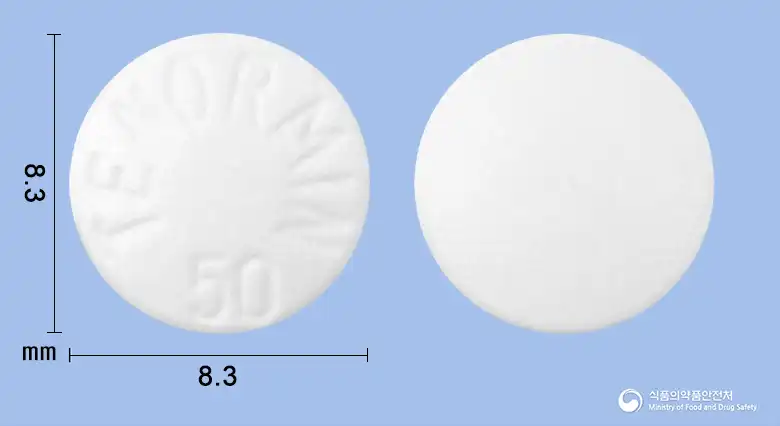
Atenolol 50mg
Tablet · Prescription medication
Hyundai Pharmaceutical Co., Ltd.
Atenolol
Prescription medication
Ildong Pharmaceutical Co., Ltd.
Atenolol 50mg
Prescription medication
Samjin Pharmaceutical Co., Ltd.
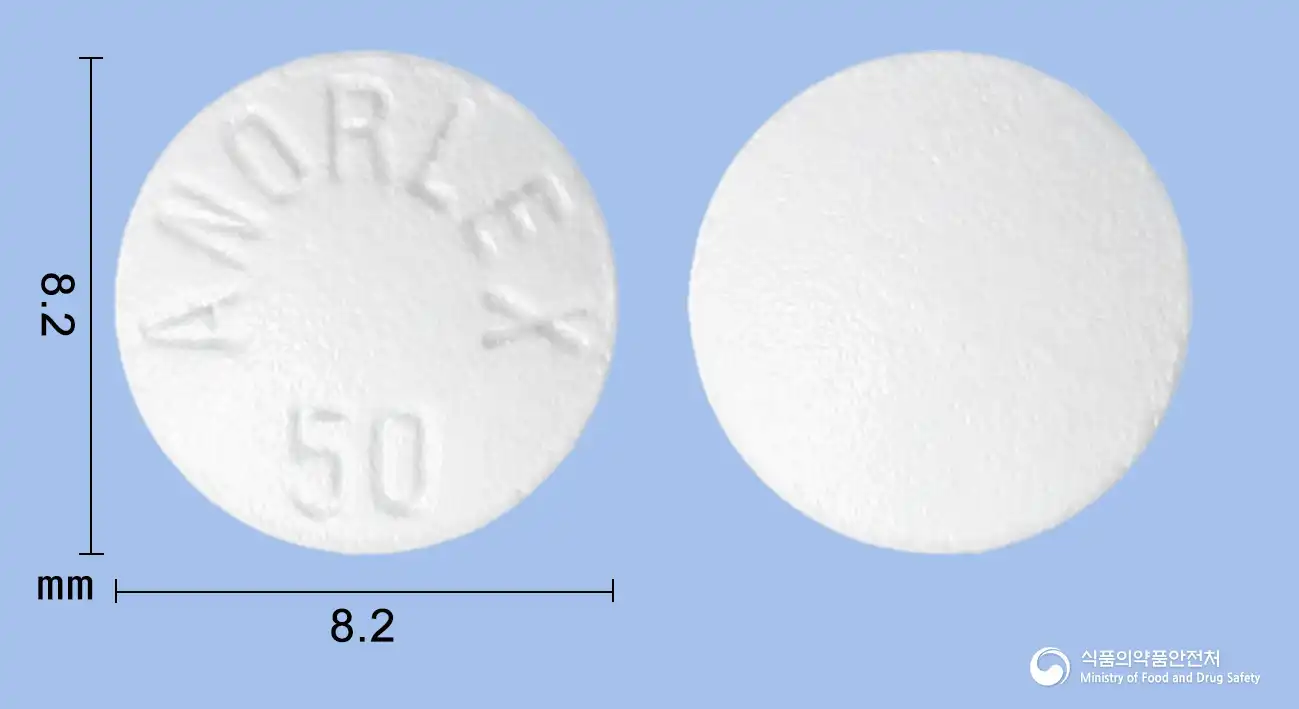
Atenolol 50mg
Tablet · Prescription medication
(CMG Pharmaceutical Co., Ltd.)
Atenolol
Prescription medication
Korea United Pharmaceutical Co., Ltd.
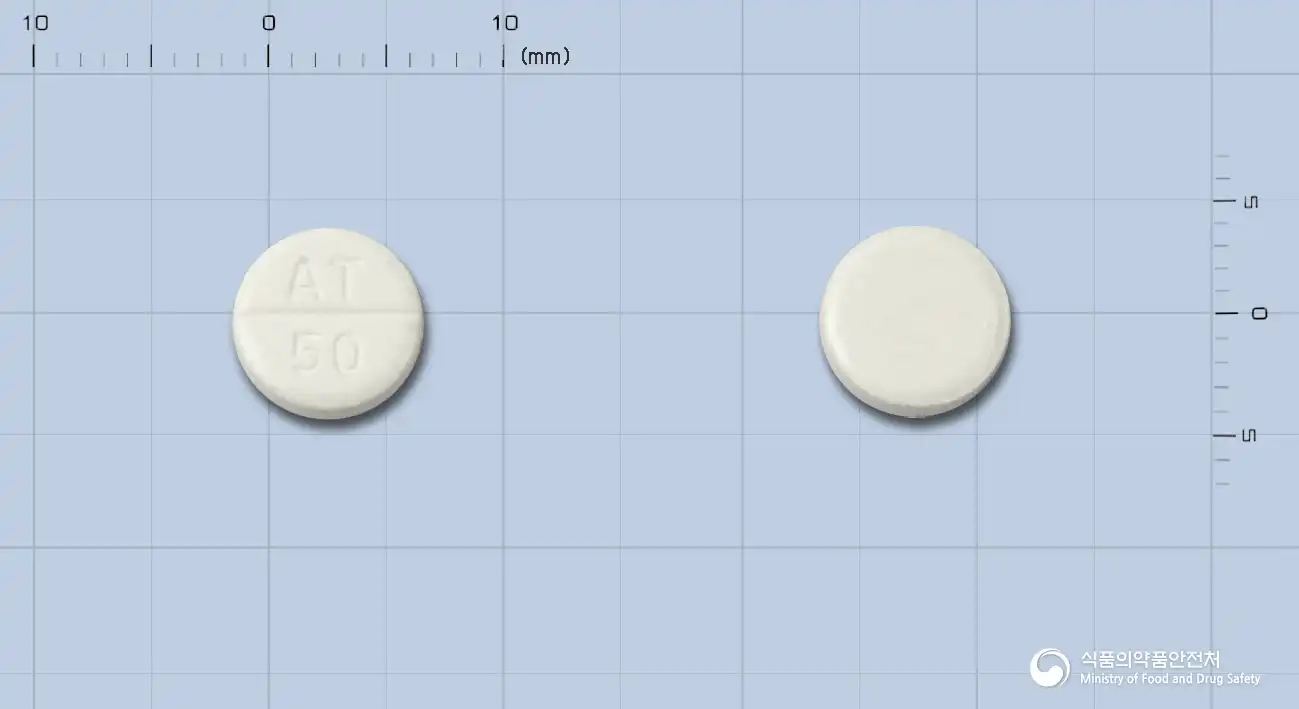
Atenolol 50mg
Tablet · Prescription medication
Daewoo Pharmaceutical Co., Ltd.
Atenolol
Prescription medication
Daewoong Pharmaceutical Co., Ltd.
Even with the same ingredient, the dose and directions can differ by strength and dosage form. Talk to a doctor or pharmacist before switching from a medication you are already taking.
No questions yet.
For anything that needs medical judgment, consult a doctor or pharmacist.
This drug information is based on data provided by the Korea Ministry of Food and Drug Safety.
Consult a doctor or pharmacist for accurate dosage, administration, and usage instructions.