
 한국어
 English
 日本語
 中文(简体)
 Viewing now
Isotril Sustained Release 60 mg (Isosorbide-5-Mononitrate)
Isosorbide-5-Mononitrate 90% 66.7mg
Tablet · Prescription medication
Kolon Pharmaceutical Co., Ltd.
MFDS item code 199700808 · Approved 1997.10.31 · Insurance code 670301150
Treatment of coronary artery disease (angina, etc.); adjunctive treatment of congestive heart failure
This medication is used for coronary heart diseases, such as angina or myocardial infarction. It is also used adjunctively with cardiac glycosides or diuretics in patients with congestive heart failure to assist heart function.
Administer 60㎎ (1 tablet) orally once daily in the morning. For angina, the dose may be increased to 120㎎ (2 tablets) in the morning as needed. To minimize headache during initiation, use an initial dose of 30㎎ for 2~4 days and adjust the dose. This drug may be divided, but must not be chewed or crushed; swallow it whole with a beverage.
This medication should not be used in patients with acute circulatory failure or severe hypotension. Patients with low filling pressure among myocardial infarction patients or those who are allergic to nitrate preparations should also refrain from taking it. In addition, it should not be administered to patients with severe anemia, head trauma or cerebral hemorrhage, significantly reduced blood volume, or severe cerebrovascular insufficiency. Patients experiencing acute angina attacks or those taking this medication in conjunction with certain other drugs should exercise caution, as it may pose risks. Patients with genetic lactose-related issues should avoid this medication. Patients with closed-angle glaucoma risk factors, hypothyroidism, hypothermia, malnutrition, or severe liver or kidney disease should use this medication carefully. Caution is needed for patients with orthostatic dysregulation, cerebrovascular diseases, increased intracranial pressure, or heart valve issues. Due to its vasodilatory effects, this medication may cause side effects such as headache, dizziness, blood pressure drop, and increased heart rate. Skin rashes, itching, or gastrointestinal symptoms have been reported infrequently, and abnormalities in liver function may occur, requiring regular monitoring. Alcohol consumption during treatment may exacerbate side effects, so it is advisable to avoid alcohol. This medication is not suitable for the treatment aimed at relieving angina attacks, and alternative treatments may need to be adopted depending on changes in symptoms. Suddenly discontinuing this medication may worsen symptoms, so patients should not halt intake without a doctor’s instruction. Taking this medication with certain other specific medications may amplify abnormalities in heart rhythm or blood pressure drop, necessitating caution in concurrent use. Particularly, co-administration with medications like sildenafil can lead to severe side effects, so it should definitely be avoided. Women who are pregnant or may become pregnant should carefully consider the benefits and risks of using this medication, and if breastfeeding, it is recommended to avoid administration or halt breastfeeding. The safety of this medication in children has not been established, hence it should be used in children cautiously. In case of overdose, symptoms such as headache, excitement, flushing, vomiting, fainting, tachycardia, and hypotension may present, and severe cases may require professional treatment. This medication should be kept out of the reach of children and stored in its original container to prevent quality deterioration. Finally, since dizziness may occur with this medication, it is important to exercise particular caution when driving or operating machinery.
Not everyone experiences these, and they can vary from person to person.
This medication may be sensitive to air or moisture, so it should be stored in a tightly sealed container. Furthermore, it is best kept at room temperature, not in excessively hot or cold conditions.
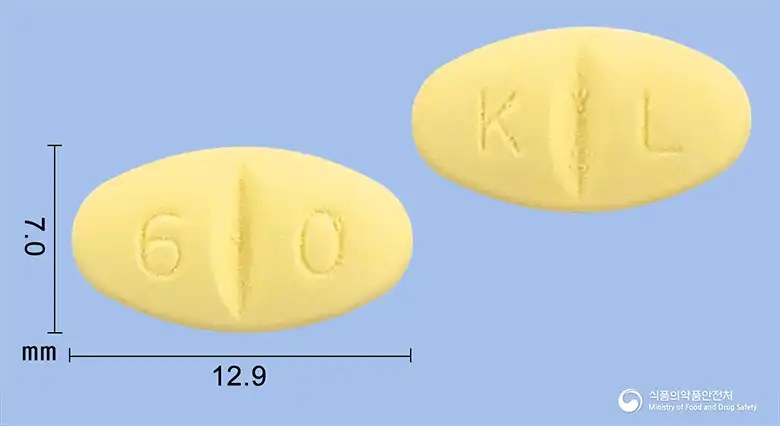
Yellow oval-shaped film-coated tablet
30 tablets/bottle, 500 tablets/bottle
Even with the same ingredient, strength, dosage form and how it is taken can differ.
Viewing nowIsosorbide-5-Mononitrate 90% 66.7mg
Tablet · Prescription medication
Kolon Pharmaceutical Co., Ltd.
Isosorbide-5-Mononitrate 90%
Prescription medication
EriSon Pharmaceutical Co., Ltd.
Even with the same ingredient, the dose and directions can differ by strength and dosage form. Talk to a doctor or pharmacist before switching from a medication you are already taking.
No questions yet.
For anything that needs medical judgment, consult a doctor or pharmacist.
This drug information is based on data provided by the Korea Ministry of Food and Drug Safety.
Consult a doctor or pharmacist for accurate dosage, administration, and usage instructions.