
 한국어
 English
 日本語
 中文(简体)
 Viewing now
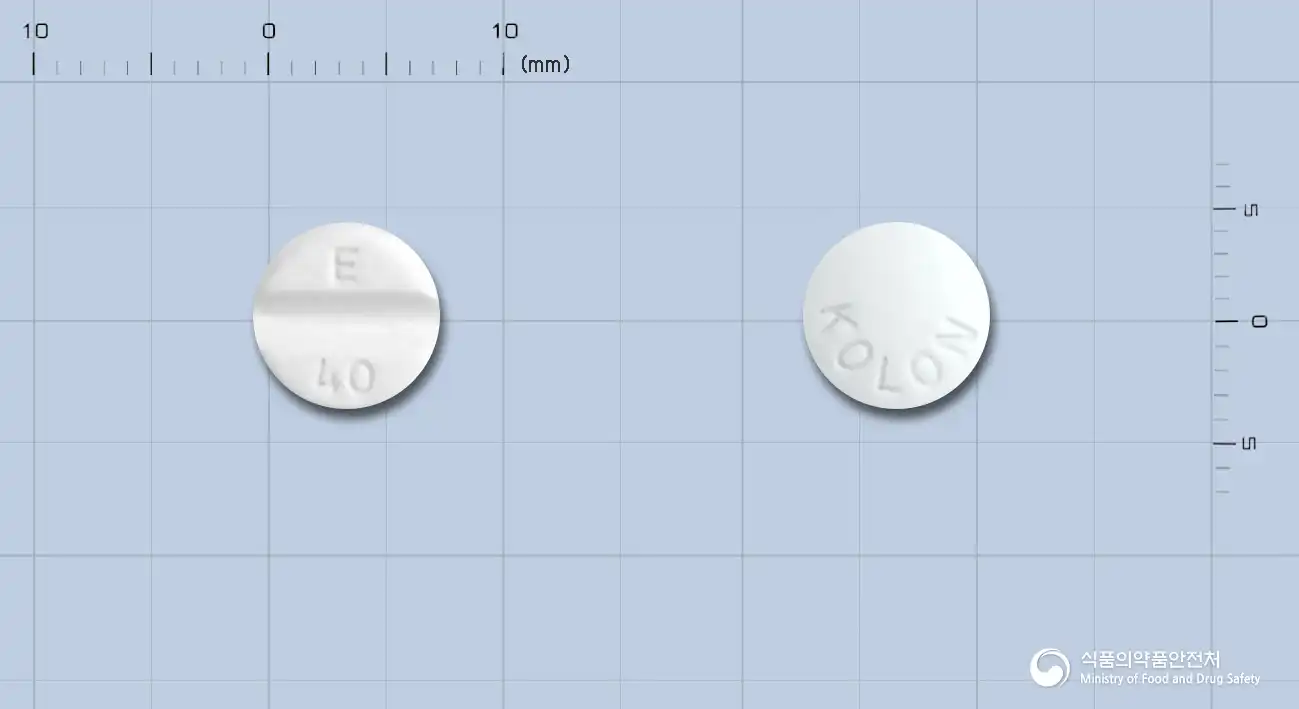
Angivide Sustained Release Tablet 40mg (Isosorbide Dinitrate)
Dilute Isosorbide Dinitrate 100mg
Tablet · Prescription medication
Kolon Pharmaceutical Co., Ltd.
MFDS item code 199700798 · Approved 1997.10.13 · Insurance code 670300920
Treatment of ischemic heart disease (angina, myocardial infarction, etc.); adjunctive treatment of congestive heart failure
This medication is used for angina pectoris, myocardial infarction, and chronic and asymptomatic ischemic heart disease. It is also employed as an adjunct therapy for patients with congestive heart failure in combination with cardiotonic agents or diuretics. This medication effectively improves blood supply to the heart and supports cardiac function.
Adults: Administer orally as isosorbide dinitrate at a dose of 40mg once daily or 20mg per dose twice daily. If necessary, the dose may be increased to 40mg per dose twice daily. Adjust the dose appropriately according to age and symptoms.
This medication should not be used in patients with acute circulatory failure, such as shock or sudden vascular collapse. Patients with severe hypotension, glaucoma with eye problems, and those allergic to nitrate components should also avoid this medication. Patients with abnormalities in cardiac muscle or abnormal narrowing of the heart, as well as those with acute myocardial infarction or reduced left ventricular function, should avoid this medication. Particular caution is required when used in patients with cardiogenic shock or who are taking certain erectile dysfunction medications. It should be administered with caution to patients with hypotension, pulmonary hypertension, heart valve problems, and those with blood pressure regulation disorders upon changing positions. Patients with elevated intracranial pressure or fluid accumulation around the heart should also be cautious when using this medication. This medication may cause dizziness, decreased blood pressure, flushing, and symptoms of rapid heartbeat. Gastrointestinal symptoms such as headache, nausea, and vomiting may occasionally occur, and the use should be discontinued immediately if a rash develops on the skin. Especially when using sustained-release formulations, there is a risk of blood pressure dropping too low, worsening angina pectoris, or causing cardiac arrhythmias, so caution is needed. This medication may interact with other drugs; using it alongside certain antihistamines, antihypertensives, and alcohol may pose a risk of significantly lowering blood pressure. Women who are pregnant or could become pregnant should use it cautiously under a physician's guidance, and breastfeeding mothers should avoid taking it or discontinue breastfeeding if possible. Safety for children has not been established, so it is not recommended. Elderly patients may have decreased liver function, leading to increased drug concentration, necessitating caution. Sustained-release formulations should be swallowed whole without chewing or crushing, as doing so may cause side effects like headache. Long-term use of high doses may reduce effectiveness, so dosage should not be significantly increased. Rarely, certain oxygen-carrying substances in the blood may become abnormal, and this medication is unsuitable for the emergency treatment of acute angina pectoris. Re-distribution of blood flow from areas of the lung with poor oxygen exchange can cause hypoxemia, so heart disease patients need to be cautious.
Not everyone experiences these, and they can vary from person to person.
This medication should be stored in a tightly sealed container that is not exposed to air, preferably at room temperature around 25 degrees Celsius. This will help maintain the effectiveness of the medication and prevent degradation.
White round tablet
30 tablets/bottle, 500 tablets/bottle
Even with the same ingredient, strength, dosage form and how it is taken can differ.
Viewing nowDilute Isosorbide Dinitrate 100mg
Tablet · Prescription medication
Kolon Pharmaceutical Co., Ltd.
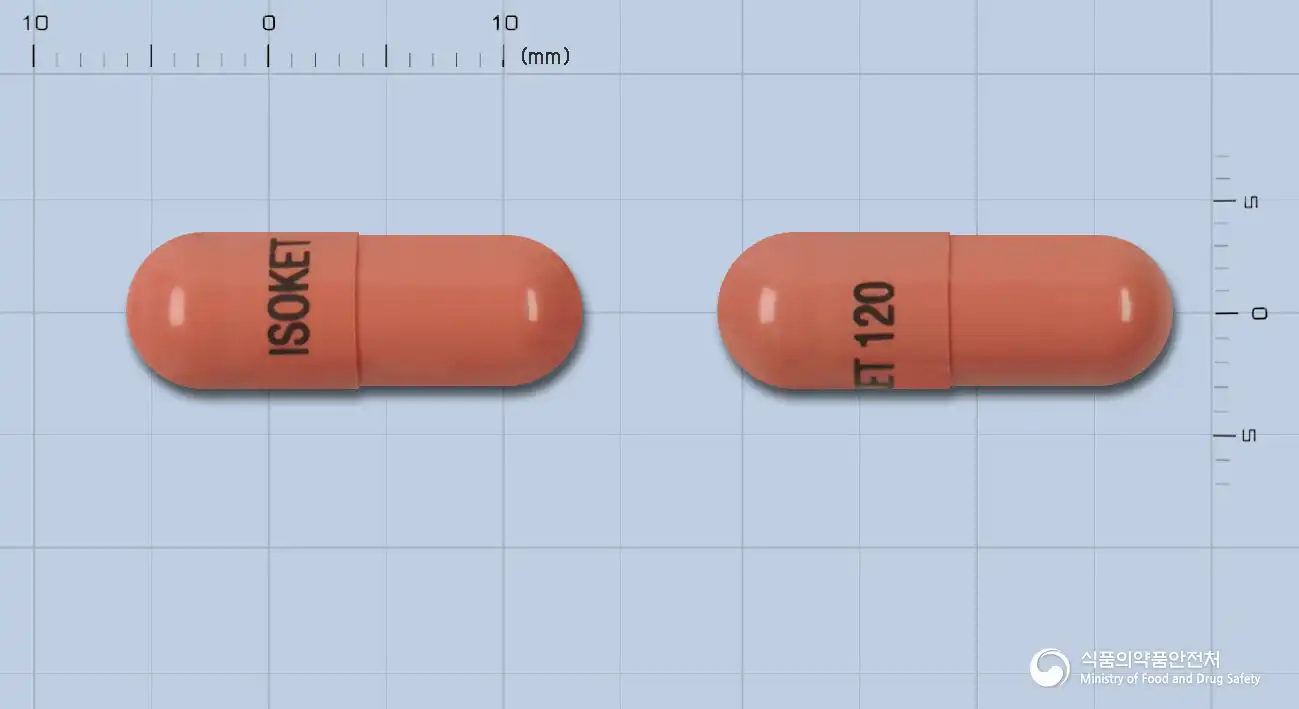
Dilute Isosorbide Dinitrate 300mg
Hard capsule · Prescription medication
Erison Pharmaceutical Co., Ltd.
Even with the same ingredient, the dose and directions can differ by strength and dosage form. Talk to a doctor or pharmacist before switching from a medication you are already taking.
No questions yet.
For anything that needs medical judgment, consult a doctor or pharmacist.
This drug information is based on data provided by the Korea Ministry of Food and Drug Safety.
Consult a doctor or pharmacist for accurate dosage, administration, and usage instructions.