
 한국어
한국어 English
 日本語
日本語 中文(简体)
Dosage form image
Viewing nowHemodex 0.15% B2 Solution
Sodium Bicarbonate 5.83g
Solution · Prescription medication
JW Pharmaceutical Corp.
MFDS item code 199700390 · Notified 1997.11.18 · Insurance code 644904531
Improvement of electrolyte imbalances such as hypercalcemia and hyperkalemia
This medication is used for patients undergoing dialysis due to chronic renal failure. It particularly aids in managing hypercalcemia, which may occur due to the intake of active vitamin D3 formulations or calcium preparations. It is suitable for patients at risk of severe alkalosis when using dialysate with high bicarbonate concentration, and for diabetic patients who have difficulty controlling blood sugar levels with low glucose dialysate or those with high blood sugar at the start of dialysis. Additionally, it is used when improvements in hyperkalemia and hypermagnesemia are insufficient with dialysate containing high concentrations of potassium or magnesium. This drug helps maintain the patient's electrolyte and acid-base balance for safe dialysis treatment.
The appropriate acidic solution for artificial kidney dialysis should be selected according to the patient's condition and the type of artificial kidney being used, and this solution should be diluted with purified water for use.
This drug should be used with caution in patients with severe liver impairment or severe diabetes where metabolism of acetate is difficult. If acetate is not properly metabolized, cardiac function may be suppressed, leading to symptoms of hypotension due to vasodilation. Patients taking digitalis preparations should also be cautious. This drug can lower serum potassium levels, which could increase the risk of digitalis toxicity. Blood sugar may rise during or after dialysis with this medication; therefore, appropriate measures such as dialysis with glucose-free dialysate should be taken if hyperglycemic symptoms occur. Increased thirst due to this drug may lead to weight gain or elevated blood pressure, and in such cases, body fluid management should be employed to control weight and blood pressure. Calcium levels may decrease during or after dialysis, leading to cramps or discomfort, necessitating appropriate measures such as using dialysate with high calcium concentration or administering calcium supplements. Bone diseases such as osteoporosis, osteomalacia, and fibrous osteitis may develop, hence active vitamin D3 preparations should be administered to maintain bone health. An elevated phosphorus level in the blood may cause ectopic calcification, so it's essential to use phosphate binders to keep phosphorus levels in the normal range. The dialysis disequilibrium syndrome can manifest as headaches, nausea, vomiting, cramps, and altered consciousness, and in such cases, actions should be taken to reduce dialysis efficiency. If circulatory problems occur, causing a sudden decrease in blood volume, symptoms of hypotension or shock may arise; thus, if these symptoms are present, it is necessary to stop dialysis, reduce efficiency, and administer fluids and blood pressure-raising agents. The safety of this drug during pregnancy has not been established, so it should only be used in pregnant women or women of childbearing potential when the benefits outweigh the risks. Safety has also not been established in pediatrics, so caution is needed. Elderly patients should use this drug with a good understanding of its features and may need regular monitoring and administration of vitamin D3 preparations, as prolonged use may lead to bone complications. Dialysis dilution water must be made from strictly purified water, and attention should be given to any damage or bleeding from the dialysis membrane. During preparation, electrolyte solutions for dialysis should not be used in isolation with sodium bicarbonate solution, and they must be accurately prepared with the specified diluent. The electrolyte concentrations, osmotic pressure, and pH of the dialysate should be confirmed before use, and it should be used immediately after mixing. It should not be used for injection or peritoneal dialysis, and it is essential to maintain the balance of the serum osmotic pressure of dialysis patients with that of the dialysate. It is safest to use this drug at a temperature appropriate for body temperature.
Not everyone experiences these, and they can vary from person to person.
This medication should be stored in a sealed container to prevent air or moisture infiltration. It is best kept at room temperature, avoiding excessively hot or cold places.
Colorless, transparent liquid filled in a white translucent plastic container.
7L/bottle, 12.6L/bottle
Even with the same ingredient, strength, dosage form and how it is taken can differ.
Sodium Bicarbonate 5.83g
Solution · Prescription medication
JW Pharmaceutical Corp.
Sodium Bicarbonate 84mg
Injections · Prescription medication
Dae Won Pharmaceutical Co., Ltd.
Sodium Bicarbonate 84mg
Injections · Prescription medication
Jeil Pharmaceutical Co., Ltd.
Sodium Bicarbonate 7g
Solution · Prescription medication
JW Pharmaceutical Corp.
Sodium Bicarbonate 1g
Prescription medication
Vantiv Korea Co., Ltd.
Sodium Bicarbonate 1g
Prescription medication
Fresenius Medical Care Korea Co., Ltd.
Sodium Bicarbonate 84mg
Injections · Prescription medication
Daehan Pharmaceutical Industry Co., Ltd.
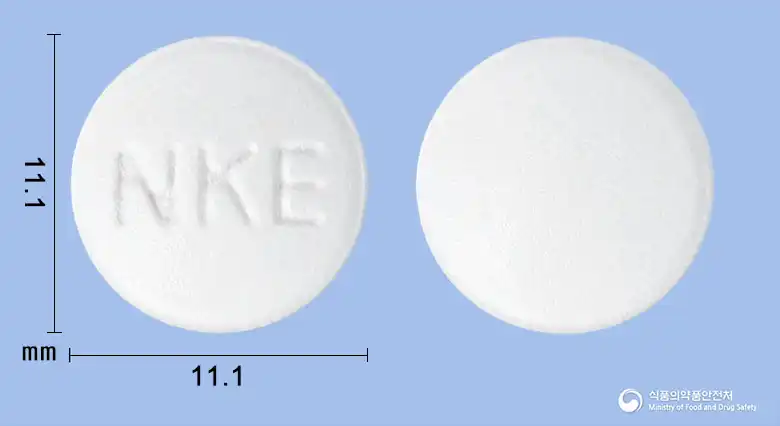
Sodium Bicarbonate 500mg
Tablet · OTC medication
NexPharm Korea Co., Ltd.
Even with the same ingredient, the dose and directions can differ by strength and dosage form. Talk to a doctor or pharmacist before switching from a medication you are already taking.
No questions yet.
For anything that needs medical judgment, consult a doctor or pharmacist.
This drug information is based on data provided by the Korea Ministry of Food and Drug Safety.
Consult a doctor or pharmacist for accurate dosage, administration, and usage instructions.