
 한국어
 English
 日本語
 中文(简体)
Summary
- Main use
- Relief of symptoms of neurosis and psychosomatic disorders (anxiety, tension, etc.)
- Who takes it
- Adults
- Adult dose
- 1. Standard dose 1) Outpatients: Administer 1.5-3㎎ of bromazepam orally 3 times daily. 2) Severely ill patients (especially inpatients): Administer 6-12㎎ of this drug 2-3 times daily. The above dosage and administration are general recommendations; the dosage and administration should be determined individually for each patient. Outpatients generally start treatment at a low dose, which is increased slowly to the optimal dose. Depending on the treatment response, attempt discontinuation after several weeks or within 3 months. Treatment for 3 months or less generally does not cause particular problems. If treatment for a longer period is unavoidable, discontinue treatment while gradually reducing the dose. 2. Special dosage and administration Elderly and debilitated patients: Since they are sensitive to the effects of this drug, administer a dose no greater than ½ the standard adult dose. Adjust the dose as needed according to age and symptoms.
Ingredients
- Manufacturer
- Myungin Pharmaceutical Co., Ltd.
Efficacy & effects
Relief of symptoms of neurosis and psychosomatic disorders (anxiety, tension, etc.)
- Anxiety
- tension
- depression
View approved original textHide original text
This medication is used to alleviate symptoms of anxiety, tension, and depression associated with neuroses and psychosomatic disorders.
How to take
Adult dose
1. Standard dose 1) Outpatients: Administer 1.5-3㎎ of bromazepam orally 3 times daily. 2) Severely ill patients (especially inpatients): Administer 6-12㎎ of this drug 2-3 times daily. The above dosage and administration are general recommendations; the dosage and administration should be determined individually for each patient. Outpatients generally start treatment at a low dose, which is increased slowly to the optimal dose. Depending on the treatment response, attempt discontinuation after several weeks or within 3 months. Treatment for 3 months or less generally does not cause particular problems. If treatment for a longer period is unavoidable, discontinue treatment while gradually reducing the dose. 2. Special dosage and administration Elderly and debilitated patients: Since they are sensitive to the effects of this drug, administer a dose no greater than ½ the standard adult dose. Adjust the dose as needed according to age and symptoms.
Precautions
This drug should not be used in patients with acute angle-closure glaucoma or myasthenia gravis. Avoid administration in patients with hypersensitivity to this drug, acute respiratory failure, severe respiratory failure, or severe liver failure. It is also contraindicated in patients with phobias or obsessive disorders, those with alcohol or drug dependence, patients with sleep apnea syndrome, and in infants and young children. Additionally, this drug contains lactose and should not be given to patients with genetic disorders such as galactose intolerance, lactase deficiency, or glucose-galactose malabsorption. Caution should be exercised when administering to patients with cardiac disorders, liver or kidney disorders, chronic respiratory failure, organic brain disorders, moderate respiratory failure, elderly patients, frail patients, or patients with depression or amnesia. Caution is also needed in patients with substance abuse of alcohol, sleep aids, analgesics, antipsychotics, antidepressants, lithium, etc. This medication may lead to dependency with long-term or high-dose use; therefore, it should be used for as short a duration as possible and should be tapered off gradually. Withdrawal symptoms such as anxiety, insomnia, headaches, and tremors may occur, so abrupt discontinuation should be avoided. Drowsiness, dizziness, visual disturbances, blood disorders, liver function abnormalities, blood pressure reduction, gastrointestinal symptoms, allergic reactions, etc., may occur, and if any abnormal symptoms arise, consultation with a physician is necessary. Avoid activities requiring alertness, such as driving or operating machinery, while taking this medication. Co-administration with alcohol or other central nervous system depressants may enhance sedation effects and increase the risk of respiratory depression, so such combinations should be avoided. It is advisable not to use this medication in women in early or late pregnancy and during breastfeeding; if necessary, consult an expert. Special care is required for children and the elderly, as side effects may occur more easily in the elderly, so starting with a lower dose is recommended. In case of overdose, coma, respiratory depression, hypotension, etc., may occur, so immediate emergency treatment is necessary, and specific antidotes may be administered if needed.
Side effects
- Dependence
- withdrawal symptoms
- rebound anxiety
- mood changes
- anxiety disorders
- sleep disturbances
- restlessness
- drowsiness
- unsteadiness
- dizziness
Show 73 moreCollapse
- agitation
- mood elevation
- gait disturbances
- insomnia
- headache
- tremor
- dysarthria
- restlessness
- ocular tremor
- blurred vision
- leukopenia
- blood dyscrasia
- ALT elevation
- AST elevation
- ALP elevation
- jaundice
- positive urobilinogen
- hypotension
- palpitations
- xerostomia
- anorexia
- nausea
- vomiting
- constipation
- dyspepsia
- hypersalivation
- rash
- pruritus
- dysuria
- urinary incontinence
- frequent urination
- fatigue
- weakness
- decreased muscle tone
- chest tightness
- cold extremities
- throat constriction
- changes in libido
- delirium
- emotional disturbances
- depression
- restlessness
- anxiety
- irritability
- aggressiveness
- delusions
- anger
- nightmares
- hallucinations
- psychosis
- inappropriate behavior
- amnesia
- diplopia
- gastrointestinal disturbances
- skin reactions
- muscle weakness
- fatigue
- falls
- increased risk of fractures
- respiratory depression
- cardiac arrest
- heart failure
- ataxia
- stuttering
- absence of reflexes
- apnea
- hypotension
- coma
- confusion
- deep sleep
- myasthenia
- reflex impairment
- forgetfulness
Not everyone experiences these, and they can vary from person to person.
Storage
This medication should be stored in a tightly closed container to prevent air or moisture ingress, maintaining a storage temperature between 1 degree and 30 degrees Celsius. This ensures the safe maintenance of the drug's effectiveness.
Appearance and packaging
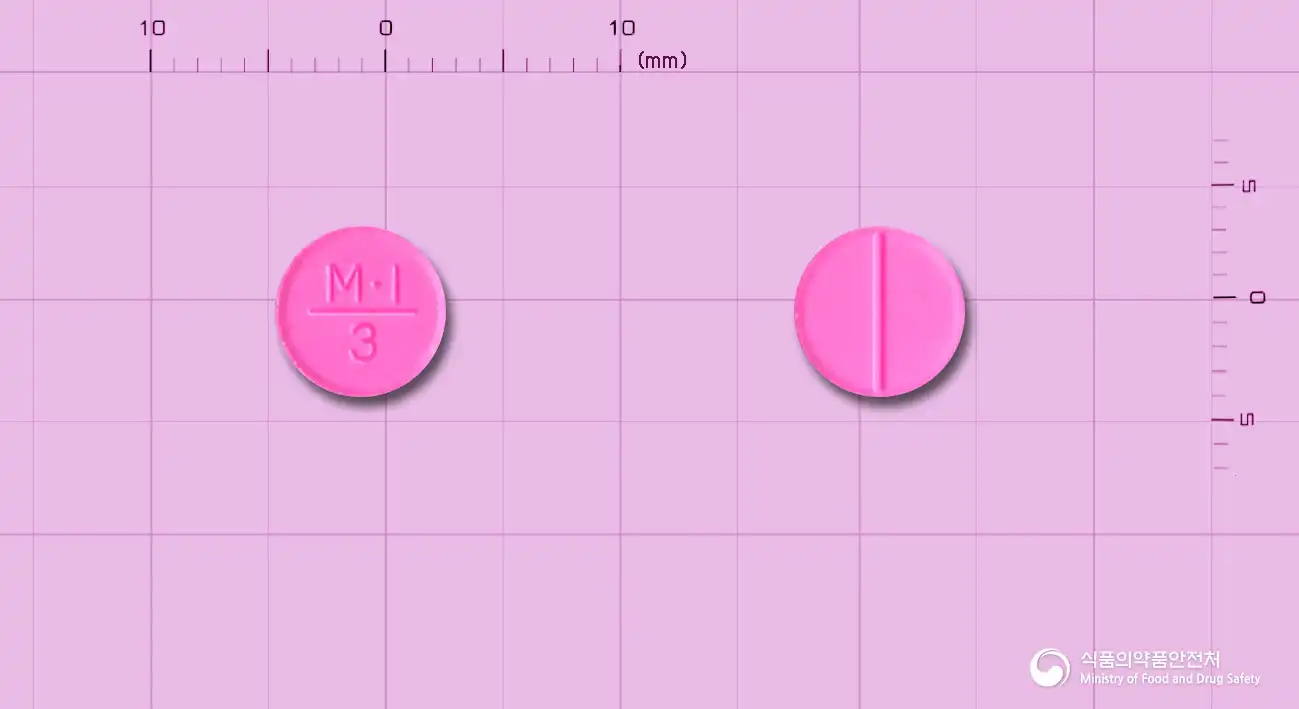
Appearance
Pale pink round tablet
Package unit
500 tablets/bottle
Questions about this medicine
No questions yet.
For anything that needs medical judgment, consult a doctor or pharmacist.