
 한국어
 English
 日本語
 中文(简体)
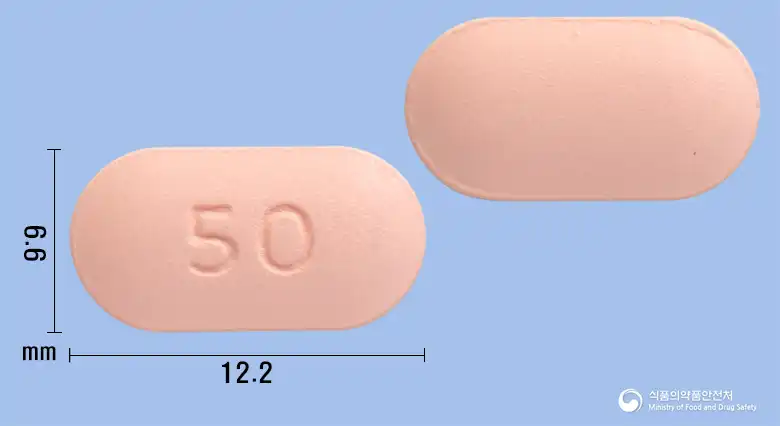 Viewing now
Imigran Tablets 50 mg (Sumatriptan Succinate)
Sumatriptan Succinate 70mg
Tablet · Prescription medication
GlaxoSmithKline Co., Ltd.
MFDS item code 199604657 · Notified 1996.09.03 · Insurance code 650000990
Rapid relief of migraine (with or without aura, including menstrual-related migraine)
This medication helps to swiftly alleviate migraines, with or without aura symptoms. It also provides quick relief from menstrual cycle-related migraines. This drug reduces the pain caused by migraines, helping you to be comfortable in your daily life. It is effective when you want to manage migraine symptoms.
It is used for rapid, intermittent treatment of migraine attacks (orally disintegrating tablets only). This medicine should not be used routinely as preventive therapy. It is most effective when taken as early as possible after the onset of a migraine attack; however, it has comparable efficacy when taken at any time during the attack. 1. Adults: The usual dose of sumatriptan is 50 mg taken orally once. However, a small number of patients may require an oral dose of 100 mg. If symptoms recur after responding to the initial dose, another dose may be taken, but at least 2 hours must elapse between doses, and the total dose must not exceed 300 mg in 24 hours. Patients who do not respond to the prescribed dose should not take another dose for the same attack. For the treatment of migraine, this medicine should preferably be used alone and not in combination with other migraine medications. If there is no response to a single dose of this medicine, there is no need to restrict the use of aspirin, nonsteroidal anti-inflammatory drugs, or acetaminophen. Swallow the tablet whole with water. 3. Older adults: There is limited experience with the use of this medicine in patients aged 65 years or older. The pharmacokinetics in these patients do not differ significantly from those in younger adults; however, until more clinical data are available, this medicine is not recommended for patients aged 65 years or older. 4. Patients with hepatic impairment: Administer a maximum single dose of 50 mg.
2. Children and adolescents: The safety and efficacy of this medicine have not been established in children and adolescents under 18 years of age.
This medication is used for the treatment of migraines. However, it should not be used in patients who have had allergic reactions to this drug or in those with serious heart disease, hypertension, or significantly impaired liver or kidney function. Additionally, it should not be used in conjunction with certain medications, as serious side effects may occur; therefore, it should not be taken with other triptans, MAO inhibitors, or selective serotonin reuptake inhibitors (SSRIs). It is also contraindicated for pregnant or nursing women and those under 18 years old. Before use, careful assessment of cardiovascular risk factors, history of seizures, and age should be conducted. After administration, if you experience chest pain or any unusual symptoms, consult your healthcare provider immediately. Also, this medication may cause drowsiness, so caution is advised when driving or operating machinery. Long-term use or overdose of this medication can result in severe side effects; therefore, it is essential to adhere to the prescribed dosage. Side effects may include chest tightness, dizziness, nausea, muscle pain, skin rash, and difficulty breathing, among others, and if severe reactions occur, seek medical attention immediately. When storing, keep out of reach of children and store in a cool place below 30 degrees Celsius. Avoid transferring to other containers, as this may affect the quality of the medication.
Pain, paresthesia, heat sensation, cold sensation, pressure sensation, a feeling of tightness or pressure in any part of the body, redness, dizziness, weakness, fatigue, drowsiness, cramps, sensory abnormalities, sensory loss, phonophobia, photophobia, confusion, depression, decreased concentration, olfactory disturbances, speech disturbances, abnormal euphoria, facial pain, heat sensitivity, ataxia, tearing, monoplegia, sleep disorders, fainting, tremors, aggressiveness, apathy, cluster headache, decreased appetite, drug overdose, abnormal reaction to stress, facial paralysis, hallucinations, hunger, hypersensitivity, hysteria, increased arousal, memory impairment, neuralgia, paralysis, personality changes, phobias, neuropathy, convulsion, suicidal thoughts, focal contractions, anxiety, generalized anxiety disorder, attachment loss, movement disorders, neurotic disorders, taste disorders, increased intracranial pressure, nausea, vomiting, diarrhea, gastrointestinal disorders, constipation, dysphagia, gastroesophageal reflux, gastrointestinal bleeding, hematemesis, melena, peptic ulcer, abdominal pain, dyspepsia, tooth pain, gastrointestinal pressure sensation, gastritis, excessive salivation, hyposecretion of saliva, abdominal distension, abdominal pain, oral irritation, itching, salivary gland swelling, hypertension, flushing, palpitations, fainting, hypotension, arrhythmia, ECG changes, hypertension, hypotension, pallor, tachycardia, angina pectoris, atherosclerosis, bradycardia, cerebral ischemia, cerebrovascular damage, heart block, peripheral cyanosis, thrombosis, transient myocardial ischemia, vasodilation, anemia, dyspnea, asthma, viral infection, hiccups, respiratory disorders, cough, bronchitis, interference with liver function tests, sinusitis, tinnitus, allergic rhinitis, upper respiratory tract infection, bleeding from ear, nose, or throat, external otitis, hearing loss, nasal inflammation, sound sensitivity, hearing impairment, ear pain, tonsil disease, feeling of fullness in the ears, thirst, increased thyroid-stimulating hormone levels, excessive milk secretion, hyperglycemia, hypoglycemia, hypothyroidism, polyuria, weight gain, weight loss, endocrine cysts, masses, fluid disorders, scleral disorders, pupil dilation, vision loss, reduced vision, visual impairment, eye swelling, edema, eye irritation, itching, accommodation disorder, external ocular muscle disorder, ocular hemorrhage, eye pain, keratitis, conjunctivitis, myalgia, musculoskeletal pain, muscle cramps, tetany, muscular dystrophy, muscle weakness, muscle fatigue, arthralgia, rheumatism, musculoskeletal deformities, muscle rigidity, muscle spasm, musculoskeletal inflammation, sweating, erythema, itching, rash, skin pressure pain, hives, dry skin, scaly skin, skin tension, skin wrinkles, eczema, seborrheic dermatitis, skin nodules, tenderness, nipple discharge, breast swelling, breast cysts, breast masses, menstrual malignant breast neoplasms, dysmenorrhea, increased urination, intermenstrual bleeding, miscarriage, hematuria, frequent urination, cystitis, urinary dysfunction, urethritis, urinary tract infection, premenstrual syndrome, abnormal menstrual cycle, salpingitis, premenstrual syndrome, hypersensitivity reactions, fever, fluid retention, edema, hematoma, lymphadenopathy, speech disorders, voice abnormalities, contusions, flickering, flashes, diplopia, ocular tremor, scotoma, vision decline, vision loss, optic neuropathy, retinal artery occlusion, retinal vein thrombosis, palpitations, deep vein thrombosis, ischemic ECG changes, coronary artery spasm, myocardial infarction, atrial fibrillation, cardiomyopathy, pulmonary embolism, shock, thrombophlebitis, hemolytic anemia, pancytopenia, thrombocytopenia, Raynaud's phenomenon, peripheral vascular ischemia, interstitial seizures, central nervous system vasculitis, cerebrovascular accident, dysphagia, serotonin syndrome, subarachnoid hemorrhage, muscle disorders, extrapyramidal disorders, hearing loss, exacerbation of sunburn, phototoxic reactions, skin allergies, shock, anaphylaxis, acute renal failure, ischemic colitis accompanied by rectal bleeding, xerostomia, elevated liver function tests, angioedema, cyanosis, death, temporal arteritis, panic disorder, bronchial spasms, neck stiffness
Not everyone experiences these, and they can vary from person to person.
This medication may be sensitive to air and moisture, so it should be stored in a tightly closed container. Additionally, it is important to keep the medication at a cool temperature below 30 degrees Celsius to maintain its effectiveness.
Pink, biconvex, rectangular film-coated tablets
6 tablets/PTP
Even with the same ingredient, strength, dosage form and how it is taken can differ.
Viewing nowSumatriptan Succinate 70mg
Tablet · Prescription medication
GlaxoSmithKline Co., Ltd.
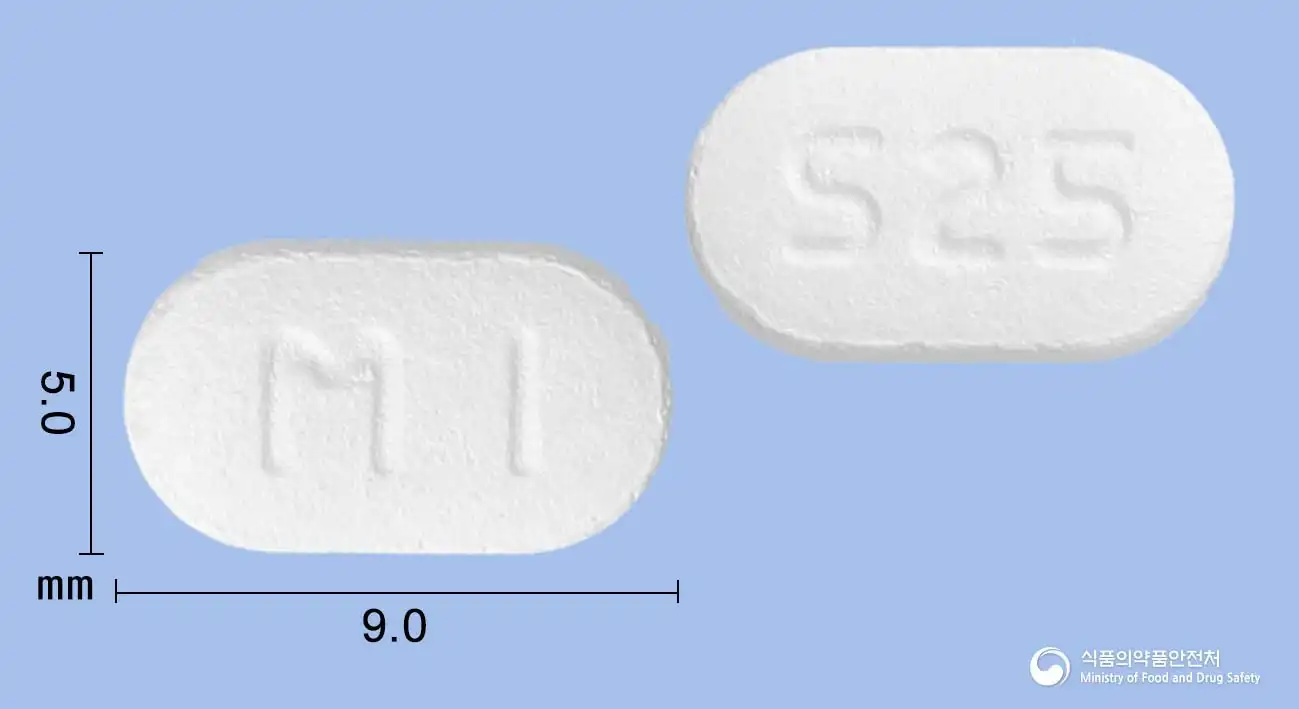
Sumatriptan Succinate 35mg
Tablet · Prescription medication
Myungin Pharmaceutical Co., Ltd.
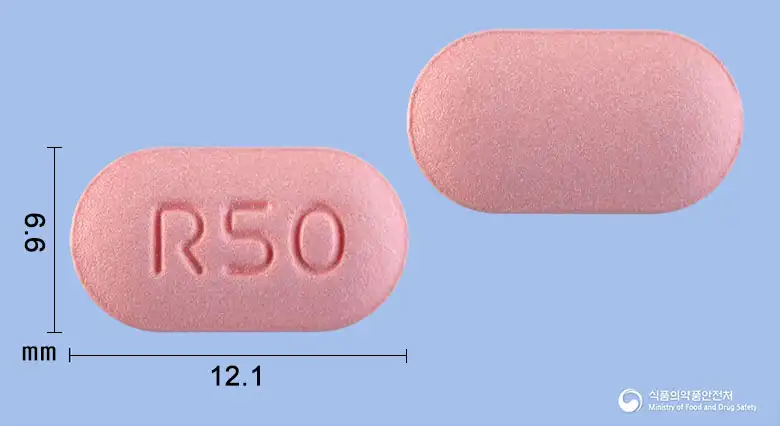
Sumatriptan Succinate 70mg
Tablet · Prescription medication
Iyun Pharmaceutical Co., Ltd.

Sumatriptan Succinate 70mg
Tablet · Prescription medication
Myungjin Pharmaceutical Co., Ltd.

Sumatriptan Succinate 70mg
Tablet · Prescription medication
Yuyu Pharmaceutical Co., Ltd.

Sumatriptan Succinate 70mg
Tablet · Prescription medication
Hanwha Pharmaceutical Co., Ltd.
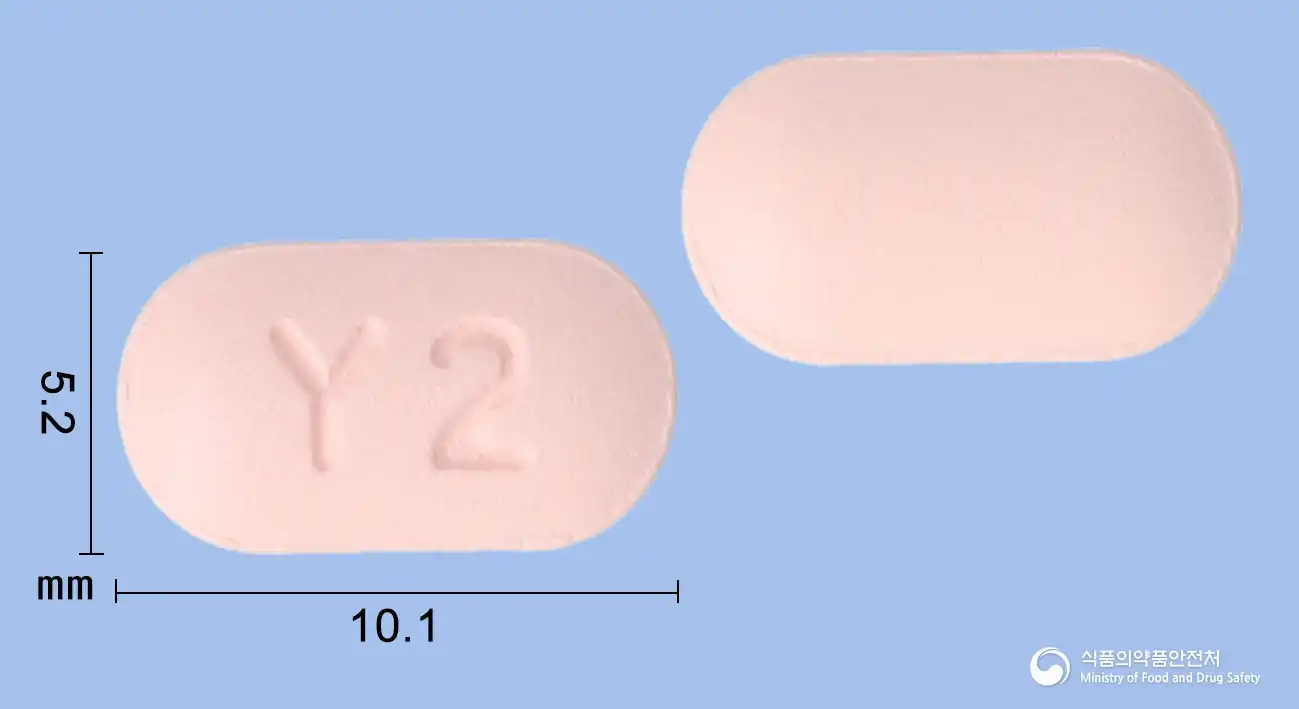
Sumatriptan Succinate 35mg
Tablet · Prescription medication
Yuyu Pharmaceutical Co., Ltd.
Even with the same ingredient, the dose and directions can differ by strength and dosage form. Talk to a doctor or pharmacist before switching from a medication you are already taking.
No questions yet.
For anything that needs medical judgment, consult a doctor or pharmacist.
This drug information is based on data provided by the Korea Ministry of Food and Drug Safety.
Consult a doctor or pharmacist for accurate dosage, administration, and usage instructions.