
 한국어
 English
 日本語
 中文(简体)
Summary
- Main use
- Treatment of hypertension and coronary artery disease (chronic stable angina)
- Who takes it
- Adults · Children
- Adult dose
- Initially, administer 30mg or 60mg once daily, usually for 7-14 days, adjusting the dose according to the patient's condition. Hypertension: A starting dose of 20mg or 30mg is recommended. Since the blood concentration of the drug reaches steady state from the second day, the titration period may be shortened by frequently assessing the patient's condition. Do not exceed 120mg. The dose must be adjusted according to the patient's symptoms. This medicine, which uses an osmotic drug-release mechanism (OROS formulation), may be taken without regard to meals (there is no difference in absorption when this medicine is taken on an empty stomach or after a meal). When administering to older adults, start with a low dose and administer cautiously according to the patient's response; the maintenance dose may be lower than that for younger patients. When administering to patients with hepatic impairment, monitor carefully; dose reduction may be necessary. No dosage adjustment is necessary when administering to patients with renal impairment; however, use caution in severe cases.
- Child dose
- The safety and efficacy of this medicine in children under 18 years of age have not been established; therefore, its use is not recommended.
Ingredients
- Importer
- Bayer korea
Efficacy & effects
Treatment of hypertension and coronary artery disease (chronic stable angina)
- Coronary artery disease
- chronic stable angina
- hypertension
View approved original textHide original text
This medication is used for chronic stable angina and hypertension.
How to take
Adult dose
Initially, administer 30mg or 60mg once daily, usually for 7-14 days, adjusting the dose according to the patient's condition. Hypertension: A starting dose of 20mg or 30mg is recommended. Since the blood concentration of the drug reaches steady state from the second day, the titration period may be shortened by frequently assessing the patient's condition. Do not exceed 120mg. The dose must be adjusted according to the patient's symptoms. This medicine, which uses an osmotic drug-release mechanism (OROS formulation), may be taken without regard to meals (there is no difference in absorption when this medicine is taken on an empty stomach or after a meal). When administering to older adults, start with a low dose and administer cautiously according to the patient's response; the maintenance dose may be lower than that for younger patients. When administering to patients with hepatic impairment, monitor carefully; dose reduction may be necessary. No dosage adjustment is necessary when administering to patients with renal impairment; however, use caution in severe cases.
Child dose
The safety and efficacy of this medicine in children under 18 years of age have not been established; therefore, its use is not recommended.
Precautions
It is crucial not to take this medication in certain patients. For instance, those who have had allergic reactions to this medication should avoid taking it. Women who are pregnant or may become pregnant, as well as nursing mothers, should not take this medication. Patients who have severe heart problems or have experienced acute myocardial infarction, those with excessively low blood pressure, and patients with specific heart valve diseases should also avoid taking it. In addition, some patients should be cautious when taking this medication. For example, patients with impaired kidney or liver function, heart failure patients, elderly individuals, and diabetic patients need careful supervision by a healthcare provider when using it. This medication may affect liver function test results, so liver health should be checked regularly. While taking this medication, various side effects such as liver function abnormalities, urination issues, blood abnormalities, heart-related symptoms, headaches, dizziness, indigestion, skin rashes, etc., may occur. If any of these symptoms arise, contact a doctor immediately and stop taking the medication if needed. This medication should not be stopped suddenly, as symptoms may worsen. It is important not to discontinue it without a doctor’s instructions. Additionally, dizziness or chest pain may occur when starting the medication or increasing the dose, so caution is necessary. Caution should also be exercised when driving or operating dangerous machinery. This medication may interact with various drugs. Particularly, when taken with certain antibiotics, antidepressants, antifungals, and antiviral medications, blood levels may change, so it is essential to inform your doctor or pharmacist about any other medications you are taking. Grapefruit juice may also significantly enhance the effects of this medication, so it is advisable to avoid it. Women who are pregnant or breastfeeding should not take this medication; if it is absolutely necessary, breastfeeding should be discontinued. Its safety and efficacy in children under 18 years of age have not been established, thus its use is not recommended. Elderly patients should start with a low dose and adjust the dosage slowly. In case of overdose, severe blood pressure drop and heart problems may occur, requiring immediate medical care and appropriate emergency treatment. This medication should be taken whole with water and not chewed or split. During storage, keep it out of reach of children and store it in the original container. It should also be protected from light and moisture.
Side effects
- Jaundice
- elevated AST
- elevated ALT
- elevated ALP
- elevated BUN
- elevated creatinine
- nocturia
- polyuria
- dysuria
- frequent urination
Show 109 moreCollapse
- erectile dysfunction
- agranulocytosis
- agranulocytosis
- thrombocytopenia
- anemia
- leukopenia
- chest pain
- ischemic pain
- myocardial infarction
- facial flushing
- heat sensation
- palpitations
- hypotension
- orthostatic hypotension
- lower limb edema
- peripheral edema
- hypotension
- vasodilation
- tachycardia
- sweating
- fever
- syncope
- angina
- cardiovascular disorders
- heaviness in the head
- headache
- dizziness
- fatigue
- neurasthenia
- sensory disturbances
- discomfort
- drowsiness
- insomnia
- weakness
- tremors
- anxiety
- equilibrium disturbances
- depression
- paranoid symptoms
- sensory loss
- sleep disturbances
- migraine
- upper abdominal pain
- nausea
- vomiting
- constipation
- dyspepsia
- diarrhea
- abdominal discomfort
- thirst
- heartburn
- reduced appetite
- belching
- gastrointestinal disorders
- elevated GGT
- intestinal obstruction
- dysphagia
- esophagitis
- intestinal blockage
- intestinal ulcers
- bloating
- allergic hepatitis
- rash
- itching
- photosensitivity
- purpura
- anaphylactic reaction
- erythema
- erythematous skin reaction
- urticaria
- angioedema
- papular rash
- pustular rash
- vesicular rash
- photosensitive dermatitis
- toxic epidermal necrolysis
- palpable purpura
- leg cramps
- inflammation
- joint stiffness
- myalgia
- muscle cramps
- limb paresthesia
- arthralgia
- joint disorders
- joint swelling
- gingival hypertrophy
- gingivitis
- gingival hyperplasia
- gum disorders
- hyperglycemia
- weight loss
- gynecomastia
- blurred vision
- arthritis
- visual disturbances
- ocular pain
- discomfort
- edema
- abdominal pain
- leg pain
- pain
- allergic reaction
- substernal chest pain
- chills
- facial edema
- dyspnea
- epistaxis
- nasal congestion
Not everyone experiences these, and they can vary from person to person.
Storage
This medication should be stored in an airtight container to prevent air from entering, preferably at room temperature between 1 to 30 degrees Celsius. Storing it this way helps maintain the medication's effectiveness safely.
Appearance and packaging
Appearance
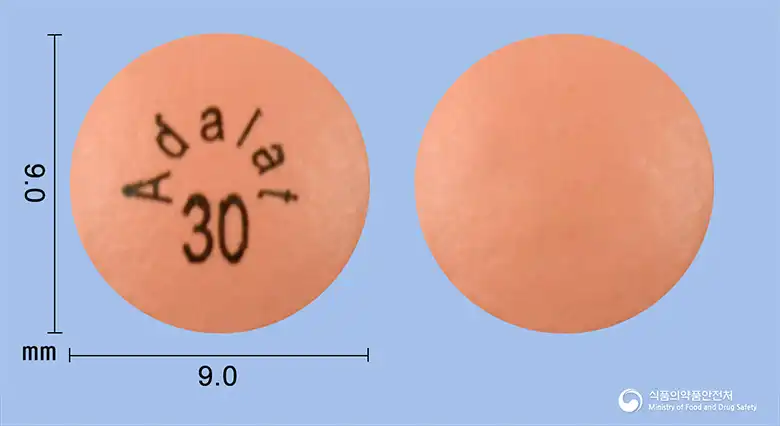
Pink, round, prolonged-release film-coated tablet
Package unit
70 tablets/box [14 tablets/PTP packaging x 5]
Questions about this medicine
No questions yet.
For anything that needs medical judgment, consult a doctor or pharmacist.