
 한국어
 English
 日本語
 中文(简体)
Summary
- Main use
- Treatment of early Parkinsonian syndrome and enhancement of the effects of concomitant levodopa
- Who takes it
- Adults
- Adult dose
- Administer 5~10 mg of selegiline hydrochloride orally per day, divided between the morning and lunchtime. When this medication is administered concomitantly with a levodopa preparation, the initial levodopa dose may be reduced. This medication does not affect the dose of other antiparkinsonian drugs. Adjust the dose as appropriate according to symptoms, but do not exceed 10 mg per day.
Ingredients
- Manufacturer
- Chodang Pharmaceutical Co., Ltd.
Efficacy & effects
Treatment of early Parkinsonian syndrome and enhancement of the effects of concomitant levodopa
- Early Parkinson's syndrome
View approved original textHide original text
This medication can be used alone to treat early Parkinson's syndrome, potentially delaying the initiation of levodopa treatment. Additionally, when administered in combination with levodopa preparations, it enhances and prolongs the effect of levodopa. This allows for a reduction in levodopa dosage, which may help lessen side effects. Therefore, it is used to effectively manage symptoms of Parkinson's disease.
How to take
Adult dose
Administer 5~10 mg of selegiline hydrochloride orally per day, divided between the morning and lunchtime. When this medication is administered concomitantly with a levodopa preparation, the initial levodopa dose may be reduced. This medication does not affect the dose of other antiparkinsonian drugs. Adjust the dose as appropriate according to symptoms, but do not exceed 10 mg per day.
Precautions
This drug is used in the treatment of Parkinson's disease and should be used with caution in patients with specific cardiac and mental health issues. While this medication may improve efficacy when used with levodopa, there is a risk of increased abnormal movements or fluctuations in motor function. High doses of this medication can be risky; therefore, strict adherence to the daily dosage is necessary, and it may increase the risk of hypertension when taken with certain foods (e.g., cheese, red wine, fermented soybean paste). Long-term use may require liver function tests, and it must not be combined with other specific antidepressants or medications. This medication should not be administered in cases not related to dopamine disorders, or to patients with allergies or those taking certain medications. Patients with severely impaired liver or kidney function, the elderly, and those with heart disease should use this medication cautiously and consult healthcare professionals if symptoms worsen. During use, various side effects such as hallucinations, dizziness, blood pressure changes, and digestive disturbances may occur; any unusual symptoms should be promptly reported to healthcare providers. Care is needed when driving or operating machinery, and special caution is required during general anesthesia. Additionally, serious side effects may occur when used with certain medications, so it is essential to discuss use with a doctor or pharmacist. Pregnant or breastfeeding women should avoid using this drug, and safety in pediatrics has not been established. In case of overdose, immediate emergency treatment is necessary, and the medication should be stored out of reach of children and not transferred to other containers.
Side effects
- Hallucinations
- delusions
- confusion
- delirium
- involuntary movements
- agitation
- psychiatric symptoms
- muscle rigidity
- speech disturbance
- gait abnormalities
Show 106 moreCollapse
- dizziness
- staggering
- headache
- heavy-headedness
- insomnia
- drowsiness
- body stiffness
- paresthesia
- dreams of many
- decreased tension
- depressive symptoms
- wandering
- restlessness
- memory impairment
- manic episode
- sleep talking
- decreased mobility
- nightmares
- syncope
- temporary sleep disturbance
- nausea
- vomiting
- loss of appetite
- thirst
- stomach pain
- abdominal pain
- constipation
- diarrhea
- paralytic ileus
- indigestion
- gastrointestinal disorder
- intestinal obstruction
- difficulty urinating
- urinary retention
- rash
- erythema multiforme
- erythema
- orthostatic hypotension
- palpitations
- hypotension
- hypertension
- arrhythmia
- ECG abnormalities
- blood pressure fluctuations
- congestive heart failure
- cardiac obstruction
- atrial circulation disorder
- bradycardia
- ventricular tachycardia
- hypersexuality
- mood changes
- blurred vision
- liver dysfunction
- tendency to leukopenia
- edema
- chest pain
- fatigue
- flushing
- excitement
- taste abnormalities
- sweating
- mood disturbance
- fatigue
- elevated serum CK
- worsening subjective symptoms
- musculoskeletal stiffness
- fever
- chills
- weight loss
- taste diminishment
- oral discomfort
- low back pain
- decreased consciousness
- muscle spasm
- neck pain
- limb pain
- weakness
- headache
- movement disorder
- abnormal movement disorder
- decreased muscle tone
- dry lips
- dizziness
- fatigue
- arterial hypertension
- anxiety
- psychotic symptoms
- sleep disturbance
- cardiac circulatory disorder
- angina
- urination disorder
- skin reactions
- shortness of breath
- convulsions
- leukopenia
- thrombocytopenia
- symptoms of hypoglycemia
- gastric ulcer
- high fever
- consciousness disorder
- severe muscle rigidity
- elevated serum CK
- daze
- muscle cramping
- severe anxiety
- increased body temperature
Not everyone experiences these, and they can vary from person to person.
Storage
This medication must be stored in a sealed container to avoid exposure to air or light. It should be kept at room temperature, not too hot or too cold.
Appearance and packaging
Appearance
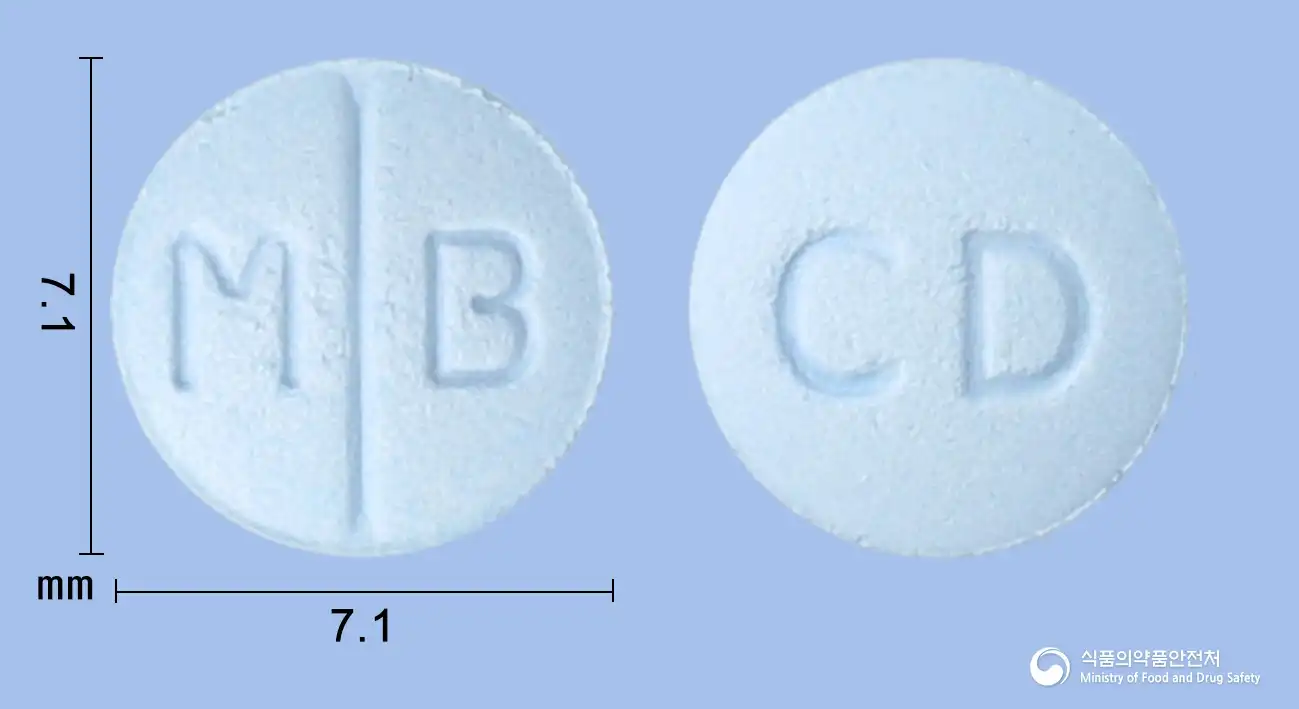
Light blue round tablet
Package unit
30, 200 tablets/bottle
Questions about this medicine
No questions yet.
For anything that needs medical judgment, consult a doctor or pharmacist.