
 한국어
한국어 English
 日本語
日本語 中文(简体)
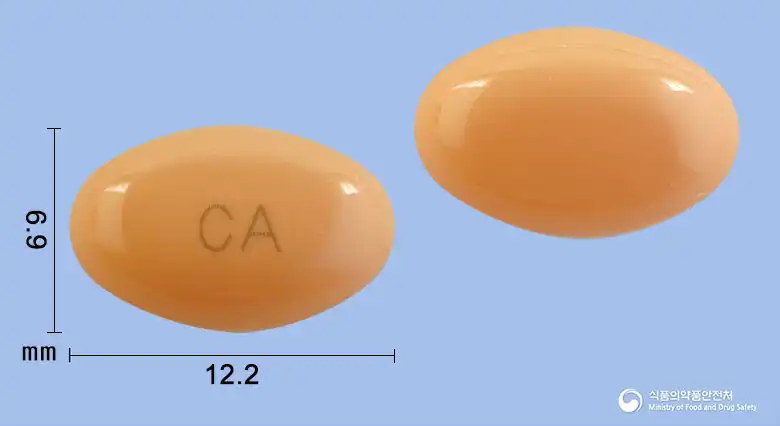 Viewing now
Calci-O Soft Capsule 0.25 Microgram (Calcitriol)
Calcitriol 0.25μg
Soft capsule · Prescription medication
Hanmi Pharmaceutical Co., Ltd.
MFDS item code 199602290 · Notified 1996.03.12 · Insurance code 643502430
Treatment of chronic renal failure (secondary hyperparathyroidism, metabolic bone disease) and hypoparathyroidism, osteoporosis
This drug is used to treat secondary hyperparathyroidism and associated metabolic bone disease in patients with chronic renal failure prior to dialysis treatment. It also helps improve renal osteodystrophy in patients undergoing hemodialysis. It is used for the treatment of hypoparathyroidism, including postoperative and idiopathic or pseudohypoparathyroidism. Additionally, it is effective for vitamin D-dependent rickets and hypophosphatemic vitamin D-resistant rickets. Lastly, it is utilized for the treatment of osteoporosis to enhance bone health. This medication is primarily used to improve kidney and bone-related disorders.
For patients prior to dialysis treatment and for children over 36 months, the dosage of calcitriol is 0.25 μg per day, which can be increased to 0.5 μg per day if necessary. The initial daily dose for the treatment of renal osteodystrophy (dialysis patients) is 0.25 μg. Patients with serum calcium levels within normal range or slightly decreased should receive 0.25 μg every other day. Increase by 0.25 μg every 2-4 weeks. Osteoporosis patients should receive
The initial recommended dose for children under 36 months is 10 to 15 ng per kg of body weight per day.
This drug should not be used in patients with diseases related to hypercalcemia. Patients with calcium stones or hypercalciuria should also avoid administration. People allergic to this drug or similar class medications should not take it. Patients with symptoms from vitamin D overdose or those with primary hyperparathyroidism should not use this drug. Women who are pregnant or may become pregnant, nursing mothers, children, patients with a history of kidney stones, and those with sarcoidosis should use it cautiously. This drug is an active metabolite of vitamin D, and if taken in excess, can cause hypercalcemia and calcium toxicity symptoms, so the recommended dosage should be strictly adhered to. During treatment, serum calcium levels should be regularly monitored to maintain normal ranges by adjusting the dosage. In case of overdose, symptoms like nausea, vomiting, constipation, headache, anxiety, palpitations, and other effects may occur; immediate consultation with healthcare professionals is necessary. Calcium intake should also be properly regulated, ensuring not to exceed recommended levels. This drug may increase the risk of hypercalcemia if taken with other vitamin D preparations or calcium supplements, so caution should be exercised during co-administration. Particularly, interactions can occur with diuretics, digitalis, corticosteroids, so you must inform your physician about all medications being taken. In cases of pregnancy or breastfeeding, if this drug is required, it must be administered cautiously under the physician's judgement, monitoring both maternal and infant serum calcium levels. In children and the elderly, body functions may vary, hence the dosage should be carefully determined and monitored regularly. In case of overdose, you should stop taking the medication immediately and seek appropriate treatment at a medical institution, and hospitalization may be necessary for severe hypercalcemia symptoms. This drug should be stored in a cool place below 25 degrees Celsius, avoiding light and moisture, and kept out of reach of children. It should be stored in its original container to prevent quality degradation or misuse.
Urticaria, severe swelling (edema), severe rash with fever, blisters, skin peeling, pain in oral/eye mucosa, shortness of breath or difficulty breathing, asthma attack, respiratory abnormalities with cough and fever, yellowing of skin or eyes (jaundice), extreme drowsiness, sudden and severe headaches, lightning headaches, seizures, confusion of consciousness, visual disturbances, paralysis, markedly reduced urine output, severe swelling in all body and blood pressure
Not everyone experiences these, and they can vary from person to person.
This drug should be stored in a sealed container to prevent air ingress, preferably at room temperature between 1 to 30 degrees Celsius. By doing so, the drug's efficacy can be well maintained.
It is a soft capsule with a pale yellow-orange color containing a transparent yellowish white emulsion.
30 capsules/bottle, 300 capsules/bottle
Even with the same ingredient, strength, dosage form and how it is taken can differ.
Viewing nowCalcitriol 0.25μg
Soft capsule · Prescription medication
Hanmi Pharmaceutical Co., Ltd.
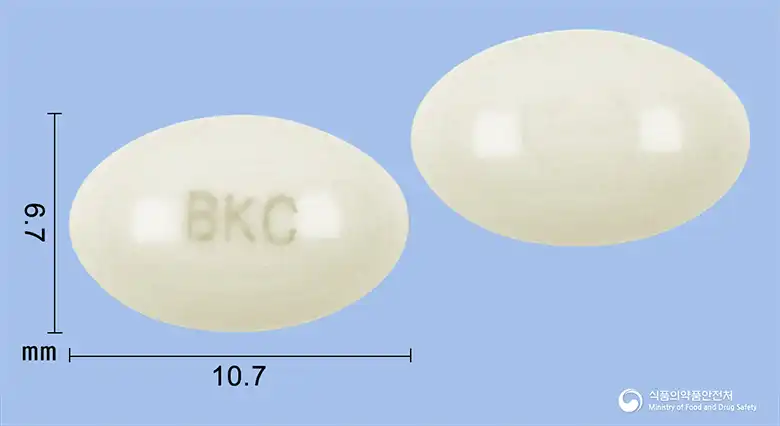
Calcitriol 0.25μg
Soft capsule · Prescription medication
Yuyu Pharmaceutical Co., Ltd.
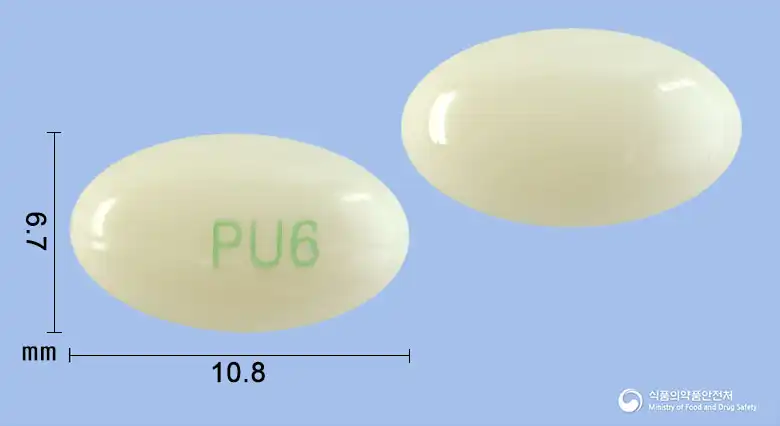
Calcitriol 0.25μg
Soft capsule · Prescription medication
Korea PMG Pharmaceutical Co., Ltd.
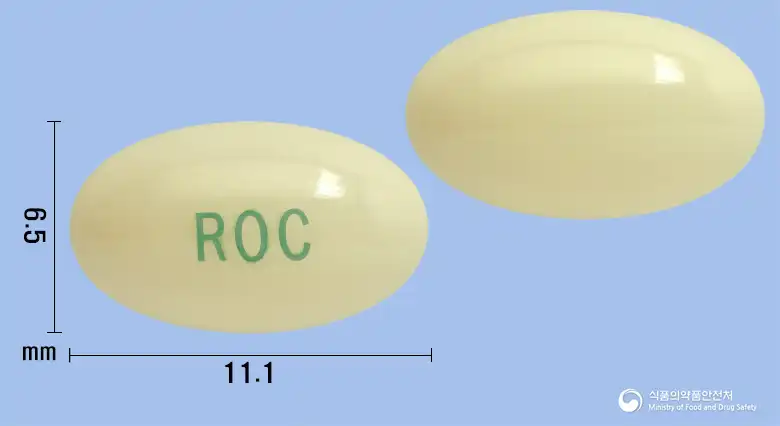
Calcitriol 0.25μg
Soft capsule · Prescription medication
Shinpoong Pharmaceutical Co., Ltd.
Calcitriol 0.25μg
Soft capsule · Prescription medication
GP Therapeutics Korea Co., Ltd.
Calcitriol 1μg
Injections · Prescription medication
Albozen Korea Co., Ltd.
Even with the same ingredient, the dose and directions can differ by strength and dosage form. Talk to a doctor or pharmacist before switching from a medication you are already taking.
No questions yet.
For anything that needs medical judgment, consult a doctor or pharmacist.
This drug information is based on data provided by the Korea Ministry of Food and Drug Safety.
Consult a doctor or pharmacist for accurate dosage, administration, and usage instructions.