
 한국어
한국어 English
 日本語
日本語 中文(简体)
Dosage form image
Viewing nowCiprex Eye Drops (Ciprofloxacin Hydrochloride Hydrate)
Ciprofloxacin Hydrochloride Hydrate 3.5mg
Eye drops · Prescription medication
Samil Pharmaceutical Co., Ltd.
MFDS item code 199504342 · Notified 1995.09.20 · Insurance code 643900811
This product's status changed to Expired on 2025.10.01. It may no longer be sold, so consult a doctor or pharmacist before taking it.
(Corneal ulcer, conjunctivitis) Treatment of infections due to specific bacteria
This medication is primarily used for the treatment of corneal ulcers and conjunctivitis caused by various types of bacteria. It is effective against corneal ulcers caused by Pseudomonas aeruginosa, Serratia species, Staphylococcus aureus, Streptococcus pneumoniae, and Staphylococcus epidermidis. It is also indicated for the treatment of conjunctivitis caused by Staphylococcus aureus, Staphylococcus epidermidis, and Streptococcus pneumoniae. Note that the efficacy studies for conjunctivitis are limited to a small number of studies. Overall, this medication is used to treat ocular infectious diseases.
Corneal ulcer: Instill 2 drops every 15 minutes for the first 6 hours on the first day, and 2 drops every 30 minutes for the remainder of the first day. On the second day, instill every hour. From day 3 to 14, instill 2 drops every 4 hours. If the treatment is not complete, it can be continued for more than 14 days. Bacterial conjunctivitis: For the first 2 days, instill every 2 hours while awake. For the next 5 days, instill 1-2 drops every 4 hours. Adjust based on symptoms.
This drug can cause rare but serious allergic reactions when first using systemic quinolone antibiotics, so caution is necessary. Symptoms such as difficulty breathing, swelling of the face or neck, hives, and severe itching may occur, and patients should notify healthcare professionals immediately if such symptoms develop. In case of a serious allergic reaction, emergency treatments such as epinephrine or oxygen administration may be needed, so be prepared for emergencies. Patients who are allergic to this drug or quinolone antibiotics should not use it under any circumstances. After instillation, there may be a burning sensation or discomfort in the eye, and there can be white deposits on the cornea or crusts on the eyelids. Various eye-related side effects, such as foreign body sensation, itching, redness, and bitter taste, may occur; if symptoms are severe, usage should be discontinued. To prevent the development of resistant bacteria, this medication should only be used for the prescribed duration as directed by a physician, and caution is advised since prolonged use may lead to fungal infections. It is advisable to avoid wearing contact lenses during treatment. There may be potential interactions with other medications, so inform your doctor especially if you are taking blood thinners, caffeine, or theophylline. Pregnant or breastfeeding women should use this medication only in special circumstances due to uncertain safety, with added caution for nursing mothers. The safety for infants under one year has not been established, so it is recommended not to use it in young children. In case of overdose, the eyes should be rinsed thoroughly with warm water, and this medication is intended for ophthalmic use only and should not be used as an injectable. Care must be taken to avoid contact between the tip of the container and the eye during instillation, and it is essential to avoid sharing the medication with others to prevent contamination. Store this medication in a tightly sealed container that is shielded from light, out of reach of children, in a cool, dry place, avoiding direct sunlight and not transferring it to other containers.
Not everyone experiences these, and they can vary from person to person.
This medication is sensitive to light, so it should be stored in a light-resistant, airtight container. Additionally, it should be stored at room temperature, maintaining a temperature between 1°C and 30°C. Storing it this way will help preserve the medication's effectiveness.
Colorless, transparent, water-soluble eye drops in a translucent plastic container
5 milliliters/bottle
Even with the same ingredient, strength, dosage form and how it is taken can differ.
Ciprofloxacin Hydrochloride Hydrate 3.5mg
Eye drops · Prescription medication
Samil Pharmaceutical Co., Ltd.
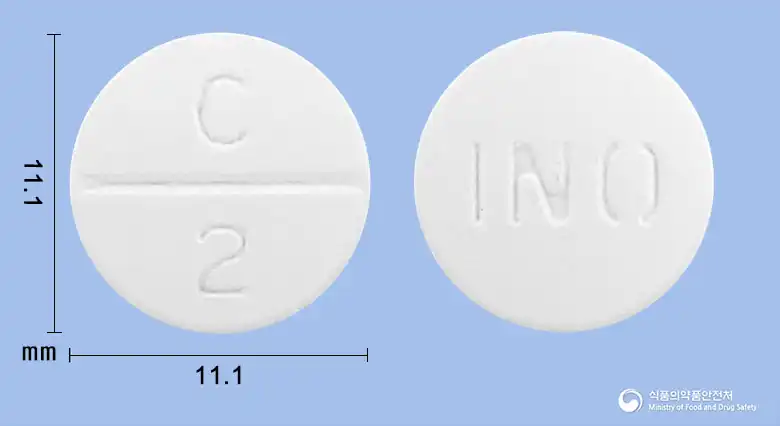
Ciprofloxacin Hydrochloride 291.5mg
Tablet · Prescription medication
HK inno.N Co., Ltd.
Ciprofloxacin Hydrochloride
Prescription medication
Dongkwang Pharmaceutical Co., Ltd.
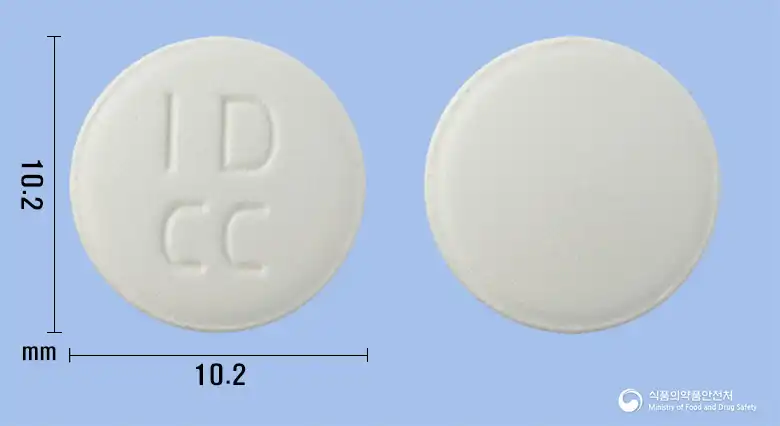
Ciprofloxacin Hydrochloride 291mg
Tablet · Prescription medication
Il Dong Pharmaceutical Co., Ltd.
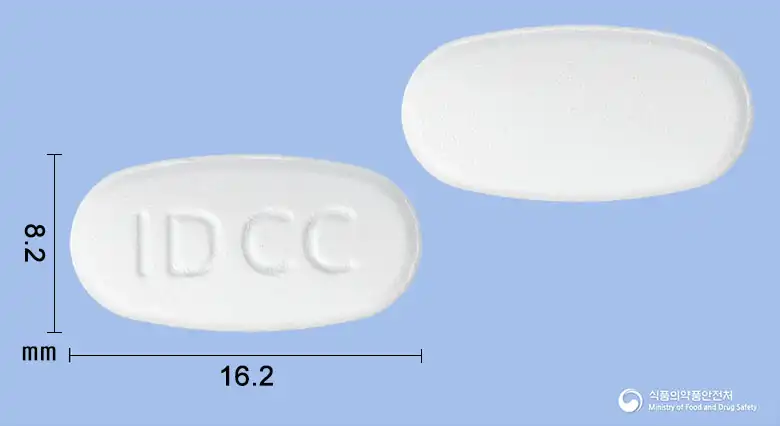
Ciprofloxacin Hydrochloride 582mg
Tablet · Prescription medication
Il Dong Pharmaceutical Co., Ltd.
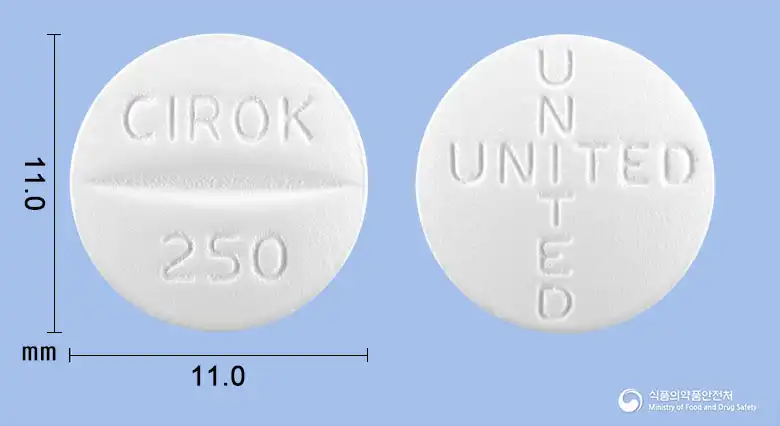
Ciprofloxacin Hydrochloride Hydrate 291mg
Tablet · Prescription medication
Korea United Pharm, Inc.
Ciprofloxacin Hydrochloride Hydrate 291mg
Tablet · Prescription medication
SK Chemicals Co., Ltd.
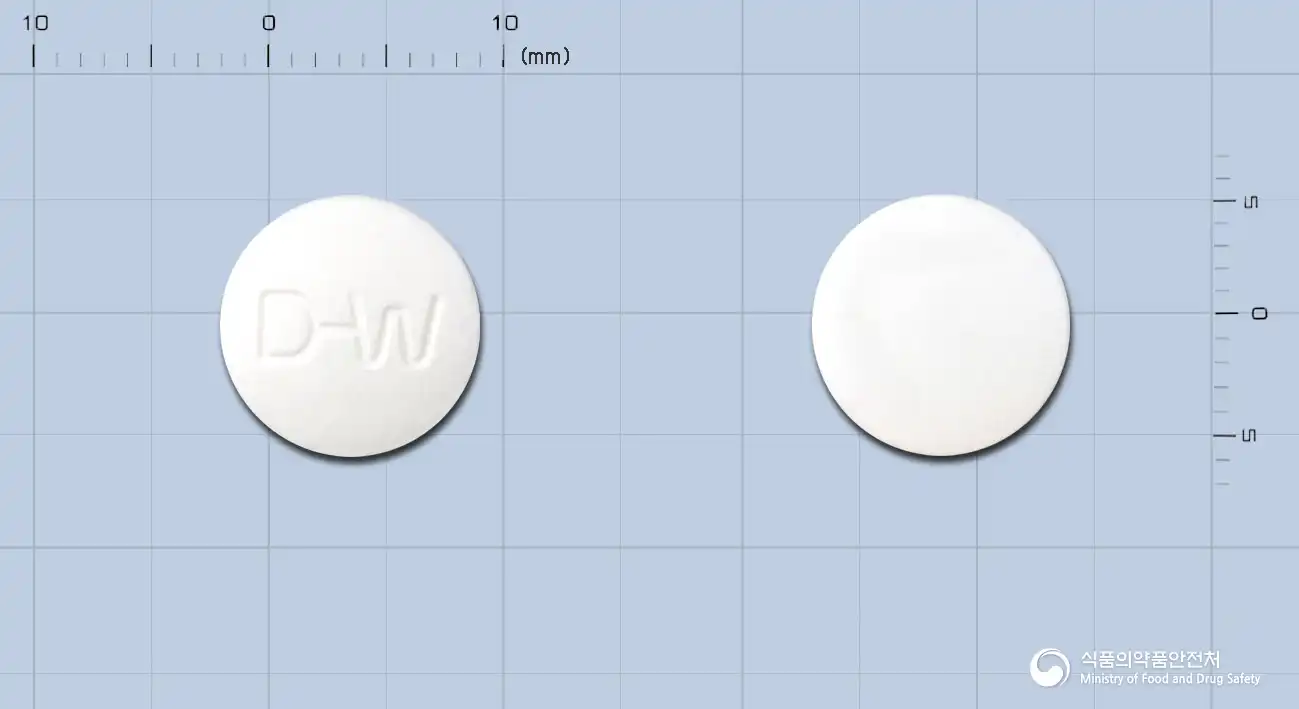
Ciprofloxacin Hydrochloride Hydrate 291mg
Tablet · Prescription medication
Donghwa Pharmaceutical Co., Ltd.
Even with the same ingredient, the dose and directions can differ by strength and dosage form. Talk to a doctor or pharmacist before switching from a medication you are already taking.
No questions yet.
For anything that needs medical judgment, consult a doctor or pharmacist.
This drug information is based on data provided by the Korea Ministry of Food and Drug Safety.
Consult a doctor or pharmacist for accurate dosage, administration, and usage instructions.