
 한국어
한국어 English
 日本語
日本語 中文(简体)
 Viewing now
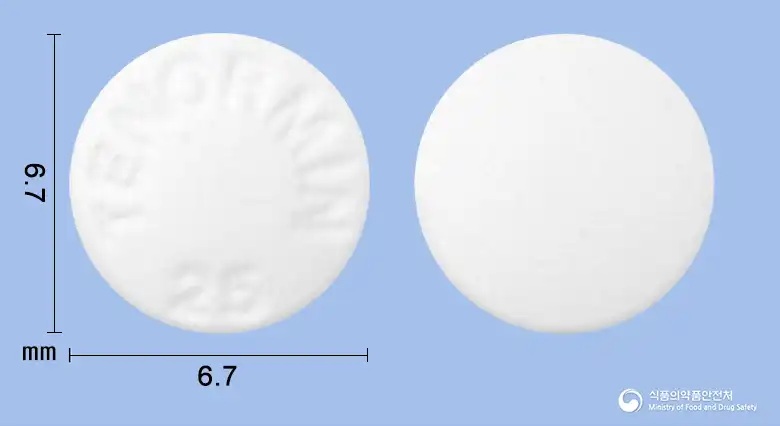
Hyundai Tenolmin Tablets 25 milligrams (Atenolol)
Atenolol 25mg
Tablet · Prescription medication
Hyundai Pharmaceutical Co., Ltd.
MFDS item code 199504318 · Notified 1995.01.26 · Insurance code 642001350
Improvement of hypertension and angina
This medication is used for hypertension and angina.
1. Hypertension: Adults should take Atenolol 50 mg once daily alone or in combination with a diuretic. If there is no effect within 1-2 weeks, the dose may be increased to 100 mg once daily. Do not exceed 100 mg per day. 2. Angina: Take 100 mg daily divided into 1-2 doses, and do not exceed 100 mg per day. 3. Patients with kidney impairment: - Creatinine clearance 15-35 ml/
This medication should not be used in certain patients. For example, individuals allergic to this medication's components or additives, those with severe asthma or chronic pulmonary diseases, and those with serious heart problems or hypotension may be at risk when taking this medication. Patients with diabetes, metabolic acidosis, or hyperthyroidism should also exercise caution. While using this medication, side effects may occur, and if symptoms such as skin rash or itching, dry eyes or vision changes, irregular heartbeat, confusion, indigestion, or shortness of breath arise, consult a doctor immediately. For long-term use, regular checks of heart function, blood pressure, liver, and kidney function are necessary, and sudden discontinuation can worsen cardiac symptoms, so it must be tapered off under a doctor's guidance. This medication may cause dizziness or drowsiness while driving or operating hazardous machinery, so caution is advised. Pregnant or breastfeeding women should consult a doctor as this medication may affect the fetus or newborn. Safety has not been sufficiently established for children, and elderly patients should start with a low dose and be closely monitored. Moreover, there may be interactions with other medications, so inform healthcare providers of any other medications you are taking, especially antihypertensives, diabetic medications, heart medications, and anesthetics. In case of overdose, severe heart problems, difficulty breathing, or hypoglycemia may occur, requiring immediate emergency treatment. This medication should be kept out of reach of children and stored away from high temperatures (above 25 degrees Celsius).
Hives, chest tightness, difficulty breathing, bronchospasm, atrioventricular block, sinoatrial block, asthma, liver abnormalities due to intrahepatic cholestasis (symptoms of jaundice), purpura, thrombocytopenia, laryngeal spasm, respiratory distress, heart failure, numbness, edema, peripheral edema, palpitations, heart failure, symptoms due to decreased heart rate, acute heart failure, hypotension, asthma attacks, severe allergic reactions, severe skin reactions, respiratory issues, severe kidney
Not everyone experiences these, and they can vary from person to person.
This medication should be stored in a tightly closed container to avoid exposure to air or moisture and kept at a temperature between 1°C and 30°C at room temperature. This storage will maintain the medication's effectiveness and ensure safe use.
This medication is a white, round film-coated tablet.
30 tablets/bottle, 100 tablets/bottle
Even with the same ingredient, strength, dosage form and how it is taken can differ.
Viewing nowAtenolol 25mg
Tablet · Prescription medication
Hyundai Pharmaceutical Co., Ltd.
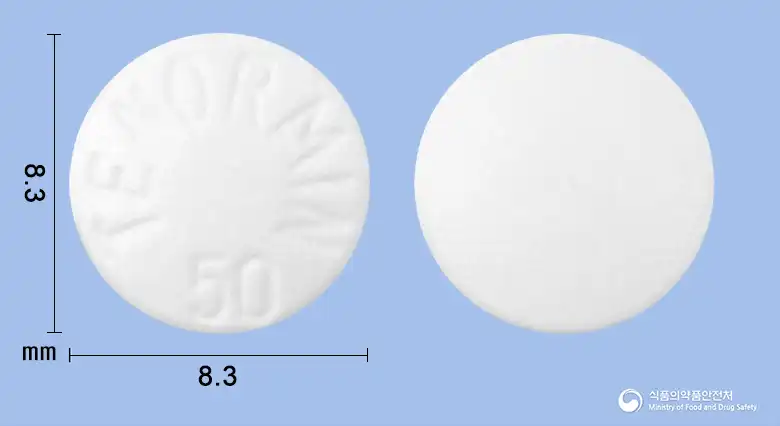
Atenolol 50mg
Tablet · Prescription medication
Hyundai Pharmaceutical Co., Ltd.
Atenolol
Prescription medication
Ildong Pharmaceutical Co., Ltd.
Atenolol 50mg
Prescription medication
Samjin Pharmaceutical Co., Ltd.
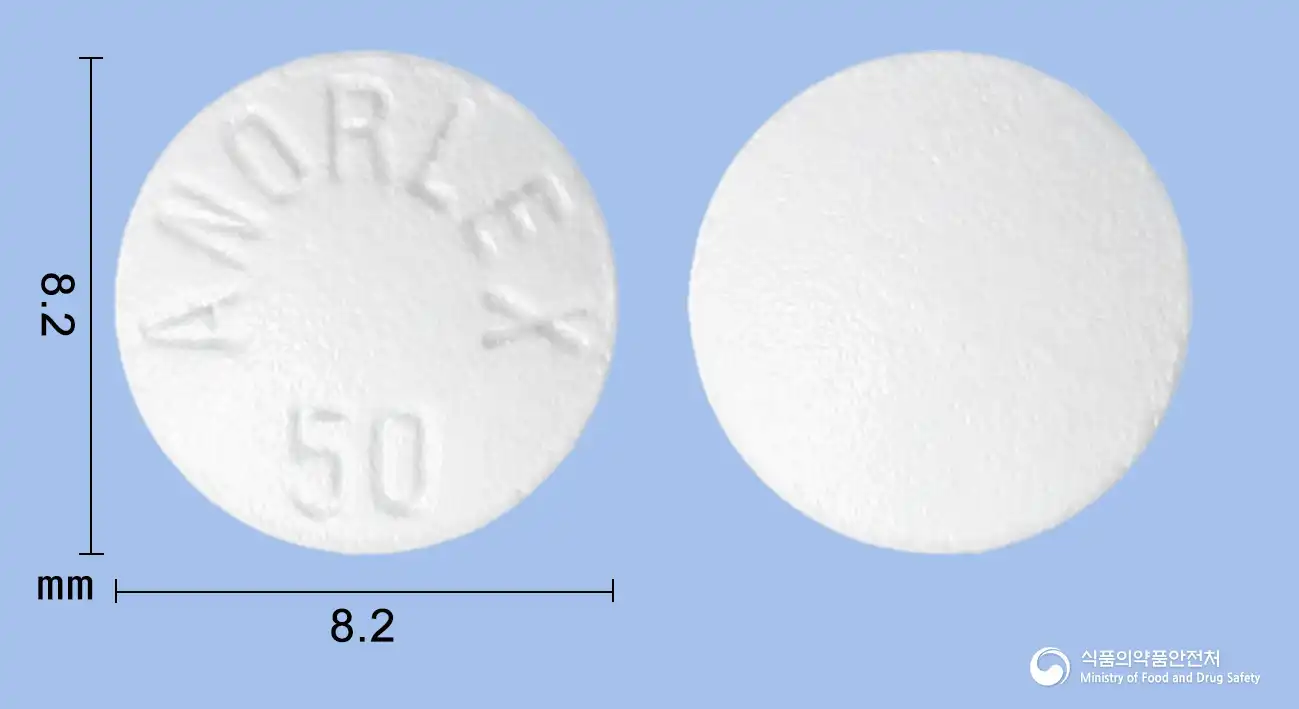
Atenolol 50mg
Tablet · Prescription medication
(CMG Pharmaceutical Co., Ltd.)
Atenolol
Prescription medication
Korea United Pharmaceutical Co., Ltd.
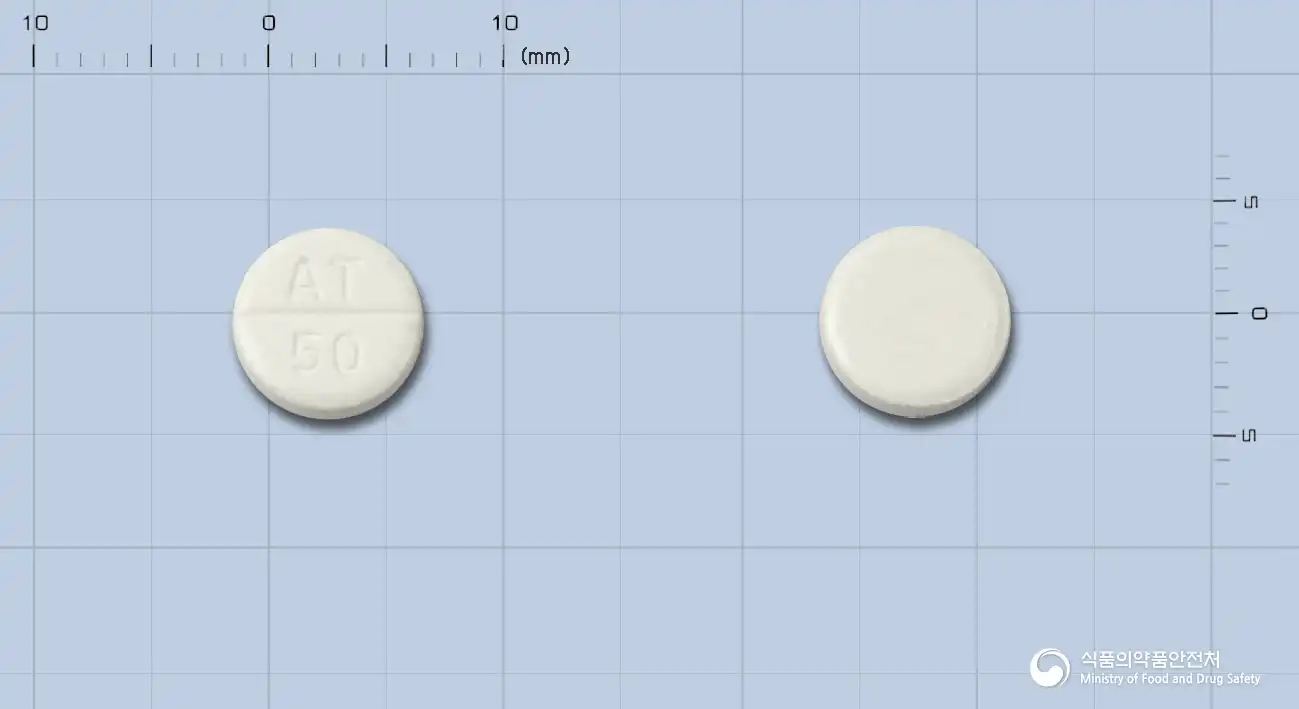
Atenolol 50mg
Tablet · Prescription medication
Daewoo Pharmaceutical Co., Ltd.
Atenolol
Prescription medication
Daewoong Pharmaceutical Co., Ltd.
Even with the same ingredient, the dose and directions can differ by strength and dosage form. Talk to a doctor or pharmacist before switching from a medication you are already taking.
No questions yet.
For anything that needs medical judgment, consult a doctor or pharmacist.
This drug information is based on data provided by the Korea Ministry of Food and Drug Safety.
Consult a doctor or pharmacist for accurate dosage, administration, and usage instructions.