한국어
 English
 日本語
 中文(简体)
 Viewing now
Bredinin 50 mg (Mycophenolate Mofetil)
Mizoribine 50mg
Tablet · Prescription medication
Jongkundang Co., Ltd.
MFDS item code 199504101 · Approved 1995.05.03 · Insurance code 643301030
Prevention of kidney transplant rejection; treatment of lupus nephritis and chronic rheumatoid arthritis
This medicine is used to prevent rejection that may occur after kidney transplantation. It is also effective in cases where persistent proteinuria, nephrotic syndrome, or renal function deterioration occurs due to lupus nephritis, which cannot be treated with corticosteroids alone. It helps patients with chronic rheumatoid arthritis who do not achieve sufficient effects with a combination of non-steroidal anti-inflammatory drugs and antirheumatic drugs. Hence, it is used to improve symptoms in the treatment of kidney transplantation, lupus nephritis, and chronic rheumatoid arthritis.
1. Kidney transplantation Administer mizoribine orally in 1~3 divided doses, at an initial dose of 2~3 mg/kg of body weight per day and a maintenance dose of 1~3 mg/kg of body weight per day. Since the tolerated and effective doses of this medicine vary among patients, exercise particular caution when adjusting the dose to achieve optimal therapeutic effects. 2. Lupus nephritis Adults: Administer 50 mg of this medicine orally per dose, 3 times daily. Consider dose reduction according to the degree of renal function. In addition, if corticosteroids are being given as maintenance therapy before this medicine is started, add this medicine to the maintenance dose. Reduce the dose of corticosteroids appropriately according to symptoms. 3. Chronic rheumatoid arthritis Adults: Administer 50 mg of this medicine orally per dose, 3 times daily. The dose may be adjusted appropriately according to symptoms, and dose reduction should be considered according to the degree of renal function.
This medication should not be used in certain patients. Patients who have had severe allergic reactions to this medicine or its components, those with significantly low white blood cell counts, and women who are pregnant or may become pregnant should not take this medication. Care should be taken when using this medication. For patients with weakened bone marrow function, this medicine may further suppress bone marrow activity, increasing the risk of serious infections or bleeding. Patients with infections or a tendency to bleed may also experience worsened conditions when using this drug; hence, careful monitoring is required. In patients with reduced kidney function, this medicine may not be excreted well from the body, necessitating dosage adjustments. When used in children or women of reproductive age, special attention should be given to the possibility of adverse reactions, and the effects on the reproductive system should also be considered. This drug can cause a variety of adverse reactions, including decreased blood cell counts, gastrointestinal issues, liver function abnormalities, skin rashes or severe skin disorders, renal function abnormalities, metabolic disorders, and exacerbation of infections. If any adverse symptoms occur, contact a healthcare professional immediately to either discontinue use or receive appropriate interventions. Additionally, using this drug alongside live vaccines could increase the risk of infection due to the vaccine, so it should not be taken during live vaccine administration. Caution should also be exercised when using this drug in combination with some inactivated vaccines, as it may reduce the efficacy of the vaccine. Since this drug is primarily excreted through the kidneys, patients with impaired kidney function should adjust the dosage and closely monitor their condition through regular blood tests and liver and kidney function tests. Women who are pregnant should not take this drug as it may harm the fetus, and when breastfeeding, it is safer to discontinue breastfeeding. The safety of this drug in children has not been sufficiently confirmed, so caution should be exercised for any adverse reactions when administering. Elderly patients are likely to have reduced kidney function, so dosages should be decreased and administered with caution. This drug should be taken out of the PTP packaging to be ingested, and after opening, it should be stored to avoid moisture. Store in a place out of reach of children, and avoid transferring to other containers.
Not everyone experiences these, and they can vary from person to person.
This drug is sensitive to air and moisture, so it should be stored in a tightly closed container. It is important to keep it at room temperature and avoid humid places.
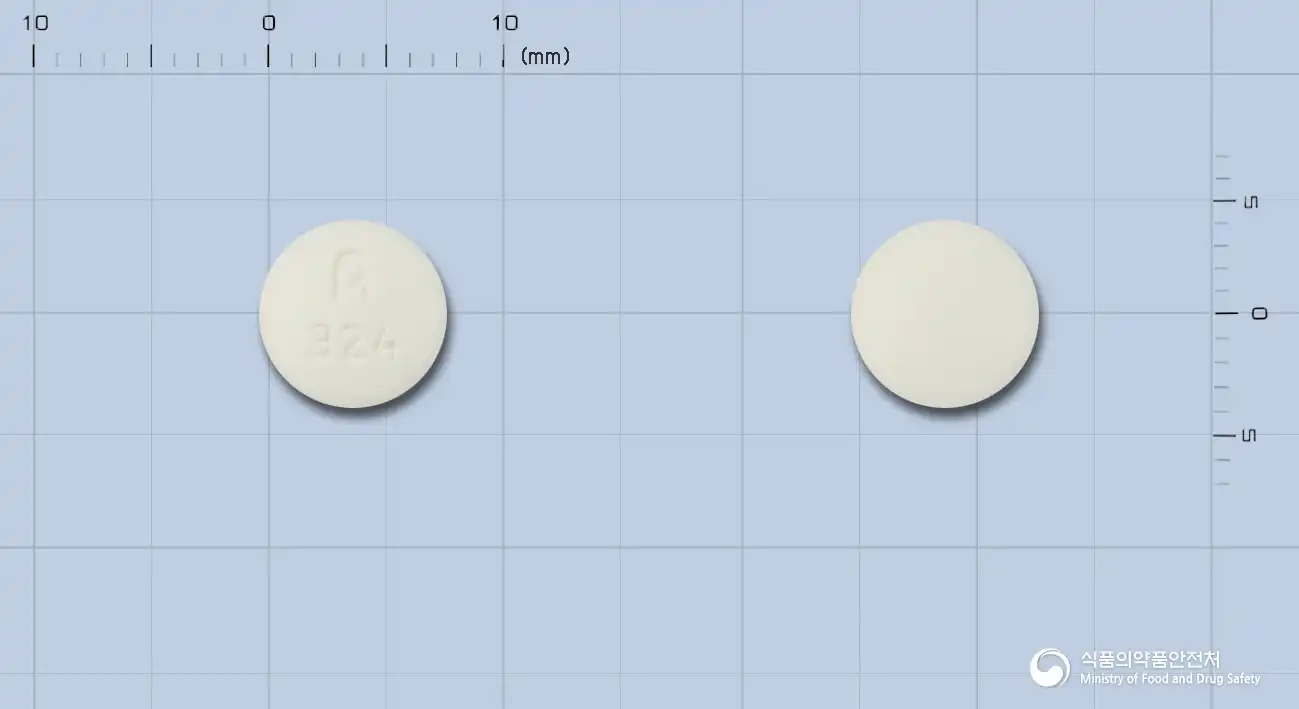
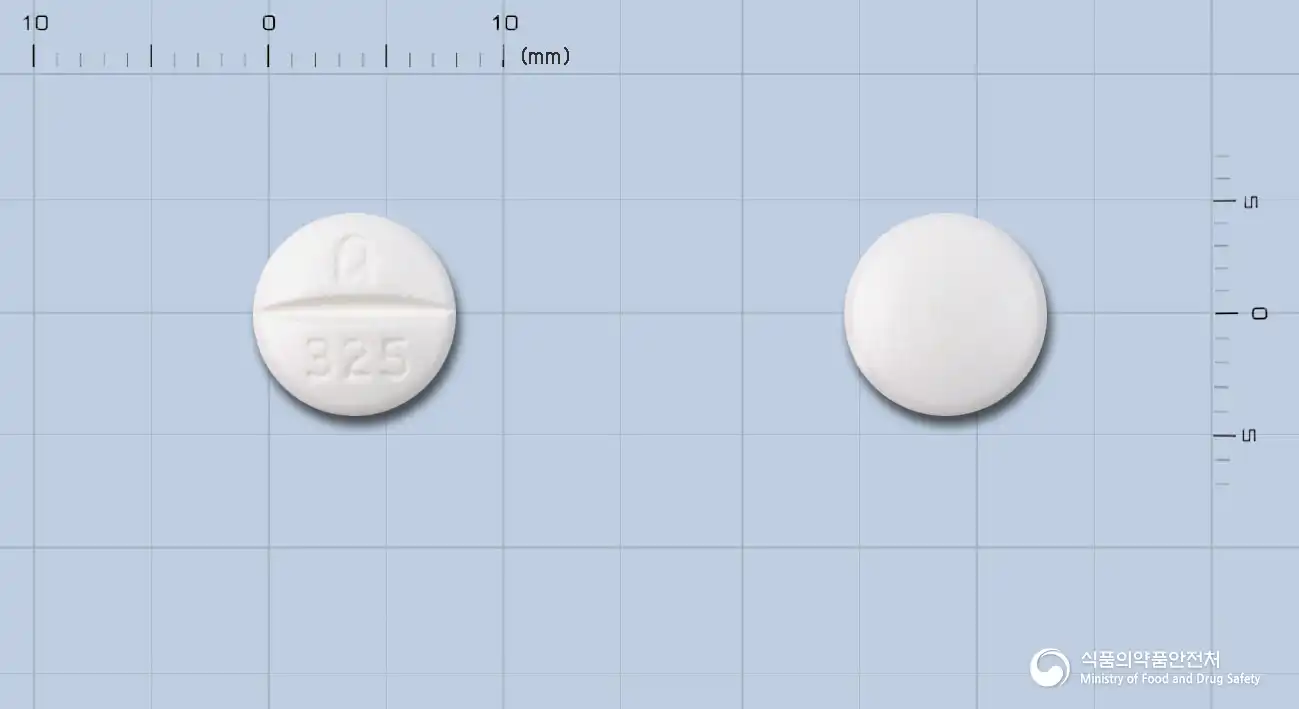
White round film-coated tablet
100 tablets - 10 tablets/Blister, 100 tablets - 10 Blisters/Box
Even with the same ingredient, strength, dosage form and how it is taken can differ.
Even with the same ingredient, the dose and directions can differ by strength and dosage form. Talk to a doctor or pharmacist before switching from a medication you are already taking.
No questions yet.
For anything that needs medical judgment, consult a doctor or pharmacist.
This drug information is based on data provided by the Korea Ministry of Food and Drug Safety.
Consult a doctor or pharmacist for accurate dosage, administration, and usage instructions.